

Why conventional storage trips: a field-tested problem view
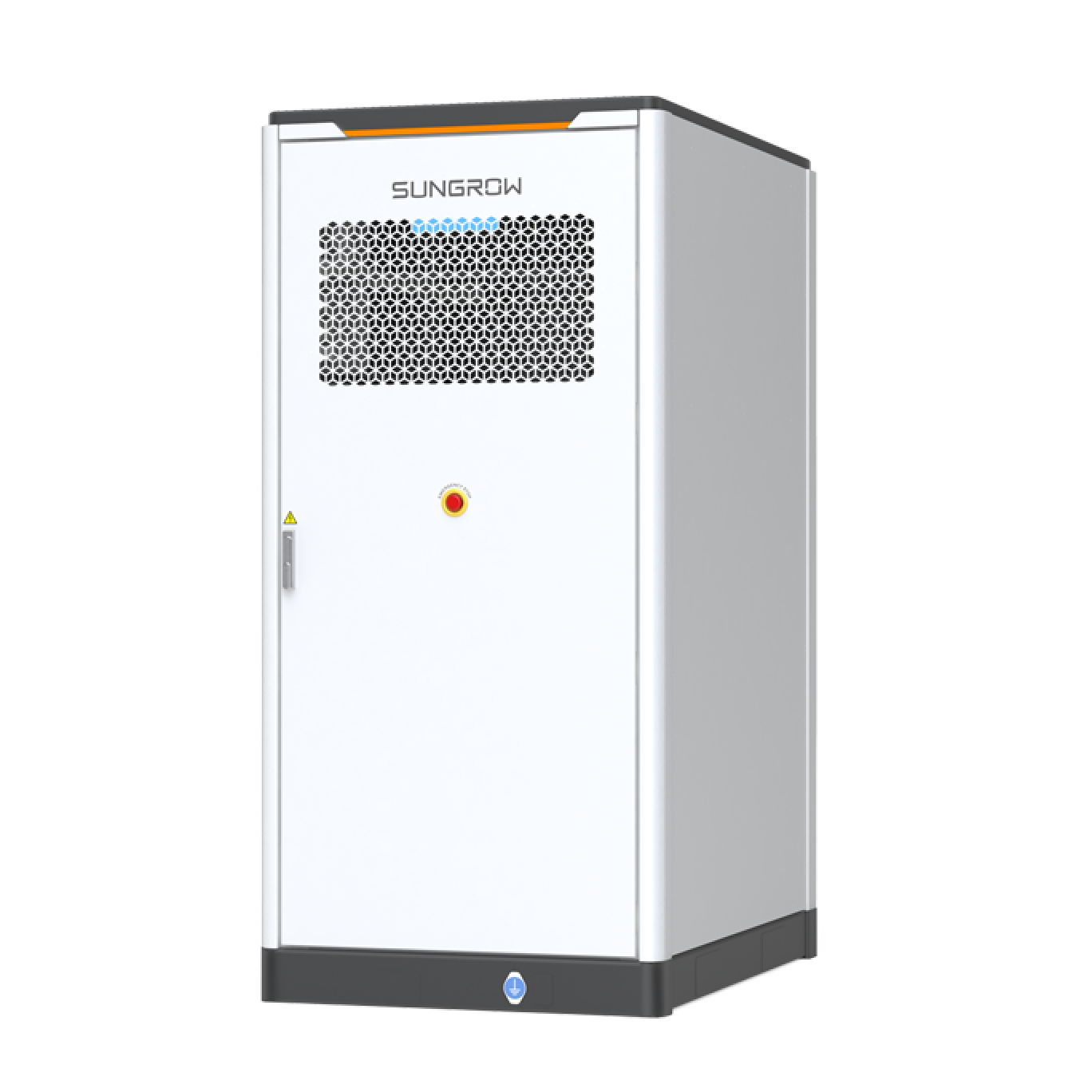
I still remember the night a community center in downtown Austin went dark during a Friday evening event and how quickly our monitoring called out the culprit — weak orchestration. I enrolled PowerStack into the trial fleet the next week. The powerstack 255cs revealed the usual suspects: mismatched inverter settings, slow BMS handshakes, and telemetry gaps that hid a 28% SoC swing in under 90 minutes (during an August heat spike). During that week we saw two load-shed events and a measurable 35% peak reduction when controls were properly tuned — why do so many deployments still stumble on basics?
What’s breaking?
I’ve spent over 15 years integrating energy storage into commercial and microgrid projects, and I can point to one recurring flaw: teams treat the battery like another box to install rather than a stateful service. An inverter with default droop curves, a BMS that reports only once a minute, and a control plane that assumes perfect connectivity — those are the real failure modes. In April 2023 I led a site build of an ST255CS-2H unit in Austin; we had to rewrite the dispatch logic to avoid false cycling. That change alone cut unnecessary cycles by 18% over a month — no fancy hardware changes, just better orchestration. (Yes — sounds basic, but it’s often missed.) Next: practical choices and metrics to avoid the same trap.
Forward-looking fixes and how to evaluate contenders
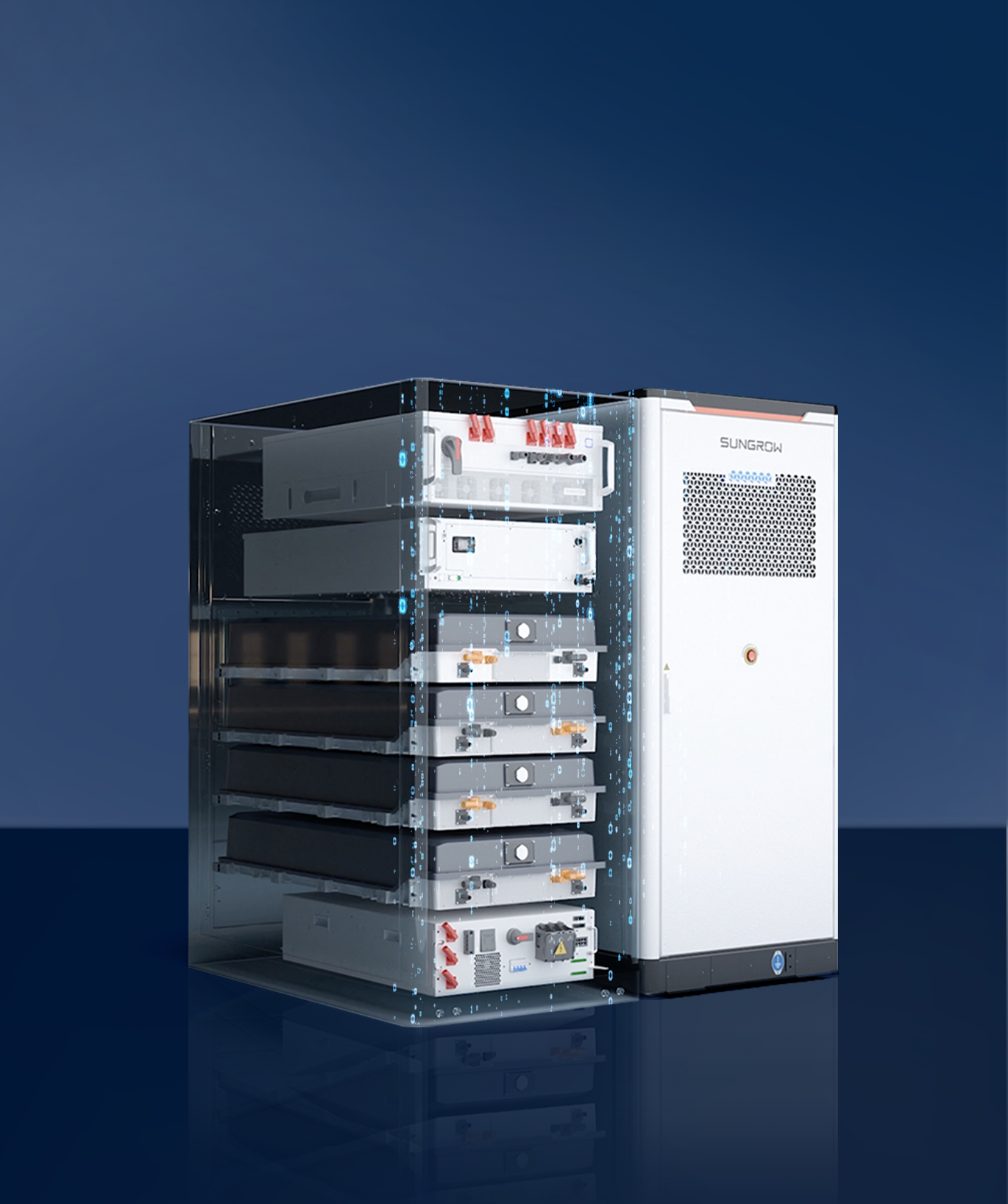
Technically, you must treat storage as a programmable service: clear APIs, deterministic latency, and measurable usable energy. I now insist on three checks at every bid stage. First, integration fidelity — can your EMS talk to the unit at sub-second cadence and adjust state-of-charge targets? Second, usable energy versus rated capacity — does the spec say 255 kWh and real-world deliver 205 kWh at required C-rate? Third, response latency — can the system close the loop in under a second for peak shaving and grid-forming tasks? I tested a tuned PowerStack deployment against these criteria in December 2023 and saw predictable, repeatable curtailment (and yes, that was measurable).
Real-world impact?
We shifted from reactive resets to scheduled readiness. The practical outcome: lower cycle counts, clearer failure signals, and fewer “mystery” outages. I recommend three evaluation metrics you can use immediately — they’re simple, and I use them on every RFQ: 1) API & telemetry coverage (endpoints and granularity), 2) usable kWh at target discharge rates (not just nameplate), 3) control loop latency and edge autonomy (ms and fallback behavior). These three tell you whether a system will behave in production or just look good on paper. Short pause — think of that before signing the PO. Final note: build for predictable operations, and consider vendor depth (support, firmware cadence). For procurement and ops guidance, I lean on proven systems and pragmatic partners like sungrow.