

Preparing your vehicle properly before shipping can make the entire process smoother. Whether you are moving across the country, buying a vehicle from another state, or sending a car to a new location, good preparation helps protect your vehicle and makes pickup easier. With nationwide auto transport, most of the work happens before the carrier arrives, so taking a little time to prepare your car can prevent unnecessary problems later.
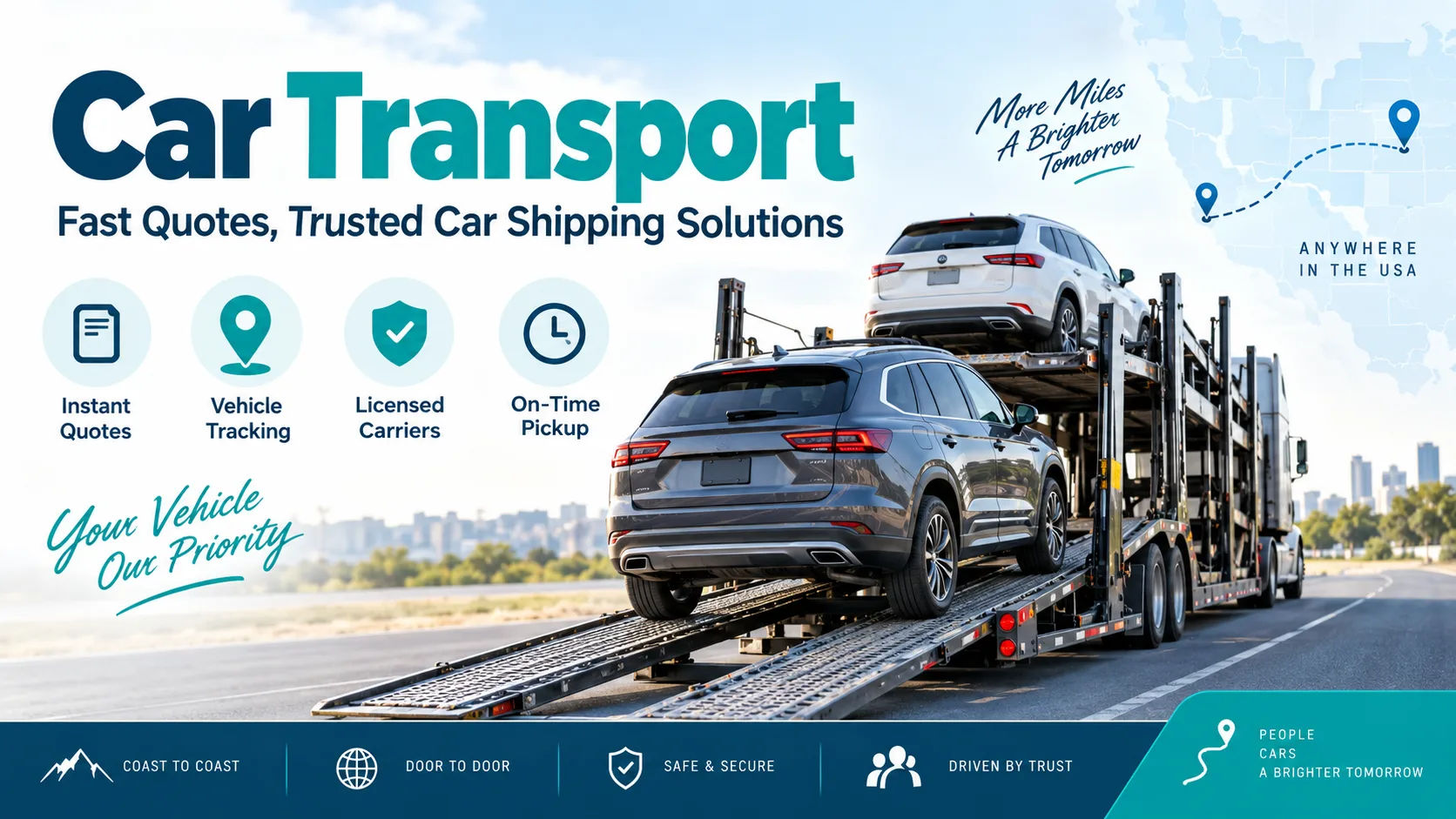
Open car transport is one of the most common and affordable ways to ship a vehicle. Your car is loaded onto an open carrier along with several other vehicles. Although open transport exposes the vehicle to normal outdoor conditions, professional carriers use secure loading and tie-down procedures to move vehicles safely over long distances.
The key is knowing what you should remove, inspect, document, and check before handing over your keys.
How Open Car Transport Works
Before preparing your vehicle, it helps to understand what will happen during transportation.
An open carrier typically has multiple levels or rows where vehicles are positioned and secured. Your car will be driven onto the trailer or loaded using appropriate equipment, depending on its condition and design.
During the journey, the vehicle may encounter rain, dust, road debris, changing temperatures, and other normal highway conditions. This is one reason open transport is generally less expensive than enclosed transportation.
That does not mean your car is left unsecured. Carriers use straps, chains, wheel restraints, and other appropriate equipment to keep vehicles in place.
Your responsibility is mainly to make sure the vehicle is in suitable condition for loading and that you have properly documented its condition before departure.
Clean the Exterior Before Pickup
One of the simplest preparation steps is washing the exterior of your car.
A clean vehicle makes it much easier to identify scratches, dents, chips, paint damage, and other imperfections. Dirt can hide small areas of damage that may become important when the vehicle is inspected at delivery.
You do not necessarily need an expensive professional detailing service. A normal exterior wash is usually enough.
Pay particular attention to the bumpers, doors, hood, roof, trunk, and lower body panels.
After washing the car, inspect it under good lighting. If possible, inspect it during daylight because natural light makes small scratches and dents easier to see.
Take Detailed Photos of the Vehicle
Photographs are one of the most important parts of preparing your vehicle.
Take clear pictures of every side of the car before the carrier arrives. Photograph the front, rear, driver's side, passenger side, roof, wheels, windows, and other visible areas.
Take closer photographs of existing scratches, dents, paint chips, cracks, or other damage.
It is also useful to take photographs of the interior, dashboard, odometer, and any unusual condition that could be relevant later.
Make sure the images are clear and preferably include the date and time in your records. Keep the photographs until the vehicle has been delivered and inspected.
This documentation gives you a useful reference when comparing the vehicle's condition at pickup and delivery.
Remove Personal Belongings
Do not treat your vehicle like a suitcase.
Remove personal belongings from the passenger compartment, trunk, glove compartment, center console, and other storage areas before transportation.
Items such as electronics, documents, clothing, tools, jewelry, and other valuables should not be left inside the vehicle.
Personal belongings can move around during transportation and potentially damage the interior. They can also add unnecessary weight.
Many transport companies have specific rules about items left inside a vehicle. Some may allow a small amount of personal property, while others may prohibit it completely.
Always check the carrier's policy before leaving anything in the car.
Remove Important Documents and Valuables
Before handing over the vehicle, remove registration documents, insurance papers, receipts, financial records, spare keys, and other important paperwork unless the carrier specifically needs something for the shipment.
You should also remove valuables from hidden compartments.
A vehicle may appear empty while still containing expensive items in the trunk or under seats. Removing everything important eliminates unnecessary risk.
Keep your personal documents with you rather than inside the vehicle.
Check the Fuel Level
Your car generally does not need a full tank of fuel for transportation.
In fact, carriers commonly prefer vehicles to have only a limited amount of fuel. A nearly empty or low fuel tank reduces unnecessary weight and provides enough fuel for loading, unloading, and basic movement.
The exact fuel requirement can vary by carrier, so confirm the company's policy before pickup.
Do not intentionally run the tank completely dry if the carrier needs the vehicle driven during loading or delivery.
The goal is simply to avoid transporting a heavy amount of unnecessary fuel.
Check for Leaks
Inspect the vehicle for fluid leaks before transportation.
Look underneath the engine compartment and around areas where fluid may collect. Pay attention to oil, coolant, transmission fluid, brake fluid, and other visible leaks.
A significant leak should be addressed before the vehicle is loaded.
Tell the carrier about any mechanical problem that could affect loading, unloading, or movement.
Being honest about the vehicle's condition helps the driver prepare appropriate equipment and reduces the chance of surprises at pickup.
Check the Battery
A weak or dead battery can create problems during vehicle loading and delivery.
Make sure the battery is properly secured and has enough charge to start the vehicle if it needs to be driven.
If your battery has known problems, tell the transport company before pickup.
Electric vehicles and hybrid vehicles can have additional transportation requirements depending on the carrier and vehicle model. Follow the manufacturer's recommendations and the carrier's instructions.
Check Tire Pressure
Inspect all four tires before transportation.
Correct tire pressure helps with loading, unloading, and securing the vehicle. Also inspect the spare tire if your vehicle has one.
A flat tire can make loading significantly more difficult, especially if the vehicle cannot be driven normally.
Do not assume that recently serviced tires are still at the correct pressure. Temperature changes can affect pressure, so checking them before pickup is worthwhile.
Fold or Remove Loose Accessories
Loose exterior accessories can create problems during open transportation.
Depending on the vehicle, consider folding or removing items such as antennas, roof accessories, removable spoilers, bike racks, or other detachable equipment.
Do not remove factory-installed components unless necessary.
The important point is to identify anything that could become loose, damaged, or exposed to wind during highway transportation.
If you are uncertain about a particular accessory, ask the carrier before pickup.
Disable or Secure Alarms
A vehicle alarm that activates repeatedly during transportation can create an unnecessary problem.
If your car has a security alarm, determine whether it can be disabled before shipping.
If the alarm cannot be completely disabled, tell the driver how to deactivate it.
This is particularly important because the carrier may need to move the vehicle several times during loading, transportation, and delivery.
Keep any required alarm remote or key with the appropriate vehicle keys.
Leave the Keys With the Carrier
The carrier normally needs the vehicle keys to load, unload, and move the car when necessary.
Provide the required keys and keep your other spare keys with you.
Do not give the carrier every key you own. If your vehicle uses a key fob, smart key, or special key system, explain its basic operation to the driver.
If there are unusual procedures for starting or operating the vehicle, communicate those instructions clearly.
Check Windows, Doors, and the Trunk
Before pickup, make sure all doors, windows, the trunk, hood, and other movable components close properly.
Windows should be fully closed during transportation.
Check that doors latch securely and that nothing is preventing the trunk or hood from closing.
If something does not work properly, inform the carrier before loading.
Small details can become significant when the driver is preparing several vehicles for transport.
Disable Toll Tags and Parking Devices
Electronic toll tags can sometimes register charges while a vehicle is being transported.
If your vehicle has a toll transponder, parking device, or similar electronic tag, check whether it should be removed or disabled during shipping.
This is an easy step to overlook.
If the device remains active, it may potentially register toll activity even though you are not personally driving the vehicle.
The exact procedure depends on the toll provider, so check its instructions if necessary.
Prepare the Necessary Vehicle Information
Keep important vehicle and shipment information accessible.
This may include the vehicle identification number, registration information, insurance details, pickup information, delivery information, and transport company's contact details.
You should also have the carrier's phone number available.
If another person will handle pickup or delivery for you, make sure that person has the necessary information and understands the process.
Good communication can make the pickup considerably easier.
Check for Existing Damage With the Driver
Before the vehicle is loaded, the driver will normally inspect its condition.
Take your time during this process.
Compare the vehicle against the photographs you took earlier. Look for dents, scratches, chips, cracked glass, missing parts, and other visible conditions.
Make sure existing damage is properly recorded on the applicable vehicle inspection or condition report.
Do not rush through this step simply because the driver is busy.
The condition report is important because it establishes what the vehicle looked like before transportation.
Remove or Secure Custom Items
Modified vehicles sometimes require additional preparation.
Lowered suspension, oversized wheels, custom spoilers, wide body kits, nonstandard exhaust systems, and other modifications can affect loading.
Tell the carrier about these modifications before pickup.
A vehicle with very low ground clearance may require special loading equipment or a different approach.
Similarly, oversized wheels or unusual bodywork may need additional attention when securing the vehicle.
Do not wait until the driver arrives to mention major modifications.
Make Sure the Car Can Be Loaded
A vehicle that runs normally is usually easier to transport than one that cannot move.
If the car is inoperable, has steering problems, has a dead battery, or cannot roll freely, tell the carrier in advance.
Special equipment may be required for an inoperable vehicle.
This can affect the price, loading method, and scheduling.
Providing accurate information about the vehicle's condition helps the carrier arrive prepared.
Prepare Electric and Specialty Vehicles Properly
Electric vehicles, hybrids, classic cars, luxury vehicles, and modified vehicles may have special requirements.
For electric vehicles, check the manufacturer's transportation recommendations and ask the carrier whether there are specific battery or charging requirements.
Classic vehicles may require additional care because of their age, condition, or mechanical design.
Luxury vehicles can have low ground clearance or sensitive exterior components.
The safest approach is to provide accurate vehicle details before booking and follow the carrier's instructions.
Do a Final Inspection Before the Carrier Arrives
On pickup day, conduct one final walk-around.
Check that the vehicle is clean, personal belongings have been removed, windows and doors are closed, the fuel level meets the carrier's requirements, and loose accessories have been secured or removed.
Make sure your documentation and photographs are complete.
Have the keys ready.
This final inspection should only take a few minutes, but it can prevent avoidable complications.
What You Should Not Do Before Open Transport
There are several common mistakes worth avoiding.
Do not fill the vehicle with personal belongings without checking the carrier's rules.
Do not leave valuables inside.
Do not hide mechanical problems from the carrier.
Do not assume that every modification is acceptable without notification.
Do not skip the pre-transport inspection.
Do not throw away your photographs immediately after pickup.
Most importantly, do not assume that a professional carrier can automatically handle every unusual vehicle condition without advance notice.
Communication is part of vehicle preparation.
Open Transport vs. Enclosed Transport
Open transport is popular because it is generally more affordable and widely available.
The vehicle travels on an open trailer, meaning it is exposed to normal outdoor conditions. For many everyday vehicles, this is a practical choice.
Enclosed transport provides greater protection from weather and road debris. It is often considered for high-value, collectible, exotic, or particularly sensitive vehicles.
The right option depends on your vehicle, budget, and tolerance for normal exposure during transportation.
For an ordinary daily driver, open transport can be a sensible balance between cost and convenience.
What Happens After Delivery?
Your preparation does not end when the vehicle arrives.
Inspect the car carefully before accepting delivery.
Compare its condition with the photographs and the original inspection report.
Look at the body panels, wheels, windows, mirrors, bumpers, and other visible areas. Check the interior and confirm that the vehicle starts and operates as expected when appropriate.
If you notice an issue, document it immediately and follow the carrier's claims procedure.
Keeping your original photographs and shipping paperwork makes this process easier.
C0nclusion
Preparing a car for open transportation is mostly about reducing unnecessary risks and making the vehicle's condition clear before it leaves your hands. Cleaning the exterior, taking detailed photographs, removing personal belongings, checking the tires and battery, securing loose accessories, and communicating mechanical problems are all simple steps that can make a significant difference.
The preparation process becomes especially important when using nationwide auto transport, because your vehicle may travel hundreds or thousands of miles before reaching its destination. You want the carrier to have accurate information about the vehicle and you want a clear record of its condition before the journey begins.
Open transport remains a practical option for many vehicle owners. It is widely available, generally economical, and suitable for a large range of standard vehicles. While your car will be exposed to ordinary outdoor conditions, proper preparation and professional handling can make the process straightforward.
The best approach is not complicated. Start preparing several days before pickup rather than waiting until the driver calls. Remove valuables, inspect the vehicle, take photographs, check the basic mechanical condition, and confirm the carrier's specific requirements.
When pickup day arrives, review the vehicle with the driver and make sure the condition report accurately reflects its existing condition. At delivery, perform the same careful inspection before considering the shipment complete.
A few minutes of preparation can save hours of frustration later. More importantly, it gives you confidence that you have done your part to make the transportation process clear, organized, and as smooth as possible.