

Truck art is one of the most colorful and expressive art forms in South Asia, especially in Pakistan. Known for its bright colors, detailed patterns, flowers, birds, poetry, and decorative symbols, this traditional craft has become popular beyond trucks and buses. Today, truck art is also used to create unique handmade home decor items that bring culture, creativity, and personality into living spaces.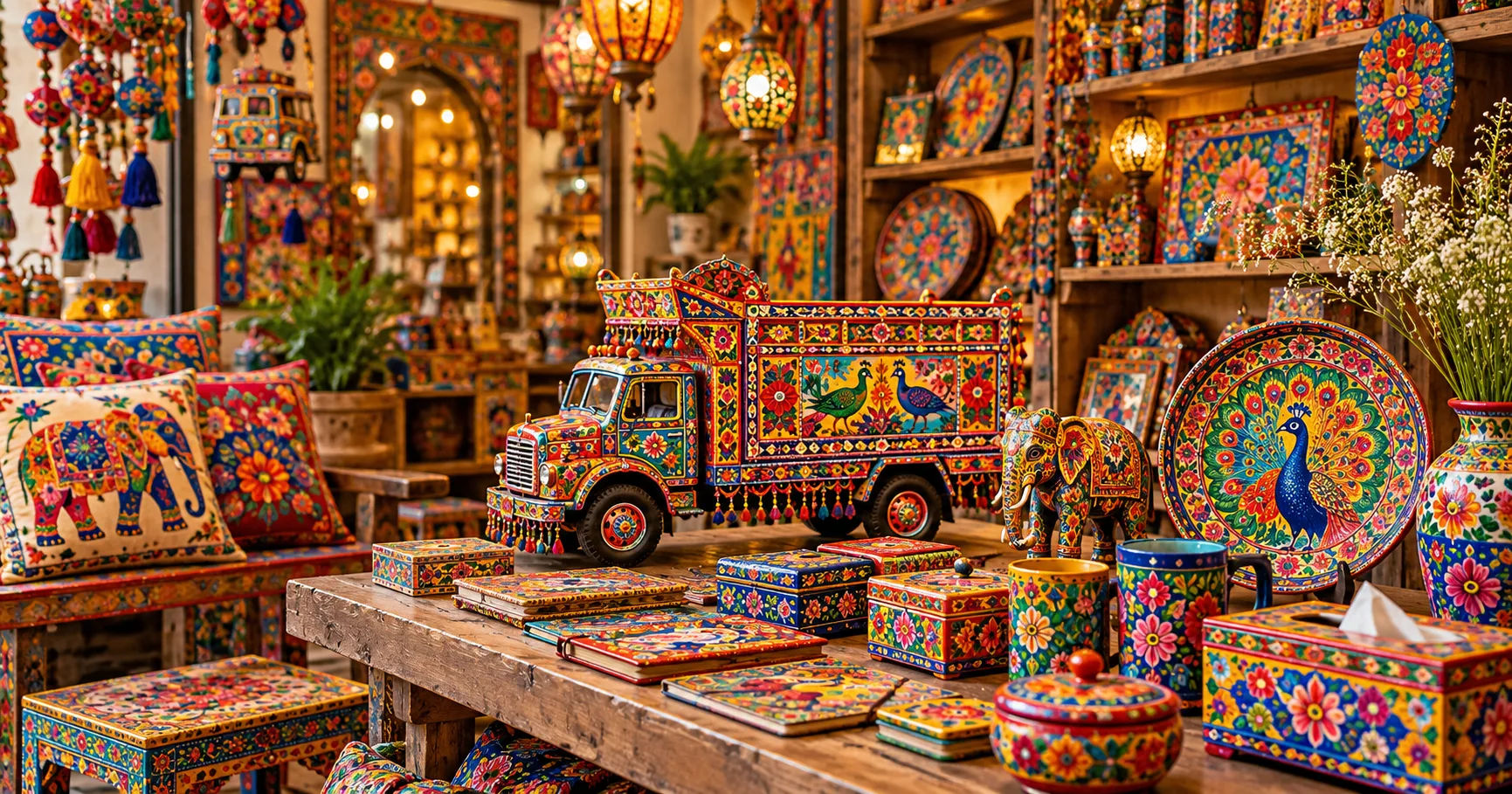
From hand-painted wooden trays to decorative mirrors, wall hangings, lamps, and furniture, this art form offers countless ways to transform ordinary household objects into eye-catching pieces. It combines traditional craftsmanship with modern interior design, making it suitable for homes that appreciate both cultural heritage and artistic expression.
Handmade decor inspired by this tradition is more than a decorative choice. It supports artisans, preserves cultural skills, and encourages people to appreciate the beauty of handmade products. Whether someone prefers a traditional Pakistani interior or a contemporary home with colorful accents, these decorative pieces can add warmth and individuality.
Truck Art and Its Cultural Importance
Truck art is a traditional decorative style widely associated with Pakistan. Trucks are decorated with elaborate paintings, colorful motifs, ornamental borders, reflective materials, and sometimes poetry or meaningful messages. Each vehicle can become a moving display of artistic expression.
Artists often use bright reds, blues, greens, yellows, and oranges. They combine these colors with floral arrangements, landscapes, animals, geometric patterns, and symbolic imagery.
Although the decoration of commercial vehicles is its most recognizable form, the techniques and visual language of this art have gradually expanded into fashion, accessories, gifts, and home furnishings.
Why Is Truck Art Popular in Home Decor?
The popularity of this style comes from its ability to make ordinary objects feel special. A plain wooden box, for example, can become an attractive centerpiece when decorated with colorful hand-painted flowers and intricate borders.
Many people also appreciate the cultural stories behind these designs. Traditional motifs can reflect local identities, regional influences, humor, spirituality, and personal expression.
Unlike mass-produced decorations, handmade pieces often contain small differences that make each item distinctive. This individuality appeals to homeowners who want their interiors to feel personal rather than identical to showroom displays.
How Truck Art Is Used in Handmade Home Decor
1. Decorative Wall Hangings and Artwork
Wall decor is one of the easiest ways to introduce colorful traditional designs into a home. Artisans create wooden plaques, painted panels, framed illustrations, and decorative signs inspired by the patterns found on Pakistani trucks.
These pieces can feature floral borders, birds, peacocks, traditional landscapes, and geometric arrangements. Some designs also incorporate Urdu poetry or short cultural expressions.
A large decorative panel can become the main attraction in a living room, while smaller pieces can be arranged together to create a gallery wall.
For a balanced appearance, homeowners can place colorful artwork against neutral walls. White, beige, cream, and light gray backgrounds allow the artwork to stand out without making the room feel crowded.
2. Hand-Painted Wooden Furniture
Furniture offers another creative way to incorporate traditional artistic techniques. Wooden stools, side tables, cabinets, shelves, and small chests can be decorated with elaborate hand-painted designs.
A simple wooden stool can become a striking accent piece when its legs and seat feature colorful flowers and patterned borders. Similarly, a small cabinet can add personality to a bedroom or hallway.
Artisans may use paint, varnish, and protective coatings to improve the appearance and durability of their work. The exact materials depend on the type of wood, the intended use, and the desired finish.
When using decorated furniture, it is helpful to keep nearby furnishings relatively simple. A painted side table can become a focal point without competing with several other heavily patterned objects.
3. Decorative Trays and Serving Accessories
Handmade trays are practical items that can also serve as decorative accessories. Artisans paint wooden trays with bright motifs, detailed borders, and contrasting colors inspired by traditional vehicle decoration.
These trays can be used to serve tea, display candles, organize small objects, or hold decorative accessories on a coffee table.
Some homeowners display them vertically on shelves when they are not being used. This allows the artwork to remain visible while keeping the item accessible.
For everyday serving, buyers should check whether the tray has a suitable protective finish. Painted surfaces may require gentle cleaning, and direct contact between food and decorative paint should be avoided unless the materials are specifically rated as food-safe.
4. Mirrors and Decorative Frames
Mirrors can become attractive statement pieces when surrounded by colorful hand-painted frames. Artisans may decorate the frame with flowers, curved lines, leaves, and repeating geometric shapes.
A small mirror can brighten an entrance, while a larger framed mirror can create a focal point in a bedroom or dressing area.
These designs work especially well in spaces that need a touch of color without introducing additional furniture.
For a coordinated look, homeowners can repeat one or two colors from the mirror frame in nearby cushions, rugs, or other accessories. This creates visual harmony while preserving the distinctive character of the artwork.
5. Handmade Lamps and Lighting Accessories
Lighting accessories provide another opportunity to combine traditional art with functional design. Wooden lamp bases, decorative lanterns, and selected lampshades can feature patterns inspired by Pakistani truck decorations.
When the light is switched on, it can highlight the colors and textures of the surrounding materials. A carefully designed lamp may create a warm atmosphere in a bedroom, reading corner, or living room.
However, safety should always come first. Painted decorative materials must be suitable for the product's operating temperature, and electrical components should be properly installed. Avoid using ordinary paint or flammable decorative materials close to hot bulbs unless they are rated for that purpose.
LED lighting is often a practical option because it produces less heat than many traditional bulbs.
6. Flower Pots and Garden Decorations
Truck-inspired designs can make plant pots more attractive and bring cultural character to balconies, patios, and indoor gardens.
Artisans may paint terracotta pots, wooden planters, or suitable metal containers with floral patterns and bright borders. These colorful pieces create an interesting contrast with green leaves and natural textures.
For outdoor use, the paint and protective coating should be weather-resistant. Sunlight, moisture, and temperature changes can gradually damage unsuitable finishes.
If the planter will hold a living plant, it should still have appropriate drainage. Decorative paint should not block drainage holes, and the interior coating should be suitable for the intended planting conditions.
7. Storage Boxes and Organizers
Storage boxes demonstrate how traditional decoration can make practical household products more attractive. Wooden boxes, jewelry containers, stationery organizers, and small keepsake chests can all be decorated with colorful patterns.
These items are useful in bedrooms, home offices, craft rooms, and living spaces.
A hand-painted box can store jewelry, sewing materials, letters, or small accessories while also serving as a decorative object. Larger boxes can be used to organize household items or display textiles.
They also make thoughtful gifts because they combine everyday usefulness with a handmade appearance.
8. Cushions, Textiles, and Soft Furnishings
Although traditional truck decoration is strongly associated with painted surfaces, its patterns can also inspire textiles. Designers may reproduce floral motifs, colorful borders, and geometric arrangements on cushion covers, table runners, fabric wall hangings, and selected upholstery.
Some products use printed designs, while others incorporate embroidery, appliqué, or hand-painted fabric techniques.
The distinction matters because not every textile described as truck-art-inspired is fully handmade. Buyers who value traditional craftsmanship should ask how the design was produced.
Colorful cushions can refresh a plain sofa, while a patterned table runner can add interest to a dining area. Using these items alongside natural fabrics such as cotton and linen helps balance the brightness of the designs.
Benefits of Using Truck Art in Handmade Home Decor
Preserves Cultural Heritage
One important benefit is the preservation of traditional artistic knowledge. When artisans apply established patterns and painting techniques to household products, they help keep these skills relevant to modern life.
Homeowners also gain an opportunity to learn about the cultural traditions behind their decorations rather than treating them as simple accessories.
Supports Local Artisans
Purchasing handmade products can help independent craftspeople and small workshops earn income. Many decorative items require careful preparation, detailed painting, repeated color application, and protective finishing.
Buying directly from artisans or reputable craft businesses may provide better insight into how products are made and who created them.
Customers can also support responsible production by choosing fairly priced goods and asking about the working conditions and materials used.
Adds Personality to Interiors
Handmade decorative objects often have distinctive details that are difficult to reproduce perfectly through mass production.
A painted cabinet, tray, or mirror can reflect the homeowner's interests and cultural connections. These objects can also become conversation starters when guests notice their patterns and craftsmanship.
Encourages Sustainable Decorating
Handmade decoration can support more thoughtful consumption when existing household items are repainted, repaired, or reused rather than discarded.
For example, an old wooden table might receive a new decorative finish instead of being replaced. This approach can reduce waste and extend the useful life of furniture.
However, handmade products are not automatically sustainable. Their environmental impact depends on the materials, manufacturing methods, transportation, durability, and whether they are designed to be repaired.
Choosing durable items and maintaining them properly can help homeowners get more value from their purchases.
How to Incorporate Truck Art into Different Interior Styles
Modern and Minimalist Homes
Modern interiors often feature simple furniture, open spaces, and neutral colors. A few carefully selected traditional pieces can introduce character without disrupting this clean appearance.
Consider displaying one colorful wall panel, placing a painted tray on a coffee table, or adding two decorative cushions to a plain sofa.
The key is restraint. One strong focal point usually works better than covering every surface with intricate patterns.
Traditional Pakistani Interiors
Homes that already feature carved wooden furniture, embroidered textiles, or traditional rugs can incorporate these decorative pieces naturally.
Painted stools, wooden chests, mirror frames, and decorative panels can complement established design elements.
To avoid visual clutter, coordinate the dominant colors in the artwork with nearby textiles and furnishings. Repeating selected colors creates a unified appearance without requiring every item to match exactly.
Bohemian and Eclectic Spaces
Bohemian interiors often combine different textures, patterns, colors, and objects collected over time. Handmade decorations fit comfortably into this style.
A painted side table can sit beside woven baskets, textured cushions, and natural-fiber rugs. Colorful artwork can also complement plants and handmade pottery.
Although eclectic rooms allow variety, repeating a few colors or materials helps the overall space feel intentional.
Bedrooms and Personal Spaces
Bedrooms benefit from decorative items that express individual interests while maintaining a comfortable atmosphere.
A small painted bedside table, framed artwork, jewelry box, or decorative mirror can provide a personal touch.
If the room already contains patterned bedding, choose a smaller accessory with a more limited color palette. This helps prevent the space from becoming visually overwhelming.
Choosing Quality Handmade Truck Art Products
Check the Craftsmanship
Look closely at the paintwork, edges, patterns, and overall finish. Hand-painted items do not need to be perfectly identical, but the design should show care and attention to detail.
Check whether the furniture is stable, drawers open smoothly, and decorative surfaces are properly finished.
For functional products, construction quality is just as important as appearance.
Ask About Materials and Finishes
Different materials require different care. Wood, metal, terracotta, and fabric may all be decorated using different methods.
Ask whether the paint is suitable for indoor or outdoor use and whether a protective coating has been applied. For frequently handled items, durability is particularly important.
For trays, kitchen accessories, and children's products, clarify whether the materials and finishes are appropriate for their intended use.
Consider Size and Placement
A decorative object should suit the available space. A large painted cabinet may overwhelm a small room, while a tiny wall hanging may appear insignificant on a wide empty wall.
Measure the intended area before purchasing larger items. Think about how the colors will look alongside existing furniture and lighting.
Buy From Responsible Sellers
Look for sellers who provide clear product descriptions, photographs, material details, and information about the making process.
When possible, purchase directly from craftspeople or businesses that work transparently with artisans. This can help you understand the origin of the product and the techniques involved.
Caring for Handmade Decorative Items
Proper maintenance helps preserve the appearance of painted surfaces and extends the life of handmade products.
Dust wooden furniture, mirrors, and decorative panels with a soft cloth. Avoid harsh chemical cleaners unless the finish is known to tolerate them.
Keep delicate painted objects away from prolonged moisture and direct sunlight, which can cause fading, peeling, or warping. Outdoor products should have suitable weather-resistant finishes and may require periodic maintenance.
For fabric items, follow the care instructions provided by the maker. Hand-painted textiles may require gentler cleaning than ordinary printed fabrics.
If a decorative item becomes scratched or chipped, consider asking the original artisan whether it can be repaired. Small repairs can preserve the item's appearance and avoid unnecessary replacement.
The Future of Truck Art in Handmade Home Decor
Traditional decorative arts continue to evolve as artisans experiment with new products, materials, and customer preferences. Handmade home decor creates opportunities to introduce established designs into contemporary living spaces without losing their cultural character.
Online marketplaces and social media also allow craftspeople to show their work to wider audiences. Customers can discover decorative products, learn about their origins, and commission personalized designs.
At the same time, responsible adaptation is important. Designers and businesses should acknowledge the cultural roots of the artwork, represent artisans fairly, and avoid misleading buyers about whether products are handmade or mass-produced.
The strongest approach combines creativity with respect for traditional craftsmanship. New applications can help an art form remain commercially relevant while allowing its original techniques and stories to be appreciated.
Conclusion
Truck art offers a distinctive way to bring color, culture, and handmade craftsmanship into modern homes. Its traditional patterns can transform ordinary objects into expressive decorative pieces, including wall hangings, furniture, trays, mirrors, lamps, flower pots, storage boxes, and textiles.
The style works across a wide range of interiors, from minimalist apartments to traditional Pakistani homes and eclectic living spaces. With thoughtful placement, a few carefully selected pieces can create a strong visual impact without overwhelming the room.
Choosing well-made products, supporting responsible artisans, and maintaining decorative surfaces properly can also improve the long-term value of these items. Reusing existing furniture and selecting durable materials may further support more sustainable decorating practices.
Ultimately, the appeal of truck art lies in its ability to connect everyday living with artistic expression and cultural heritage. By incorporating handmade pieces into their homes, people can enjoy practical objects that also tell a story, celebrate craftsmanship, and make their surroundings feel more personal.