

Hot weather can make exercise more challenging, especially when you are running, cycling, playing outdoor games, or working out at the gym. Choosing the right clothing helps you stay comfortable, manage sweat, and enjoy your activities without feeling unnecessarily overheated. The best workout outfit should be lightweight, breathable, and suitable for the type of exercise you plan to do.
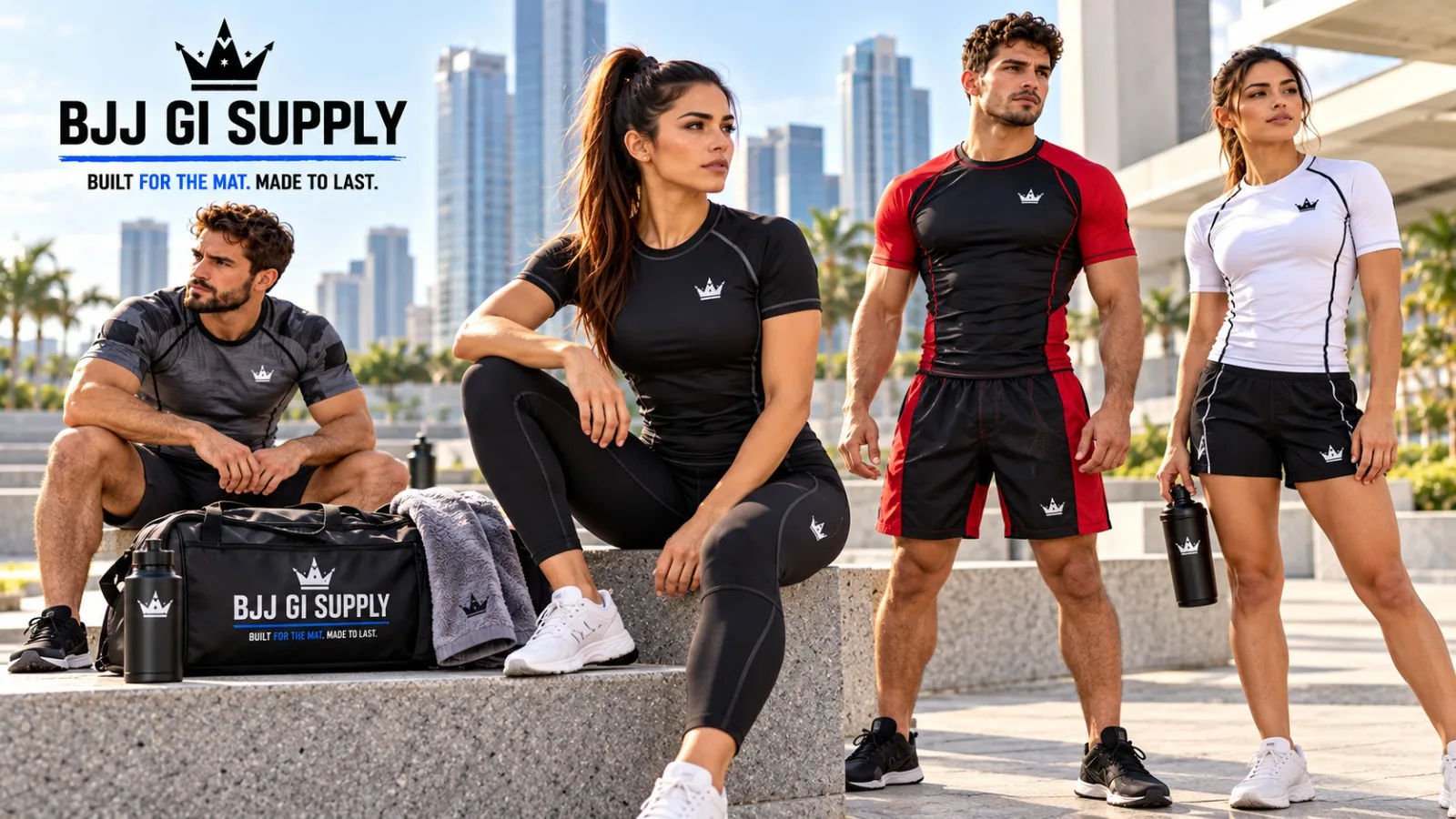
When selecting Sports Wears for hot weather, it is important to consider more than just appearance. Fabric, fit, ventilation, moisture management, and sun protection all affect how comfortable you feel during physical activity. The right combination can help reduce skin irritation, allow better movement, and make outdoor workouts more enjoyable.
Whether you prefer running in the morning, playing football with friends, practising yoga, or exercising in a fitness centre, there are several clothing options designed for warm conditions. Understanding which materials and styles work best will help you make smarter choices and build a practical summer workout wardrobe.
1. Choose Lightweight and Breathable Fabrics
The fabric is one of the most important factors when selecting summer workout clothing. Heavy materials can trap heat, become uncomfortable when wet, and restrict the movement of air around your body.
Lightweight fabrics allow greater freedom of movement and can help sweat evaporate. However, fabric construction matters as much as the material itself. A lightweight, breathable shirt may feel more comfortable than a thick shirt made from the same fibre.
Polyester for Sweat-Wicking Performance
Polyester is widely used in athletic clothing because it is durable, lightweight, and available in fabrics designed to move moisture away from the skin.
Many sports shirts, running shorts, and training tops use specially engineered polyester to improve sweat management. These garments can dry faster than ordinary cotton clothing during intense exercise.
When shopping, look for labels such as moisture-wicking, quick-drying, or breathable. Remember that not every polyester garment performs equally well, so choose a lightweight fabric with a comfortable texture and suitable ventilation.
Nylon for Flexibility and Comfort
Nylon is another common material in workout clothing. It is often used in leggings, cycling shorts, sports bras, and fitted athletic tops.
Its smooth texture and flexibility make it useful for activities that involve repeated movement. Nylon blends can also provide durability and a comfortable fit.
For hot weather, choose thin nylon garments designed for exercise rather than thick, tightly woven materials that may retain heat.
Cotton for Light Exercise
Cotton is soft, comfortable, and breathable in many everyday settings. It can work well for gentle stretching, casual walking, and short, low-intensity workouts.
However, cotton absorbs sweat and can become heavy or clingy during prolonged exercise. If you sweat heavily, a quick-drying athletic fabric may be more comfortable.
The best choice depends on the workout, weather conditions, and your personal preference.
2. Wear Moisture-Wicking T-Shirts and Tank Tops
T-shirts and tank tops are essential parts of a summer workout wardrobe. They are versatile, easy to combine with different bottoms, and suitable for many types of exercise.
The most comfortable options are usually lightweight, breathable, and designed to manage perspiration.
Why Moisture-Wicking Shirts Are Useful
During exercise, your body produces sweat to help regulate temperature. Clothing that becomes saturated can feel uncomfortable and may rub against your skin.
Moisture-wicking shirts are designed to spread moisture across the fabric, helping it evaporate. This can make the garment feel drier during a workout.
For running, gym sessions, and outdoor sports, look for shirts with breathable panels or mesh sections in areas where you tend to sweat most.
T-Shirts Versus Tank Tops
A lightweight T-shirt provides some coverage for your shoulders and upper arms. It is a practical choice for walking, cycling, gym training, and casual outdoor games.
Tank tops expose more of the arms and can feel comfortable during intense workouts in suitable conditions. They are particularly useful for indoor training and activities where additional coverage is unnecessary.
If you exercise under direct sunlight, remember that exposed skin needs protection. A breathable shirt with a suitable ultraviolet protection factor (UPF) can offer additional coverage.
3. Select Comfortable Sports Shorts
Sports shorts are among the most practical clothing choices for hot weather. They allow airflow around the legs and offer freedom of movement during running, gym workouts, and outdoor games.
Look for shorts that are lightweight, quick-drying, and comfortable around the waist.
Running Shorts
Running shorts are generally designed to support a natural stride without restricting the legs. Many have lightweight outer fabric, built-in liners, or small pockets for essentials.
A comfortable waistband is important because overly tight elastic can cause irritation during longer runs.
Training Shorts
Training shorts are useful for strength exercises, circuit training, and general fitness activities. Some feature stretch panels that make squatting, lunging, and stretching easier.
Choose a length that suits your activity and preferences. Shorts should provide enough coverage without interfering with movement.
Football and Basketball Shorts
Football and basketball involve frequent changes of direction, running, and jumping. Lightweight shorts with breathable fabric help support comfortable movement.
For team sports, check whether the material dries quickly and whether the waistband remains secure during vigorous activity.
4. Choose Leggings and Compression Clothing Carefully
Leggings and compression garments are popular because they offer support, flexibility, and a secure fit. They can work well in hot weather when the fabric is lightweight and designed for athletic activity.
However, tight clothing is not automatically cooler or better for every workout.
Breathable Leggings for Summer
Choose leggings made from lightweight, stretchy material with good moisture management. Fabric that feels soft and allows comfortable movement is especially useful for yoga, Pilates, and gym exercises.
For outdoor activities, consider lighter-weight designs rather than thick winter leggings.
Are Compression Clothes Suitable for Heat?
Compression shorts and tops provide a close fit and are commonly worn for running, cycling, and training.
Some people prefer them because they reduce loose fabric and movement-related friction. However, compression clothing does not guarantee better cooling or improved athletic performance.
Avoid garments that feel excessively tight, restrict movement, or leave you uncomfortable. Your clothing should support your activity rather than make it more difficult.
5. Wear the Right Sports Bra for Warm Conditions
For women who exercise, a well-fitting sports bra is an important part of a comfortable summer outfit.
The right design offers support while allowing movement and helping manage perspiration.
Look for Breathable Materials
Choose a sports bra with moisture-wicking fabric and breathable panels. Mesh sections can improve ventilation in areas where sweat tends to accumulate.
Soft seams and a comfortable band can help reduce rubbing during repetitive movement.
Match Support to Your Activity
Low-impact activities, such as gentle yoga and walking, may require less support than running, jumping, or high-intensity exercise.
Select a bra that fits securely without causing pain, excessive pressure, or restricted breathing.
It is also helpful to wash sports bras regularly, especially after sweaty sessions, to maintain freshness and fabric performance.
6. Pick Lightweight and Breathable Sports Socks
Socks are often overlooked when choosing summer workout clothing, but they play an important role in foot comfort.
During exercise, feet can become warm and sweaty, especially inside running shoes. Socks that retain too much moisture may increase friction and contribute to blisters.
Best Materials for Sports Socks
Look for socks made from polyester blends, nylon, or other quick-drying athletic materials. These fabrics can help manage perspiration and keep your feet more comfortable.
Some sports socks also include mesh panels for ventilation and cushioning in high-pressure areas.
Although cotton socks may feel soft initially, they can become damp during longer workouts. If your feet sweat heavily, moisture-managing socks may be a better option.
Choose Socks for Your Sport
Running socks should fit securely without bunching inside your shoes. Football socks need to work with your shin guards, while gym socks should provide a comfortable fit for lifting and general training.
Avoid socks with thick seams that rub against your skin. Changing into clean, dry socks after exercise can also help maintain foot comfort.
7. Wear Lightweight Sports Shoes with Good Ventilation
The right shoes are just as important as your clothing. They should provide the support, grip, and cushioning required for your activity while remaining comfortable in warm weather.
Running and Walking Shoes
For running, choose lightweight shoes with a breathable upper and suitable cushioning. Mesh uppers allow air to circulate more easily than many solid materials.
Walking shoes should provide stable support and a comfortable fit for the shape of your feet.
Training and Court Shoes
Gym training shoes should provide stability for exercises such as squats and weightlifting. Basketball and other court sports require shoes designed for quick changes of direction and appropriate grip.
Do not choose footwear based on ventilation alone. Shoes must also suit the surface, movement, and impact demands of your sport.
8. Choose Light Colours and the Right Fit
Colour and fit can influence how comfortable your outfit feels during hot weather.
Light-coloured clothing generally absorbs less sunlight than dark clothing, making it a practical choice for outdoor exercise. White, light grey, pale blue, and other lighter shades are popular summer options.
However, colour is only one factor. Fabric weight, weave, ventilation, and sun protection also matter.
Why Loose-Fitting Clothing Can Help
Loose clothing allows air to move between the fabric and your skin. This can support ventilation during walking, casual sports, and low-intensity exercise.
For running or cycling, a more fitted garment may be preferable because excess fabric can flap around or interfere with movement.
The best fit is one that allows your body to move naturally without unnecessary pressure or restriction.
Balance Comfort with Sun Protection
Very thin clothing may allow more sunlight to reach your skin. If you exercise outdoors for extended periods, consider lightweight garments with a UPF rating.
UPF 50 clothing blocks approximately 98% of ultraviolet radiation under the conditions used to test the fabric. Remember that sunscreen is still important for uncovered skin.
9. Best Sports Wears for Different Summer Activities
The ideal outfit depends on the type of exercise you perform. A combination that works well for a gym session may not be appropriate for cycling, football, or outdoor walking.
Running and Jogging
For running in hot weather, choose a moisture-wicking T-shirt or tank top, lightweight running shorts, breathable socks, and suitable running shoes.
If you run in direct sunlight, consider a lightweight sun-protective top, a breathable cap, and sunglasses that block ultraviolet rays.
Gym and Strength Training
For gym workouts, a breathable shirt and comfortable training shorts are practical choices. Stretchy leggings or compression shorts can also work well if you prefer a closer fit.
Select training shoes that provide stability for your exercises.
Yoga and Pilates
Yoga and Pilates require clothing that stretches easily and stays in place during different movements.
Lightweight leggings, flexible shorts, and breathable tops are suitable options. Choose materials that feel comfortable against your skin and do not become excessively slippery when wet.
Football and Outdoor Team Sports
Football players benefit from lightweight jerseys, breathable shorts, moisture-managing socks, and sport-specific footwear.
Basketball players may prefer ventilated jerseys and shorts that allow unrestricted jumping and running.
For either sport, remember that the equipment and uniform requirements should take priority over personal style.
Cycling
Cycling clothing often has a closer fit to reduce loose fabric and improve comfort while riding.
Choose a breathable cycling jersey, suitable cycling shorts, and ventilated footwear. If you cycle on roads, wear visible colours and reflective details when lighting conditions require them.
Walking and Hiking
For walking, a lightweight T-shirt and comfortable shorts are often enough. For hiking in exposed areas, a breathable long-sleeved shirt and lightweight trousers can provide additional sun and insect protection.
A wide-brimmed hat can be useful when hiking slowly in strong sunlight. Choose clothing according to the terrain, activity intensity, and expected weather.
10. Common Mistakes to Avoid When Choosing Summer Workout Clothes
Even good-quality athletic clothing may become uncomfortable if you select the wrong design or wear it in unsuitable conditions.
Wearing Thick or Heavy Fabrics
Thick clothing can retain heat and become uncomfortable during vigorous exercise. Choose garments specifically designed for warm conditions rather than using heavy winter training clothes.
Assuming Every Synthetic Fabric Is Cooling
Not every polyester or nylon garment is breathable. Dense construction, poor ventilation, and unsuitable finishes can affect comfort.
Check the fabric's weight and construction, and try it on before buying whenever possible.
Choosing the Wrong Size
Clothing that is too tight can restrict movement, while excessively loose garments may catch on equipment or interfere with sports.
Select the fit that suits your activity and body shape.
Ignoring Sun Protection
A sleeveless top may feel comfortable, but it exposes more skin to sunlight. For outdoor exercise, use a suitable combination of clothing, shade, sunglasses, and sunscreen.
The American Academy of Dermatology recommends broad-spectrum, water-resistant sunscreen with SPF 30 or higher on exposed skin. Reapply according to the label, especially after heavy sweating.
Forgetting Hydration and Rest
Even the best Sports Wears brazilian jiu jitsu gi manufacturers cannot prevent every heat-related problem. Clothing supports comfort, but your body still needs adequate fluids, recovery time, and sensible training intensity.
Take breaks, drink water regularly, and avoid strenuous activity during the hottest part of the day when possible.
11. How to Care for Sports Wears in Summer
Hot weather often means more sweating and more frequent laundry. Taking proper care of your clothing helps preserve its comfort and useful life.
Wash Clothing After Sweaty Workouts
Do not leave damp workout clothing in a closed gym bag for long periods. Wash garments according to their care labels and allow them to dry thoroughly before storing them.
This helps prevent unpleasant odours and keeps your clothing fresh.
Avoid Excessive Heat During Drying
Some technical fabrics can be damaged by high temperatures. Follow the manufacturer's instructions when using a dryer, and air-dry garments when appropriate.
Avoid ironing performance fabrics unless the care label specifically permits it.
Replace Worn-Out Items
Check your clothes regularly for stretched waistbands, damaged seams, thinning fabric, and reduced elasticity.
Replace footwear when the cushioning, grip, or support has deteriorated. Worn clothing and shoes can become less comfortable and may no longer provide the performance you expect.
Conclusion
Choosing the right workout outfit for hot weather is about finding a balance between comfort, performance, ventilation, and protection. Lightweight materials, breathable designs, suitable fits, and moisture management can make exercise more enjoyable when temperatures rise.
The most practical Sports Wears for summer often include moisture-wicking shirts, lightweight shorts, breathable socks, ventilated shoes, and flexible athletic clothing. Polyester and nylon blends can be useful for intense workouts, while cotton may suit shorter or gentler activities. The best material depends on how much you sweat, the activity you perform, and the conditions in which you exercise.
Your clothing should also match your sport. Runners need lightweight outfits and supportive shoes, gym users benefit from flexible training clothes, and outdoor athletes should consider sun-protective garments alongside their regular sports equipment.
Colour, fit, and fabric construction are equally important. Light-coloured garments can be practical in sunlight, while breathable designs help support airflow. When spending extended periods outdoors, consider UPF-rated clothing and protect exposed skin with sunscreen.
Most importantly, remember that suitable clothing is only one part of exercising safely in hot weather. Drink enough water, schedule workouts during cooler hours, take regular breaks, and stop exercising if you experience dizziness, unusual weakness, nausea, or other signs of heat-related illness.
By choosing clothing that fits your activity and the weather, you can build a comfortable summer workout wardrobe without sacrificing mobility or style. The best outfit is not necessarily the most expensive one; it is the one that fits properly, performs well, and helps you exercise comfortably and safely.