

Sleep is one of the most important parts of maintaining good health. It allows the body to recover, supports the immune system, balances hormones, and helps cells perform their daily functions. Although many people focus on diet and exercise, sleep is equally important for keeping the body working properly. When sleep becomes irregular or insufficient, it can influence several biological processes that may be relevant to cellular health testing Pakistan. 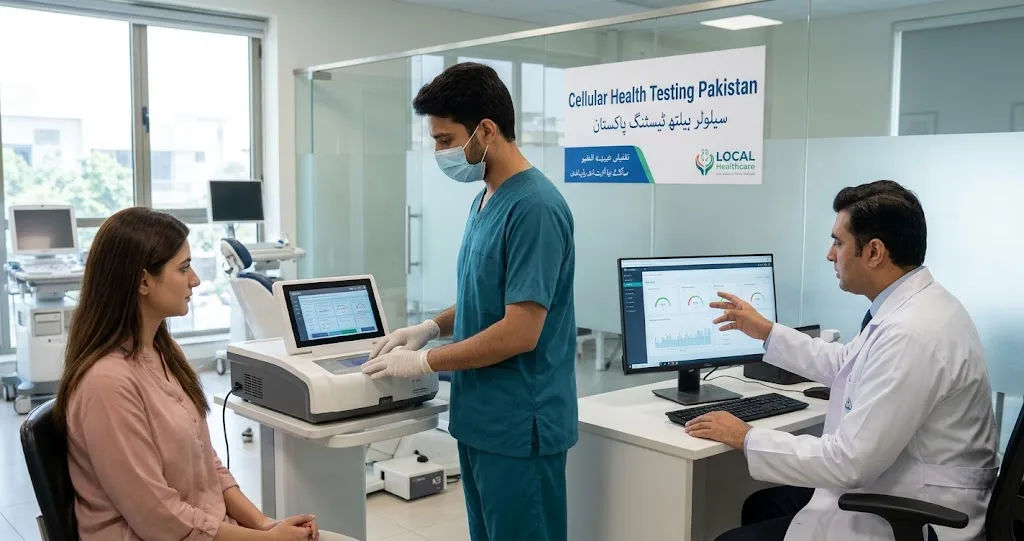 Cellular health refers to the condition and functioning of cells, which are the basic building blocks of the human body. Healthy cells help produce energy, repair damaged tissues, regulate inflammation, and protect the body against harmful substances. Sleep gives the body valuable time to support these processes.
For people interested in understanding their overall wellness, cellular health testing Pakistan may provide information about selected biological markers, depending on the type of test available. However, the relationship between sleep and test results is not always straightforward. Some markers can change with sleep deprivation, while others may reflect longer-term health conditions, lifestyle habits, or normal biological variation.
Understanding how sleep affects cellular processes can help people prepare for testing, interpret their results more carefully, and make healthier lifestyle decisions. This guide explains the connection between sleep and cellular health, the possible effects of poor sleep on test results, and practical steps to support better sleep before a health assessment.
Cellular Health
What Is Cellular Health?
Cellular health describes how well the body's cells perform their essential functions. Every organ depends on healthy cells to maintain normal activity, from the brain and heart to the muscles and digestive system.
Cells need oxygen, nutrients, and energy to function properly. They also require effective systems for repairing damage, removing waste products, and responding to environmental changes.
Several biological processes contribute to cellular health, including mitochondrial energy production, DNA maintenance, immune activity, and the regulation of inflammation. Sleep can influence many of these processes, which is why it is an important consideration when assessing overall wellness.
What Does Cellular Health Testing Measure?
The term cellular health testing can describe different types of assessments. There is no single standard test that measures every aspect of cellular health.
Depending on the laboratory and the test, an assessment might examine selected metabolic markers, inflammatory indicators, oxidative stress markers, nutritional factors, or other biological measurements. Some tests marketed for cellular wellness may use specialized methods, while conventional medical tests evaluate specific health concerns.
People considering cellular health testing Pakistan should ask the provider exactly what is measured, how the sample is collected, and whether the results have established clinical significance.
It is also important to understand that a wellness test cannot automatically diagnose a disease or provide a complete picture of a person's health. Results should be interpreted according to the test's validated purpose and the individual's medical history.
How Sleep Supports Cellular Function
Sleep Allows the Body to Recover
Sleep is an active biological process rather than a period when the body simply rests. During sleep, the body regulates important hormones, supports tissue maintenance, and coordinates several recovery processes.
Cells continuously experience ordinary wear and tear. They must repair damage, maintain their internal structures, and replace components that are no longer functioning properly.
Adequate sleep supports the body's ability to maintain these processes. Although repair occurs throughout the day, sleep provides conditions that help coordinate recovery and normal physiological regulation.
Sleep Supports Mitochondrial Function
Mitochondria are structures inside cells that help produce usable energy. They are especially important in tissues with high energy requirements, including the brain, heart, and muscles.
Sleep loss can affect energy regulation, metabolism, and the body's response to stress. Researchers are also studying how disrupted sleep influences mitochondrial function and cellular energy balance.
However, the effects vary depending on the duration of sleep deprivation, the individual's health, and the biological process being measured. A single night of poor sleep does not necessarily mean that a person has permanently damaged cellular function.
Sleep Helps Regulate Inflammation
Inflammation is part of the immune system's normal response to infection and injury. However, persistent or poorly regulated inflammation can contribute to various health problems.
Regular sleep helps coordinate immune activity. Repeatedly sleeping too little or experiencing fragmented sleep has been associated with changes in inflammatory signaling and certain inflammatory markers.
These changes may be relevant when interpreting tests that measure inflammation. Still, an elevated inflammatory marker can have many explanations, including infection, injury, chronic disease, and other lifestyle factors.
Sleep Helps Maintain Hormonal Balance
The body releases and regulates hormones according to daily rhythms and sleep patterns. These hormones influence appetite, stress responses, blood sugar regulation, and energy use.
Poor sleep can affect cortisol, which is involved in the stress response, as well as hormones related to hunger and fullness. Sleep restriction can also reduce the body's sensitivity to insulin in some circumstances.
Such changes may influence metabolic health and certain laboratory measurements. Their significance depends on the test, the timing of sample collection, and whether sleep disruption is occasional or ongoing.
Can Poor Sleep Affect Cellular Health Testing Pakistan?
Changes in Inflammatory Markers
One possible effect of insufficient sleep is a change in the body's inflammatory activity. Some studies have found associations between sleep disruption and differences in markers such as C-reactive protein and certain inflammatory signaling molecules.
These findings do not mean that every person who sleeps poorly will have abnormal results. The response can differ considerably between individuals.
If a cellular health assessment includes inflammatory markers, recent sleep quality may be useful context when discussing the results with a healthcare professional.
Effects on Oxidative Stress
Oxidative stress occurs when the production of reactive molecules exceeds the body's ability to manage them effectively. These molecules are generated during normal biological activity, but excessive oxidative stress can damage cellular components.
Sleep disruption has been associated with changes in oxidative balance in some research. However, the evidence varies by study, population, and measurement method.
Not every test marketed as a cellular wellness assessment measures oxidative stress reliably. People should confirm whether the laboratory uses a validated method and how the result should be interpreted.
Changes in Blood Sugar and Metabolism
Poor sleep can influence glucose metabolism and insulin sensitivity. Even short periods of sleep restriction may affect how the body responds to glucose, although the extent of the effect varies.
For example, fasting blood glucose can be influenced by several factors, including stress, illness, medication, food intake, and sleep patterns. Longer-term measurements, such as glycated hemoglobin (HbA1c), reflect average blood glucose over a much longer period and are not determined by a single night's sleep.
Therefore, an abnormal metabolic result should not automatically be blamed on poor sleep. A clinician can help determine whether repeat testing or additional assessment is appropriate.
Effects on Stress-Related Hormones
Sleep and the body's internal clock influence hormone release throughout the day. Cortisol, for example, normally follows a daily rhythm, with levels changing around waking and throughout the day.
An irregular sleep schedule, overnight work, or collecting a sample at an unusual time may complicate the interpretation of certain hormone tests.
If a cellular health assessment includes hormone-related measurements, ask the laboratory whether collection time and sleep schedule need to be standardized.
Why Results May Differ Between Individuals
The effects of sleep are not identical for everyone. A healthy adult who experiences one restless night may respond differently from someone who has experienced months of insufficient sleep.
Age, physical activity, diet, medication, chronic illness, work schedules, and stress can all influence biological measurements.
For this reason, cellular health testing Pakistan should be considered within the broader context of personal health rather than treated as a direct measurement of sleep quality alone.
How Much Sleep Do Adults Need Before Testing?
Recommended Sleep Duration
Most adults need approximately seven to nine hours of sleep each night. Individual needs vary, but consistently getting less than the recommended amount can affect alertness, metabolism, mood, and other aspects of health.
Teenagers generally require more sleep than adults, while older adults may experience changes in sleep patterns without necessarily needing substantially less sleep.
For most routine health assessments, maintaining a normal and consistent sleep schedule in the days before testing is a sensible approach.
Is One Night of Poor Sleep Enough to Change Results?
It can affect some measurements, but it will not necessarily change every test.
One night of insufficient sleep may influence alertness, stress responses, glucose regulation, and selected inflammatory processes. Other markers may be relatively stable over short periods or reflect longer-term biological conditions.
The important point is to avoid assuming that poor sleep has either invalidated all results or had no effect at all.
If you sleep badly the night before testing, tell the healthcare professional if you think it could be relevant. Whether the test should proceed depends on its purpose and preparation requirements.
Does Long-Term Sleep Deprivation Matter More?
Repeated sleep restriction can have broader effects than an isolated poor night. Over time, it may contribute to metabolic problems, changes in immune regulation, and increased cardiovascular risk.
Long-term sleep difficulties may also be a sign of an underlying issue, such as sleep apnea, chronic pain, anxiety, or another medical condition.
A cellular health assessment cannot replace an appropriate evaluation of persistent sleep problems. If you regularly struggle to sleep or remain tired despite spending enough time in bed, consider discussing the issue with a qualified healthcare professional.
How to Prepare for Cellular Health Testing
Maintain a Consistent Sleep Schedule
Try to go to bed and wake up at approximately the same times each day in the days before testing. A consistent schedule helps support the body's circadian rhythm, which regulates many biological processes.
Avoid deliberately staying awake late to finish work or changing your normal sleep pattern without a good reason.
If you work night shifts or follow an unusual schedule, inform the laboratory or clinician when arranging the assessment.
Follow Fasting Instructions Carefully
Some laboratory tests require fasting, while others do not. Fasting requirements depend on the specific measurements being collected.
If fasting is necessary, ask how long you should avoid food and whether drinking water is permitted. Do not extend the fasting period unnecessarily, as prolonged fasting may affect certain measurements and make you feel unwell.
Never assume that every cellular wellness test requires fasting.
Avoid Unusual Exercise Before Testing
Exercise supports long-term health, but intense physical activity shortly before sample collection can temporarily change certain biological measurements.
If your test provider recommends avoiding strenuous exercise before testing, follow those instructions. Otherwise, maintaining your usual activity level is generally more sensible than suddenly introducing a demanding workout.
Stay Hydrated
Dehydration can influence some laboratory measurements, including the concentration of substances measured in blood. Drink water according to the laboratory's instructions unless a healthcare professional has advised you to restrict fluids.
Avoid excessive water intake, which is not necessary for accurate testing.
Inform the Provider About Medicines and Supplements
Some medicines and supplements can influence laboratory results. Tell the healthcare professional about what you take, including prescription medicines, over-the-counter products, and nutritional supplements.
Do not stop prescribed medication simply to improve a test result unless your clinician specifically instructs you to do so.
Report Recent Illness and Sleep Disruption
If you have recently experienced a fever, infection, unusually severe stress, or several nights of poor sleep, mention it when discussing the test.
The laboratory or clinician can determine whether the information is relevant and whether the timing of testing should change.
These preparation steps can help make results easier to interpret, although no preparation routine can guarantee that every measurement will be perfectly accurate.
Finding Reliable Cellular Health Testing Pakistan
Choose a Reputable Laboratory
When selecting a testing provider, look for appropriate laboratory accreditation, qualified personnel, clear sample-handling procedures, and transparent information about the tests offered.
Ask whether the laboratory follows recognized quality-control procedures and whether the methods used have been validated for their intended purpose.
A professional provider should explain what the test can and cannot tell you without making exaggerated claims about detecting disease, measuring biological age, or predicting future health.
Ask What the Results Actually Mean
Before booking, request a clear explanation of the test's biomarkers and their clinical relevance.
Find out whether the laboratory provides reference ranges, explains factors that may affect the results, and offers access to a qualified professional for interpretation.
Be cautious if a provider promises that a single test can reveal every cellular problem or provide a complete assessment of your overall health.
Consider Follow-Up and Medical Guidance
The usefulness of a test depends partly on what happens after the results are available. A healthcare professional can help explain whether a finding is meaningful, whether additional testing is appropriate, and whether lifestyle changes are recommended.
For people exploring cellular health testing Pakistan, this follow-up is particularly important when the assessment includes specialized markers that may not have widely established clinical thresholds.
The goal should be to obtain understandable, reliable information that supports sensible health decisions rather than to chase individual numbers without context.
Practical Ways to Improve Sleep and Support Cellular Health
Create a Relaxing Bedtime Routine
Give yourself time to slow down before bed. Reading, gentle stretching, taking a warm shower, or practicing relaxation techniques may help prepare your body for sleep.
Try to avoid stimulating activities that keep your mind active when you are trying to rest.
Reduce Late-Day Caffeine
Caffeine can remain in the body for several hours. Coffee, strong tea, energy drinks, and some soft drinks may make it harder to fall asleep, particularly when consumed late in the day.
If you have trouble sleeping, experiment with reducing caffeine intake in the afternoon and evening.
Make Your Bedroom Comfortable
A quiet, dark, and comfortably cool bedroom can support better sleep. Use curtains, earplugs, or other practical adjustments if noise or light interrupts your rest.
Choose bedding that feels comfortable and avoid activities in bed that make it difficult to associate the bedroom with sleep.
Get Daylight and Exercise
Exposure to natural daylight during the day helps regulate the body's internal clock. Regular physical activity can also improve sleep quality and support metabolic health.
Try to spend some time outdoors and remain physically active according to your abilities. If vigorous exercise close to bedtime makes you feel more alert, move it earlier in the day.
Recognize Possible Sleep Disorders
Persistent snoring, repeated nighttime awakenings, difficulty falling asleep, and excessive daytime sleepiness may indicate a sleep problem that deserves attention.
Sleep apnea, for example, can interrupt breathing repeatedly during sleep and affect daytime functioning. It cannot be diagnosed through a general cellular health test alone.
Seeking medical advice about ongoing symptoms may be more useful than relying exclusively on wellness testing.
Common Questions About Sleep and Cellular Health Testing
Should I Reschedule My Test After a Bad Night?
Not necessarily. Many tests can still be performed after an ordinary night of poor sleep. However, if the assessment requires tightly controlled conditions or measures sleep-sensitive hormones or metabolic markers, the timing may matter.
Contact the laboratory or clinician before rescheduling. They can advise you according to the exact test.
Can Good Sleep Make My Results Normal?
Good sleep supports healthy biological function, but it cannot guarantee normal results. Genetics, nutrition, illness, medications, and other factors may influence measurements.
Likewise, an abnormal result does not automatically mean that you have a serious condition. Interpretation depends on the specific marker and the wider clinical picture.
Should I Sleep Longer Than Usual Before Testing?
It is generally better to maintain a regular, adequate sleep schedule than to make a sudden effort to sleep much longer than usual.
Oversleeping will not necessarily improve results, and changing your normal routine may make it harder to compare measurements consistently.
Can Cellular Testing Diagnose a Sleep Disorder?
A general cellular wellness assessment cannot reliably diagnose conditions such as insomnia or sleep apnea. These conditions require an appropriate clinical evaluation and, when indicated, specific sleep assessments.
If sleep problems are persistent, discuss them directly with a healthcare professional.
Conclusion
Sleep plays an important role in maintaining cellular function, regulating inflammation, supporting energy production, and balancing hormones. When sleep is regularly insufficient or disrupted, it may influence selected biological measurements and contribute to changes in metabolic and immune health. However, the effect depends on the type of test, the person's health, and whether sleep disruption is temporary or ongoing.
People considering cellular health testing Pakistan should understand that no single test measures every aspect of cellular health. Different assessments examine different markers, and not all specialized wellness tests have the same level of scientific validation. Asking clear questions about the testing method, the purpose of each measurement, and the meaning of the results can help you make an informed decision.
Before testing, aim for adequate sleep, maintain a consistent routine, follow the laboratory's fasting and preparation instructions, stay appropriately hydrated, and disclose relevant medicines, supplements, illnesses, or recent sleep difficulties. If you have an unusually poor night of sleep, ask the provider whether it could affect the specific measurements rather than automatically cancelling the appointment.
Most importantly, remember that a healthy lifestyle involves more than a laboratory result. Regular sleep, balanced nutrition, physical activity, stress management, and appropriate medical care all contribute to long-term well-being. If sleep difficulties persist, seek professional advice instead of relying on cellular testing alone.
By treating sleep as an essential part of health and interpreting test results carefully, you can use health assessments more responsibly and make better decisions about your well-being.