

Early reading skills play an important role in a child's overall development. Learning to recognize letters, understand sounds, pronounce simple words, and enjoy stories creates a strong foundation for future education. Children who develop these abilities during their early years often find it easier to understand classroom lessons and communicate their thoughts. With technology becoming a regular part of education, parents are exploring new ways to support their children's learning at home. One increasingly popular option is digital preschool education.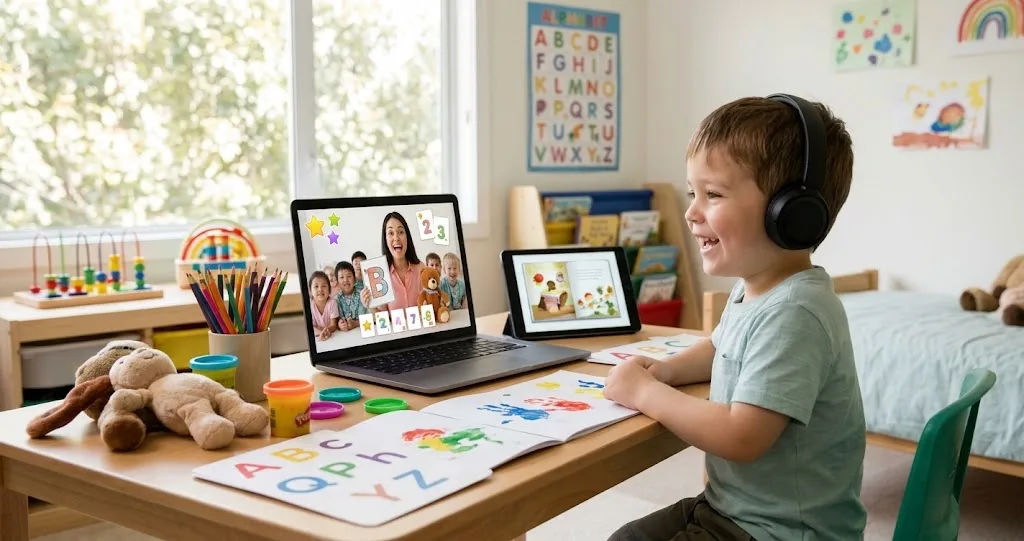
In this changing educational environment, Pre School Online programs offer children opportunities to develop early literacy skills through interactive lessons, digital stories, phonics activities, and guided learning exercises. These programs can introduce important reading concepts in an engaging and age-appropriate way. Instead of relying entirely on traditional worksheets and printed books, children can explore letters, sounds, and words through activities that encourage curiosity and participation.
However, parents often wonder whether online preschool education can genuinely improve reading abilities or whether children learn better through traditional classroom experiences. The answer depends on the quality of the learning program, the child's age, parental involvement, and the balance between screen-based activities and real-world experiences. When used thoughtfully, online preschool education can become a valuable part of a child's early reading journey.
Early Reading Skills in Preschool Children
Early reading skills are the abilities children develop before they become independent readers. These skills usually begin developing long before a child starts formal schooling.
Preschool children learn to recognize familiar letters, identify sounds, understand simple words, and connect spoken language with written symbols. They also begin understanding that printed words communicate ideas.
Developing these abilities gradually helps children become more confident when they encounter books and reading activities.
What Are the Main Components of Early Literacy?
Early literacy includes several connected abilities that support reading development.
-
Letter recognition: Children learn to identify uppercase and lowercase letters.
-
Phonological awareness: They begin recognizing rhymes, syllables, and individual sounds in spoken words.
-
Phonics: Children learn how letters and combinations of letters represent sounds.
-
Vocabulary development: They understand new words through conversations, stories, and everyday experiences.
-
Listening comprehension: Children learn to understand spoken information and follow simple stories.
-
Print awareness: They recognize that books contain words and that written language carries meaning.
These abilities develop at different rates. Some children recognize letters early, while others develop stronger listening and storytelling abilities first.
A good preschool learning experience supports all these areas rather than concentrating only on memorizing the alphabet.
Why Reading Development Should Begin Early
Early exposure to language helps children become comfortable with communication and written information.
When parents read stories aloud, children hear different words, sentence structures, and expressions. They gradually learn how language works and become interested in understanding printed words.
Early literacy activities also strengthen attention, memory, listening, and problem-solving abilities.
Children do not need to read complicated sentences during preschool. Their main goal should be developing curiosity about language and becoming familiar with the basic building blocks of reading.
How Pre School Online Supports Early Reading Development
Pre School Online preschool programs can provide structured activities that introduce reading concepts in simple and engaging ways.
Many programs combine colorful illustrations, recorded stories, interactive games, songs, and guided exercises. These features help children explore language without making every learning activity feel like a formal lesson.
Interactive Alphabet Learning
Alphabet recognition is one of the first steps toward reading.
Online preschool platforms often introduce letters through animations, pictures, songs, and interactive exercises. Children might see the letter B alongside a picture of a ball or the letter A beside an apple.
These visual connections help children associate letters with familiar objects.
Some activities also allow children to select letters, trace their shapes, or listen to their pronunciation. Repeating these exercises can strengthen recognition and help children remember letter names.
However, digital activities should not replace physical practice. Parents can encourage children to write letters using crayons, draw them in sand, or identify them on household objects.
Combining digital and hands-on activities creates a more complete learning experience.
Developing Phonics Awareness
Phonics teaches children how letters represent sounds. This knowledge is essential for learning how to read unfamiliar words.
For example, children might learn that the letter M makes the sound heard at the beginning of words such as moon, milk, and mother.
Online lessons can introduce these connections through audio examples, songs, and sound-matching games.
Children may listen to a word and choose the picture that begins with the same sound. Other activities encourage them to repeat sounds and identify differences between similar words.
These exercises help children understand that spoken words contain individual sounds that can be connected to written letters.
Parents should remember that phonics development takes time. Children benefit more from regular, enjoyable practice than from long lessons that create frustration.
Learning Through Digital Storytelling
Storytelling is another effective way to strengthen early reading abilities.
Digital preschool platforms often include animated stories with spoken narration, illustrations, and simple vocabulary. Children can listen while following the characters and observing what happens throughout the story.
This experience introduces new words and helps children understand how stories are organized.
For example, a story about a family visiting a park may introduce words such as playground, swing, flowers, and picnic.
Children can learn these words through context rather than memorizing definitions.
Parents can improve the experience by discussing the story afterward. Asking questions such as what happened first, which character was interesting, or what might happen next encourages children to think about the information they heard.
The Role of Interactive Games in Reading Development
Young children naturally enjoy activities that involve movement, discovery, and playful challenges.
Educational games can use these interests to introduce reading concepts in an enjoyable format.
Letter Matching Games
Letter matching activities encourage children to recognize similarities between symbols.
A child might be asked to match an uppercase letter with its lowercase version. Another activity may involve matching a letter with a picture of an object that begins with the same sound.
These games strengthen visual recognition and encourage children to pay attention to small differences between letters.
Repeated practice can help children become more comfortable identifying familiar letters.
Rhyming and Sound Recognition Activities
Rhyming games help children recognize sound patterns in language.
For example, children may listen to words such as cat, hat, and bat and identify which words sound similar.
Online preschool activities can present these exercises through songs, recorded words, and interactive picture selections.
Sound recognition is important because it prepares children for understanding how spoken language connects with written words.
Parents can extend these activities away from the screen by playing simple rhyming games during everyday conversations.
Vocabulary Building Games
Vocabulary is an essential part of reading comprehension.
Children who understand more words can follow stories more easily and communicate their thoughts with greater confidence.
Digital learning activities may introduce vocabulary through pictures, audio recordings, and simple descriptions.
For example, an activity about animals might introduce words such as elephant, giraffe, feathers, and habitat.
Parents can reinforce this learning by using new words in everyday conversations and encouraging children to describe what they see.
Can Online Preschool Improve Reading Comprehension?
Reading comprehension involves understanding the meaning of words, sentences, and stories.
Although preschool children may not yet read independently, they can develop the foundations of comprehension through listening and discussion.
Understanding Simple Stories
Listening to stories helps children understand how events connect.
They begin recognizing characters, settings, problems, and solutions. These elements introduce the basic structure of storytelling.
Some digital lessons pause during a story and ask children questions about what is happening.
For example, a child may be asked why a character is sad or what the character should do next.
These questions encourage children to think beyond individual words and understand the meaning of the story.
Improving Listening Skills
Listening is closely connected to early reading development.
Children need to understand spoken instructions, recognize familiar vocabulary, and follow explanations before they can fully benefit from reading activities.
Online preschool programs can support listening through narrated stories, songs, and spoken instructions.
However, children also need opportunities to listen to real people.
Conversations with parents, grandparents, teachers, and other children help them understand different speaking styles and respond naturally.
Encouraging Children to Predict and Explain
Predicting what might happen next encourages children to think actively about stories.
Parents can pause during a digital story and ask what the child thinks will happen.
They can also encourage children to explain why a character made a particular decision.
These conversations strengthen comprehension, reasoning, and language development.
The Importance of Parental Involvement in Online Preschool
Technology can provide useful educational resources, but it cannot replace the support of an involved adult.
Preschool children often need guidance to understand instructions, remain focused, and connect new information with everyday experiences.
Learning Together Through Guided Activities
Parents can participate in online reading lessons by sitting with their children and discussing the activities.
For example, when a lesson introduces the letter S, parents can help children identify objects such as socks, spoons, and shoes.
This connection between digital learning and real objects makes the lesson more meaningful.
Parents can also repeat new words, demonstrate letter sounds, and encourage children to explain what they have learned.
Creating a Daily Reading Routine
Consistency is more important than long study sessions.
Parents can establish a simple daily routine that includes short digital lessons, physical books, and conversations.
For example, a child might spend a few minutes exploring letter sounds, listen to a short story, and then look through a picture book with a parent.
This routine creates regular opportunities to practice early literacy skills.
A predictable schedule also helps children become familiar with learning activities without feeling overwhelmed.
Offering Encouragement Instead of Pressure
Every child develops reading abilities at a different pace.
Some children quickly recognize letters, while others need more time and repetition.
Parents should celebrate progress rather than compare children with siblings or classmates.
Positive encouragement helps children develop confidence and maintain an interest in learning.
When a child makes a mistake, parents can gently demonstrate the correct answer and provide another opportunity to practice.
Online Preschool Versus Traditional Preschool Reading Activities
Both online and traditional preschool environments can support early literacy development.
However, they provide different learning experiences, and understanding these differences can help parents make informed decisions.
Benefits of Online Preschool Learning
Online programs offer flexibility and access to different educational resources.
Children can explore stories, alphabet activities, and phonics exercises from home. Parents can also select lessons that match their child's current abilities.
Other advantages include:
-
Interactive activities that encourage participation.
-
Repeated access to familiar lessons.
-
Audio support for letter sounds and pronunciation.
-
Flexible learning schedules.
-
Opportunities to explore different stories and vocabulary.
-
Progress tracking in programs that provide suitable assessment tools.
These features can make online preschool particularly useful for families seeking additional learning opportunities outside traditional classrooms.
Benefits of Traditional Preschool Education
Traditional preschool provides important social and practical experiences.
Children interact with teachers and classmates, participate in group storytelling, handle physical books, and engage in activities that develop communication skills.
Teachers can also observe children's reactions and adjust lessons according to their needs.
Group reading activities encourage children to listen to different perspectives and express their ideas.
These experiences are valuable because reading development involves social communication as well as recognizing letters and sounds.
Why a Balanced Approach Can Work Best
Online and traditional preschool learning do not need to compete with each other.
A balanced approach can combine the flexibility of digital resources with the practical benefits of classroom activities.
Children can use online lessons to practice letter recognition and listen to stories. They can then explore printed books, draw pictures, discuss characters, and participate in conversations.
This combination provides different ways to experience language and encourages more complete literacy development.
Choosing the Right Online Preschool Program for Reading Skills
Not every digital preschool platform offers the same educational quality.
Parents should evaluate learning content carefully before choosing a program.
Look for Age-Appropriate Reading Lessons
A good program should introduce concepts according to children's developmental abilities.
Younger preschool children may benefit from alphabet songs, picture recognition, rhyming, and listening activities.
Older preschool children may be ready for beginning phonics, simple word recognition, and more detailed storytelling exercises.
Lessons should become gradually more challenging without creating unnecessary pressure.
Check the Quality of Phonics Instruction
Phonics activities should explain the relationship between letters and sounds clearly.
Parents should look for lessons that provide accurate pronunciation and opportunities to practice individual sounds.
A program should also include activities that help children hear sounds in spoken words.
Memorizing letter names alone is not enough to develop effective early reading skills.
Choose Programs With Interactive Storybooks
Storybooks are valuable because they introduce vocabulary, sentence patterns, and comprehension.
Look for platforms that include age-appropriate stories with clear narration and meaningful illustrations.
The best stories encourage children to think, ask questions, and discuss what they hear.
Consider Progress Tracking and Feedback
Some platforms provide information about completed lessons, letter recognition, and activity performance.
These features can help parents understand which areas their children enjoy and where additional practice may be helpful.
However, progress reports should not become a source of pressure.
A preschool child's development cannot be measured entirely through digital scores or completed activities.
Parents should also observe how children communicate, recognize words, and respond to stories in everyday situations.
How Much Screen Time Is Appropriate for Preschool Reading Activities?
Screen time is an important consideration when introducing digital education to young children.
Although educational technology can support learning, excessive screen use may interfere with sleep, physical activity, play, and social interaction.
Parents should create reasonable boundaries and prioritize activities that involve active participation.
Keep Learning Sessions Short
Young children usually benefit from short, focused activities rather than extended screen-based lessons.
Parents can divide learning into manageable sessions and stop when children become tired or distracted.
The goal is to maintain interest and encourage positive learning experiences.
Follow Age-Appropriate Screen Time Guidance
The World Health Organization recommends limiting sedentary screen time for young children. Its guidance for children aged three and four is no more than one hour per day, with less being better.
Parents should consider this guidance when planning educational screen activities.
For children younger than three, screen exposure should generally be avoided, apart from appropriate video communication.
The right approach depends on the child's age, developmental needs, and overall daily routine.
Balance Screens With Physical Books and Play
Digital reading activities should be combined with traditional books and hands-on experiences.
Children can practice letter formation using crayons, build words with alphabet blocks, and identify letters on signs or packaging.
Parents can also visit libraries, tell bedtime stories, and encourage children to describe pictures.
These activities help children understand that reading is connected to the world around them, not just a screen.
Common Challenges of Online Preschool Reading Education
Although digital preschool learning offers several advantages, parents should understand its limitations.
Recognizing potential challenges makes it easier to create a more effective learning environment.
Distractions During Online Lessons
Young children can become distracted by animations, background sounds, and unrelated applications.
Some educational platforms include too many visual effects, which may take attention away from the actual reading lesson.
Parents should select simple programs that focus on educational content rather than unnecessary entertainment.
Keeping the learning environment quiet can also improve concentration.
Limited Human Interaction
Digital lessons cannot fully reproduce conversations with teachers and classmates.
Children need opportunities to ask questions, hear responses, and practice language in social situations.
Parents should discuss stories and encourage regular conversations to support these important skills.
Different Learning Speeds
Some children understand digital instructions quickly, while others need additional explanation.
An online program may not always recognize when a child is confused or needs a different teaching approach.
Parents should observe their children's progress and provide additional support when necessary.
If a child continues struggling with speech sounds, language comprehension, or letter recognition, discussing these concerns with an early childhood educator or qualified specialist may be helpful.
Practical Ways to Improve Early Reading Skills at Home
Parents can strengthen the benefits of online preschool education by making reading part of everyday family life.
Small activities performed regularly can create meaningful learning opportunities.
Read Physical Books Every Day
Choose books with colorful pictures, simple sentences, and familiar subjects.
Read slowly and allow children to examine the illustrations.
Point to selected words and explain their meanings when appropriate.
Repetition is helpful because familiar stories allow children to recognize words and understand sentence patterns more easily.
Practice Letter Recognition in Everyday Situations
Parents can turn ordinary activities into learning opportunities.
Ask children to identify letters on food packages, books, toys, and household objects.
For example, while preparing breakfast, parents can point out the letter M on a milk carton.
These simple experiences help children recognize that letters appear in many places.
Encourage Storytelling and Conversation
Ask children to describe their day, explain their drawings, or create stories about their favorite toys.
These activities develop vocabulary and sentence formation.
Parents should listen carefully and give children enough time to express themselves.
Reading development is closely connected to the ability to understand and communicate ideas.
Use Songs and Nursery Rhymes
Songs and nursery rhymes introduce rhythm, repetition, and sound patterns.
Children can learn rhyming words through familiar songs and become more aware of how spoken language sounds.
Parents can sing together, clap along with syllables, and encourage children to repeat simple phrases.
These activities make language learning enjoyable and memorable.
Measuring Progress in Early Reading Development
Parents often want to know whether their efforts are producing meaningful results.
Rather than expecting children to read complete books immediately, they should look for gradual improvements in basic literacy abilities.
Signs That Reading Skills Are Developing
Positive indicators may include:
-
Recognizing several familiar letters.
-
Identifying the beginning sounds of common words.
-
Showing interest in picture books and stories.
-
Recognizing rhyming words.
-
Understanding simple story events.
-
Asking questions about printed words.
-
Enjoying activities involving letters and sounds.
Children may develop these skills at different times, so progress should be evaluated individually.
When Should Parents Seek Additional Support?
Some children need more time and assistance with early language development.
If a child has persistent difficulty understanding spoken instructions, communicating ideas, recognizing sounds, or participating in age-appropriate language activities, parents may wish to consult an early childhood educator or speech-language professional.
Early guidance can help identify learning needs and provide appropriate support.
Parents should avoid labeling children based on temporary difficulties or comparing their progress with other children.
Conclusion
Early reading development is an important part of preschool education, and children benefit from learning experiences that introduce language in an enjoyable and supportive way. Recognizing letters, understanding sounds, building vocabulary, listening to stories, and developing comprehension are all essential steps toward becoming confident readers.
Online preschool education can contribute positively to these abilities when programs offer meaningful activities, age-appropriate lessons, and opportunities for active participation. Interactive alphabet exercises, phonics games, digital storytelling, and vocabulary activities can introduce children to important literacy concepts while keeping them interested in learning.
However, technology alone cannot guarantee strong reading skills. Children still need conversations, physical books, creative play, and personal guidance from parents and teachers. These experiences help them connect digital lessons with everyday language and develop communication abilities that extend beyond the classroom.
Parents should also pay attention to screen time, program quality, and individual learning needs. Short educational sessions, regular reading routines, and positive encouragement can make a significant difference in how children respond to early literacy activities.
Ultimately, Pre School Online can improve early reading skills when it becomes part of a balanced educational approach. The most effective learning environment combines useful digital resources with traditional storytelling, hands-on practice, and meaningful human interaction. By providing consistent support and allowing children to progress at their own pace, parents can help establish a strong foundation for reading, communication, and lifelong learning.