

Milk powder is a versatile kitchen ingredient that can make everyday cooking easier, improve the texture of recipes, and add a pleasant creamy flavour to different dishes. It is made by removing moisture from liquid milk, leaving behind a concentrated powder that can be stored and used whenever needed. From baking cakes to preparing creamy sauces, milk powder offers several practical benefits for home cooks. Understanding how to use mall rich milk powder in everyday recipes can help you explore new cooking possibilities while making better use of ingredients already available in your kitchen.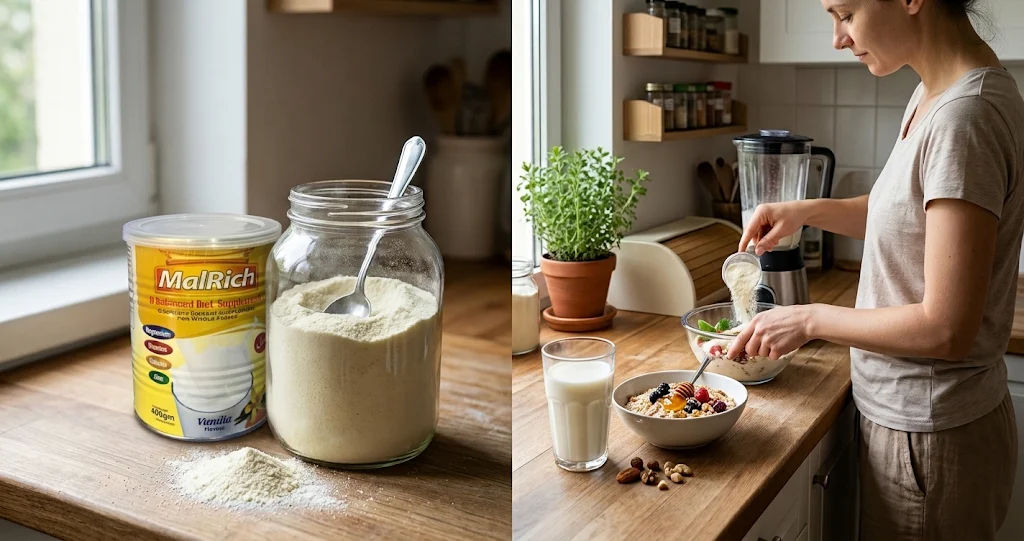
Many people associate milk powder mainly with preparing a glass of milk, but its uses go far beyond that. It can be added directly to certain recipes, mixed with water to replace liquid milk, or combined with other ingredients to improve consistency. Whether you are preparing breakfast, making desserts, cooking traditional dishes, or experimenting with homemade bakery products, milk powder can become a useful addition to your cooking routine.
This comprehensive guide explains how milk powder benefits cooking, which recipes can benefit from it, how to use it correctly, and what precautions you should consider to achieve delicious results.
Milk Powder and Its Cooking Benefits
Milk powder is produced by removing most of the water from fresh milk through specialised drying processes. The result is a dry product containing many of the nutrients and milk solids found in the original milk.
Depending on the variety, milk powder may contain protein, carbohydrates, fat, calcium, and other nutrients. Whole milk powder contains more milk fat, while skimmed milk powder contains considerably less fat.
Its concentrated nature makes it useful in recipes where cooks want to introduce milk solids without adding extra liquid.
Why Is Milk Powder Useful in Cooking?
One of the biggest advantages of milk powder is convenience. You do not always need fresh liquid milk to prepare a recipe that requires a milky flavour or creamy consistency.
You can keep an appropriately stored packet in your kitchen and measure the amount required for different dishes.
Milk powder also offers flexibility. It can be incorporated into dry ingredients, dissolved in water, or used in small quantities to improve the flavour and texture of food.
Different Types of Milk Powder
Understanding the available varieties helps you select the right product for your cooking needs.
-
Whole milk powder: Contains milk fat and provides a richer flavour.
-
Skimmed milk powder: Contains less fat and works well in recipes where additional fat is not required.
-
Instant milk powder: Designed to dissolve more easily in water.
-
Non-instant milk powder: May require additional mixing to dissolve completely.
Choosing the correct type depends on the recipe, desired consistency, and nutritional requirements.
How Milk Powder Improves Baking Results
Baking is one of the most useful areas where milk powder can make a difference. Professional bakers and home cooks use it in different recipes because it adds milk solids without introducing additional liquid.
mall rich solids can influence browning, flavour, softness, and texture.
Making Cakes Softer and More Flavourful
Milk powder can improve the flavour of homemade cakes by adding a mild dairy richness.
It also contributes proteins and lactose, which influence browning during baking. This can help create an attractive golden appearance when the recipe is properly balanced.
For example, when preparing vanilla cake, you can mix a suitable quantity of milk powder with the dry ingredients before adding the wet ingredients.
The result can be a richer flavour and a more satisfying texture.
However, adding too much powder may make the batter excessively thick or produce a dry cake. Therefore, measurements should be adjusted carefully.
Improving Homemade Bread
Milk powder is also useful when preparing bread.
It can contribute to a softer crumb, richer flavour, and improved crust colour. The proteins and lactose in milk powder interact with other ingredients during baking.
Adding milk powder to bread dough can be especially helpful when you want a softer homemade loaf.
It works well in sandwich bread, dinner rolls, burger buns, and sweet bread recipes.
Preparing Cookies and Biscuits
Cookies and biscuits can benefit from the flavour of milk powder.
When added to cookie dough, it provides additional milk solids that contribute to a pleasant dairy taste.
It can also support browning, helping cookies develop an attractive golden surface.
For chocolate chip cookies, milk powder can complement the sweetness of chocolate and create a richer overall flavour.
Can Milk Powder Benefits Help with Everyday Cooking?
Milk powder is not limited to bakery products. It can also be used in several everyday meals.
Its versatility makes it particularly helpful for people who enjoy preparing homemade food and want convenient alternatives to liquid milk.
Preparing Creamy Sauces
Milk powder can help create creamy sauces for pasta, vegetables, and other savoury dishes.
To use it, dissolve the required quantity in water before adding it to your sauce. This helps prevent lumps and supports an even consistency.
You can combine the reconstituted milk with butter, flour, herbs, and seasonings to prepare a basic white sauce.
For pasta, this sauce can be enhanced with cheese, garlic, black pepper, and vegetables.
The result is a creamy preparation without requiring fresh liquid milk.
Adding Richness to Soups
Homemade soups can also benefit from milk powder.
It can contribute a smooth texture and mild dairy flavour to vegetable soup, mushroom soup, and creamy chicken soup.
Instead of adding the powder directly to a hot pot, mix it with a small amount of cool or lukewarm water first.
This creates a smooth mixture that can be incorporated into the soup.
Avoid boiling the soup aggressively after adding dairy ingredients because excessive heat can sometimes affect the texture.
Improving Mashed Potatoes
Milk powder can be useful when making mashed potatoes.
Potatoes generally need moisture and fat to achieve a smooth consistency. Reconstituted milk powder can provide the dairy component.
Combine it with warm potatoes, butter, and seasoning.
Mash everything until the desired consistency is achieved.
You can adjust the amount of liquid depending on whether you prefer thick or soft mashed potatoes.
Using Milk Powder in Traditional Pakistani Cooking
Milk powder can be particularly convenient in Pakistani kitchens, where dairy ingredients are used in sweet and savoury dishes.
From breakfast preparations to traditional desserts, it offers several possibilities.
Making Creamy Kheer
Kheer is a popular Pakistani dessert prepared using rice, milk, sugar, and flavourings.
Milk powder can help provide additional milk solids and a richer dairy taste.
You can dissolve the powder in water and use the prepared milk as part of your recipe.
Alternatively, a small amount of milk powder can be added to the milk mixture to increase its richness.
Remember that milk powder does not replace every ingredient in traditional kheer. Rice, sugar, cardamom, and suitable cooking time remain important for achieving the desired result.
Preparing Homemade Barfi
Barfi is another dessert where milk powder is commonly used.
Its concentrated milk solids make it a convenient ingredient for preparing homemade sweets.
A basic milk powder barfi recipe generally includes:
-
Milk powder
-
Milk or cream
-
Sugar
-
Ghee
-
Cardamom powder
-
Chopped nuts
Combine the ingredients carefully over low heat until the mixture thickens.
Once it reaches a suitable consistency, transfer it to a greased tray and allow it to cool before cutting into pieces.
The exact quantities and cooking time depend on the recipe.
Enhancing Tea and Coffee
Milk powder can also be used to prepare tea and coffee.
It provides a convenient dairy alternative when fresh milk is unavailable.
For tea, dissolve the required quantity in warm water before mixing it with the prepared tea.
For coffee, you can add milk powder directly to a small amount of hot water and whisk until smooth.
This is particularly convenient for people who want to prepare hot beverages without regularly purchasing fresh milk.
How Milk Powder Supports Food Texture and Flavour
Texture is an important part of cooking. Even when ingredients have excellent flavour, an unsuitable consistency can affect the final result.
Milk powder provides concentrated milk solids that can influence the texture of different foods.
Creating a Creamier Consistency
Milk powder can contribute to creaminess in sauces, desserts, and beverages.
The proteins and other milk solids help give recipes a fuller dairy character.
However, milk powder is not identical to cream. It does not automatically provide the same fat content or richness.
If a recipe requires heavy cream, milk powder alone may not produce the expected result.
Improving Golden-Brown Colour
The lactose and proteins in milk powder participate in browning reactions during cooking.
These reactions can help baked products develop an attractive golden colour.
This is particularly useful when preparing bread, biscuits, rolls, and cakes.
The final colour also depends on oven temperature, cooking time, sugar content, and other ingredients.
Enhancing Dairy Flavour
Some recipes require a stronger dairy flavour than ordinary water-based mixtures can provide.
Milk powder offers concentrated milk solids, which can contribute a pleasant milky taste.
This can be useful in homemade sweets, milk-based drinks, bakery products, and creamy sauces.
How to Use Milk Powder Correctly in Recipes
Although milk powder is easy to use, correct preparation is important for achieving good results.
Poor mixing or incorrect measurements can affect the texture and flavour of your food.
Measure Ingredients Carefully
Always follow the recipe's recommended quantities.
Adding too much milk powder can make dough heavy, sauces thick, or desserts excessively rich.
Start with a small quantity when experimenting with a new recipe.
You can gradually adjust the amount after understanding how the ingredient affects the final result.
Dissolve Milk Powder Properly
When preparing liquid milk, gradually add the powder to water while stirring.
A whisk or spoon can help break up lumps.
Using cool or lukewarm water is often helpful for making a smooth mixture.
For certain recipes, you can also mix milk powder directly with flour or other dry ingredients.
Adjust Other Liquid Ingredients
Remember that adding milk powder directly to a recipe increases its dry ingredients.
If you are using it in a cake or bread recipe, consider whether the recipe needs additional moisture.
Do not automatically add more water without considering the overall ingredient balance.
The correct adjustment depends on the quantity of powder and the recipe's original formulation.
Milk Powder Benefits for Meal Preparation and Convenience
Another important advantage of milk powder is that it can simplify meal preparation.
Busy households often need ingredients that are easy to store and available whenever required.
Convenient for Everyday Recipes
Keeping milk powder in your kitchen can make cooking more flexible.
If a recipe requires milk and you do not have fresh milk available, you may be able to prepare the required quantity using milk powder and water.
This can be useful for breakfast cereals, pancakes, sauces, tea, coffee, and desserts.
Suitable for Different Cooking Styles
Milk powder can be used in traditional and modern recipes.
You can include it in:
-
Homemade pancakes and waffles.
-
Creamy vegetable soups.
-
Homemade pizza dough.
-
Milk-based desserts.
-
Bread and dinner rolls.
-
Smoothies and milkshakes.
-
Sauces and gravies.
-
Homemade biscuits.
Its versatility allows you to experiment with different dishes without keeping several types of dairy products.
Useful for Baking in Larger Quantities
People who prepare bakery products in larger batches may find milk powder particularly convenient.
Because it is available in concentrated form, it can be measured and mixed with dry ingredients.
This can simplify ingredient management in certain bakery operations.
However, commercial recipes should be tested carefully before making large batches because changes in milk solids can affect product consistency.
Nutritional Considerations When Cooking with Milk Powder
Milk powder contains several nutrients naturally present in milk, although the exact nutritional composition varies by product.
It can provide protein, calcium, carbohydrates, and varying amounts of fat.
These nutrients contribute to its usefulness as a cooking ingredient.
Calcium and Protein Content
Calcium is important for maintaining healthy bones and teeth.
Milk powder can contribute calcium to recipes, depending on its nutritional composition.
Protein is another important nutrient because it supports muscle maintenance and many essential body functions.
Including milk powder in balanced meals can help increase their dairy content.
However, the amount of calcium and protein depends on the serving size and product formulation.
Understanding Added Ingredients
Some milk powder products contain added sugar, vitamins, minerals, or other ingredients.
Always check the nutrition label before purchasing.
If you are monitoring sugar, fat, or calorie intake, choose a product that matches your dietary requirements.
People with lactose intolerance or milk allergies should also check the ingredients carefully.
Ordinary milk powder contains milk components and is not suitable for people with a milk protein allergy.
Common Mistakes to Avoid When Cooking with Milk Powder
Even though milk powder is versatile, a few mistakes can affect your cooking results.
Understanding these problems can help you use it more successfully.
Adding Too Much Powder
Using excessive quantities can make food overly thick or dry.
For example, adding too much powder to bread dough may change its moisture balance.
Always begin with the recipe's recommended measurement.
Ignoring the Product Instructions
Different products may have different preparation requirements.
Instant and non-instant varieties may dissolve differently.
Read the packaging instructions to understand the recommended mixing ratio and storage conditions.
Adding Powder Directly to Hot Liquids
Adding a large quantity of dry powder directly to boiling liquid can produce lumps.
Instead, prepare a smooth mixture separately before adding it to the cooking pot.
This simple technique can improve the final consistency.
Storing Milk Powder Incorrectly
Moisture can affect the quality of milk powder.
After opening the package, keep it in a clean, dry, airtight container if the packaging instructions allow it.
Store it in a cool, dry place and always follow the manufacturer's storage recommendations.
Avoid using powder that has developed an unusual smell, visible mould, or signs of contamination.
Conclusion
Milk powder can be a valuable ingredient in everyday cooking because it offers convenience, versatility, and concentrated milk solids. From homemade cakes and bread to creamy soups, pasta sauces, traditional Pakistani desserts, and hot beverages, it can contribute flavour and improve the texture of many recipes.
Its biggest advantage is that it allows cooks to enjoy dairy-based ingredients without depending entirely on fresh liquid milk. When used correctly, it can help create softer bakery products, richer desserts, smoother sauces, and delicious homemade meals.
Understanding the different varieties of milk powder is important because whole milk powder and skimmed milk powder have different fat contents and cooking characteristics. Selecting the right product for your recipe can help you achieve better results.
It is equally important to measure quantities carefully, dissolve the powder properly, and adjust moisture levels when adding it directly to recipes. These small steps can prevent lumps, excessive thickness, and unwanted changes in texture.
For households that enjoy experimenting with food, mall rich milk powder can be a convenient ingredient to explore in everyday meals and special preparations. Whether you are making breakfast, preparing a family dessert, or baking something for guests, milk powder offers plenty of opportunities to improve your cooking experience.
Ultimately, milk powder is not simply an alternative for preparing a glass of milk. It is a practical kitchen ingredient that can support creativity, convenience, and flavour when included thoughtfully in a balanced cooking routine.