

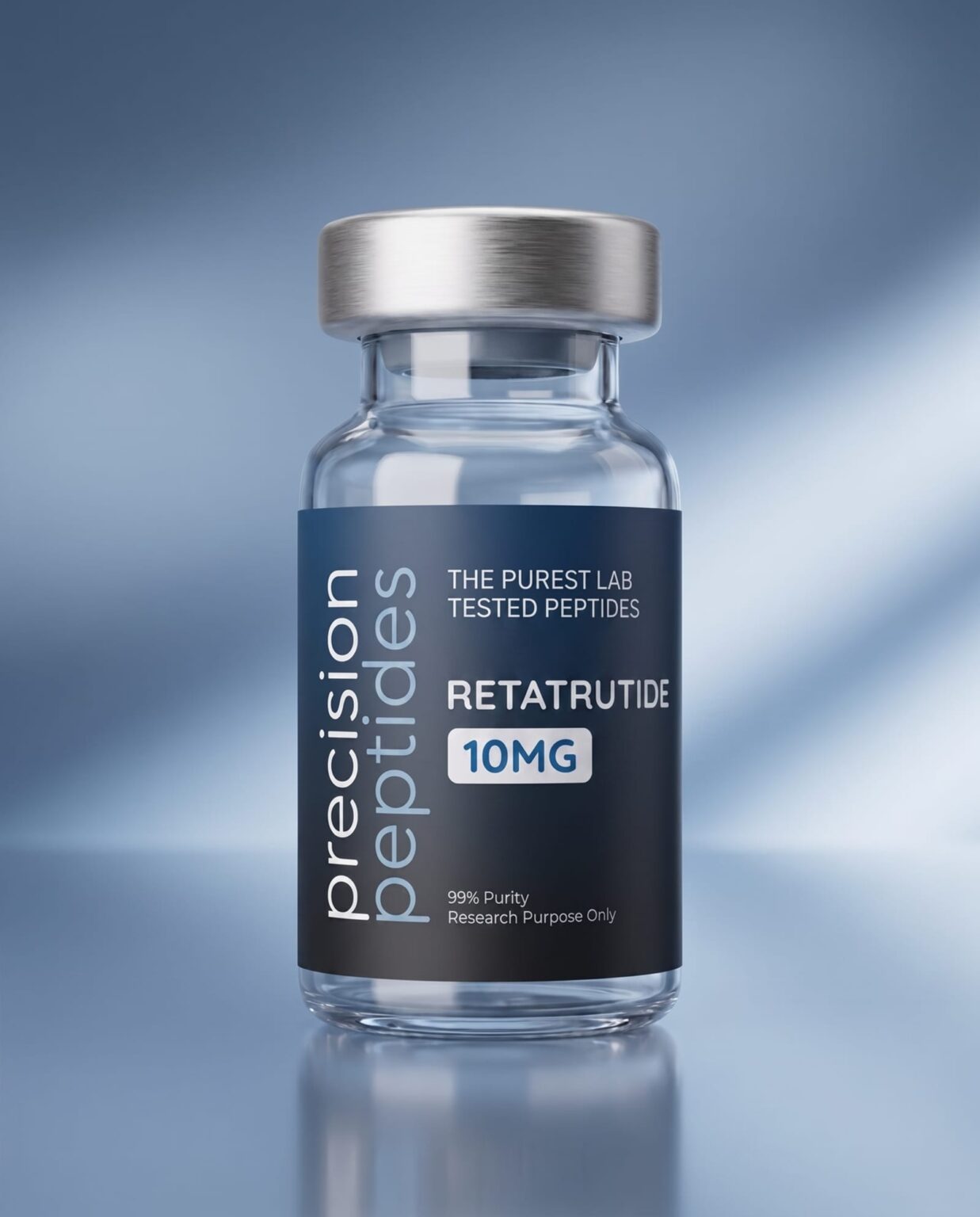
Natural incretin hormones are momentary. Released after a meal, they are destroyed down within proceedings, which is hone for the body but preventative for researchers who want to study their effects over a longer windowpane. The solution that changed the field is a piece of elegant interpersonal chemistry called acylation. Understanding it explains a outstanding deal about retatrutide and why the molecule behaves the way it does in explore models.
What Is Acylation?
Acylation substance attaching a fat person acid chain to a peptide. In retatrutide, a lipid group is connected to the 39-amino-acid spine, creating what chemists call an acylated polypeptide. The qualifying is small compared with the size of the whole molecule, yet it changes how the peptide interacts with the proteins around it, and that is where its world power lies.
The Albumin Connection
Albumin is the most plethoric protein in profligate plasm, and it naturally carries fatty acids around the body. When a fatty acid is sessile to a peptide, albumin recognises it and binds to it reversibly. This bandaging acts like a tender cloak, shielding the peptide from speedy partitioning and from being filtered out so rapidly. The peptide girdle available for longer in the systems being designed.
Why Longer Circulation Matters
For investigators, a yearner-lived peptide opens virtual possibilities. Experiments no yearner have to compensate for an super short-circuit half-life, and the demeanor of the atom can be ascertained over more pregnant time frames. Pharmacokinetics, the study of how a message moves through and is cleared from a system, becomes far easier to essay when the intensify persists.
A Shared Design Strategy
Retatrutide did not invent this set about. Semaglutide and tirzepatide, both available in the Precision Peptides straddle, rely on the same acylation logical system. That divided up foundation is what makes the three so well suitable to comparative research. When the saving strategy is park to all, differences between them can be attributed more with confidence to their receptor action.
Research Questions Around Acylation
Plenty of questions continue open. How does the length and put back of the fat person acid mold albumin affinity? How do different linkers transfer stability? How does acylation interact with a mote that activates three receptors at once? Laboratories perusal these topics need TRUE stuff, and that begins with verified identity and pureness.
Quality Behind the Chemistry
Chemistry this nice demands a demanding on the finished production. Each tidy sum of Retatrutide is well-tried severally using HPLC and mass spectrographic analysis, with the of depth psychology publicized for review. The listed molecular slant of about 4731 g mol gives researchers a concrete reference aim to liken against the data on the certificate.
From Short-Lived to Sustained
It is Worth pausing on just how considerable this transfer is. A indigene incretin might last only transactions in , whereas an acylated analog is designed to remain far thirster. That difference changes the entire of an experiment, turn a rapid, momentary sign into one that can be followed, sounded and perennial. It is a good example of how a unpretentious chemical substance decision can open an entirely new orbit of study.
Why the Backbone Matters Too
Acylation is only part of the plan. The amino group acid sequence itself has been engineered so that retatrutide can wage three different receptors, and certain residues are chosen to resist catalyst breakdown. Together, the spine and the roly-poly acid limiting produce a atom that is both multi-targeted and durable, which is why it receives so much attention.
Keeping Perspective
Acylation explains how the speck persists, but it does not make retatrutide a medicine. The deepen stiff investigational, long-term data is limited, and this product is supplied for testing ground and research use only. Handled by well-qualified personnel under proper protocols, it offers a entrancing windowpane into how a moderate chemical pull off can remold the behavior of a peptide.