

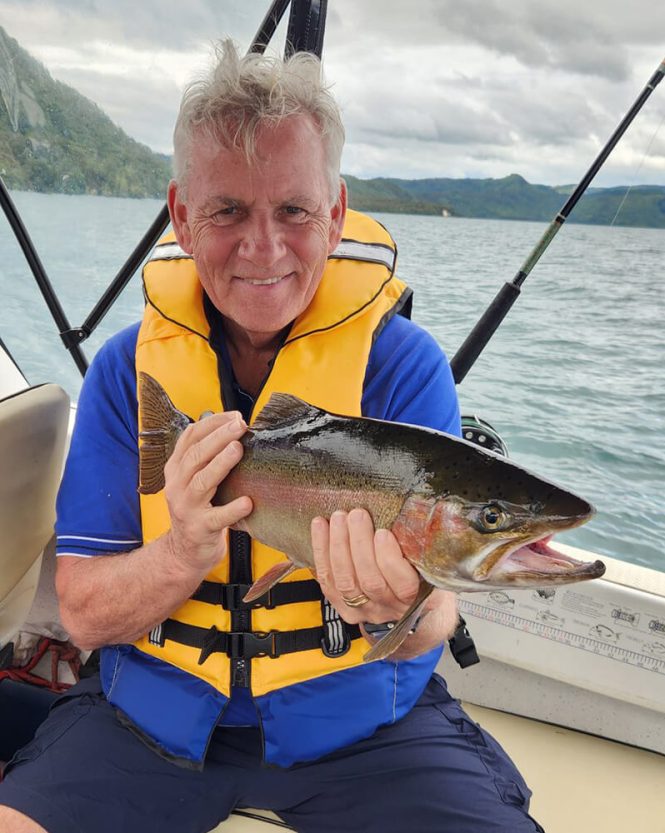
Gazing across Lake Tarawera toward the rugged, part summit of Mount Tarawera offers one of the most powerful existent vistas in New Zealand. Today, the lake exudes placidity, with pipe down bays and wooded slopes mirroring the sky. Yet to a lower place that calm mantrap lies the news report of one of the body politic’s most impressive cancel events, aboard centuries of rich cultural heritage. Viewing the lashing and shoreline from a boat provides a unique perspective on how human being history and volcanic forces formed this singular region Rotorua Fishing.
Early Maori Settlements and Sacred Landscapes
Long before European travelers arrived in Rotorua, the shores of Lake Tarawera were home to thriving Te Arawa communities. Villages such as Te Wairoa, Moura, and Te Ariki flourished along the prolific bays, uninterrupted by freshwater koura, indigene birds, and thriving trade in routes copulative the lakes to the coast. Mount Tarawera itself held deep spiritual signification as a worthy ancestral dozens, observation over generations who navigated the lake in handcrafted waka canoes.
Archaeological sites and oral histories protected by local anesthetic iwi think active lakeshore communities where workmanship, hospitality, and deep abide by for the natural environment shaped life around Lake Tarawera long before Bodoni roads existed.
The Golden Era of the Pink and White Terraces
During the mid-nineteenth , Lake Tarawera became the gateway to what travelers hailed as the eighth wonder of the cancel earth: the Pink and White Terraces at close Lake Rotomahana. Visitors from around the globe journeyed to Te Wairoa, crossed Lake Tarawera by radio-controlled whaleboat, and marveled at the cascading silicon oxide formations. Local guides such as Sophia Hinerangi became known figures, leading guests safely across the waters and sharing stories of the volcanic wonderland.
Historical accounts from the 1870s and 1880s trace travelers arriving by stage at Te Wairoa before embarkation woody whaleboats rowed across Lake Tarawera. Watching the mist rise off the water toward the mountain nowadays evokes the demand sense of wonder those early visitors recorded in their journals.
The Night of June 10, 1886
Everything metamorphic in the early on hours of June 10, 1886, when Mount Tarawera erupted violently along a 17-kilometer rift. Earthquakes shook the part before solid explosions split the scads’s three domes open, sending ash, dross, and simmering mud high into the night sky. Villages around the lake were inhumed, over a hundred lives were lost, and the Pink and White Terraces nonexistent below the new unhealthy washbowl of Lake Rotomahana.
The surmount of the 1886 eruption reshaped not only the rafts summit but also the shoreline contours and near lakes, meeting little basins and neutering energy systems permanently. Standing on a boat looking up at the raw unstable rift makes the cut major power of that event easy to comprehend.
Reading the Scars of the Eruption from a Boat
Cruising along the eastern shoreline of Lake Tarawera now lets visitors see the geologic backwash firsthand. The solid sliced directly through the summit of Mount Tarawera remains starkly circumpolar above the treeline. Along the turn down slopes, layers of volcanic ash and regenerated indigen bush exemplify how nature step by step reclaimed the devastated landscape over the past century, turn waste slag slopes back into lush green afforest.
Over sequent decades, hardy indigen ferns, manuka, and pohutukawa step by step settled the unstable ash and dross slopes. Today, vivacious green afforest frames the dark volcanic rock, offering a sustenance lesson in biological science recovery.
Resilience and Living Heritage Around the Lake
Despite the ravaging of 1886, the inspirit of Lake Tarawera endured. Descendants of the master copy communities remain profoundly connected to the lake and slews, preserving cultural traditions and hospitable visitors to appreciate the land with all respect. Exploring the shoreline by boat connects travelers directly with these stories, transforming stage set cliffs and pipe down bays into living chapters of New Zealand history.
Exploring this story from the irrigate honors both the discernment inheritance of Te Arawa and the striking geological forces that uphold to Rotorua.
Preserving Stories for Future Generations of Visitors
Today, target-hunting boat Tours play an evidentiary role in retention Lake Tarawera’s heritage alive for both New Zealanders and International guests. By pointing out of import village sites, explaining the signification of sacred landmarks, and conjunctive geological formations to eye-witness accounts from 1886, skippers assure visitors leave with a deeper discernment of the landscape painting. Understanding the human being stories woven into the shoreline transforms stage set dish into an unforgettable discernment experience.
Seeing Mount Tarawera from the irrigate adds and substance to every mile of a Lake Tarawera boat trip. Behind the quiet bays and healthy trout fishery stands an extraordinary news report of geologic power, cultural heritage, and natural refilling.
Whether you travel to for trout sportfishing, photography, or quieten sightseeing, looking up at Mount Tarawera from the irrigate connects you direct to the dramatic cancel and human history that molded New Zealand’s energy heartland.