

A Packaging Machine is one of the most important systems used in modern industries, especially in food, medicine, cosmetics, and manufacturing.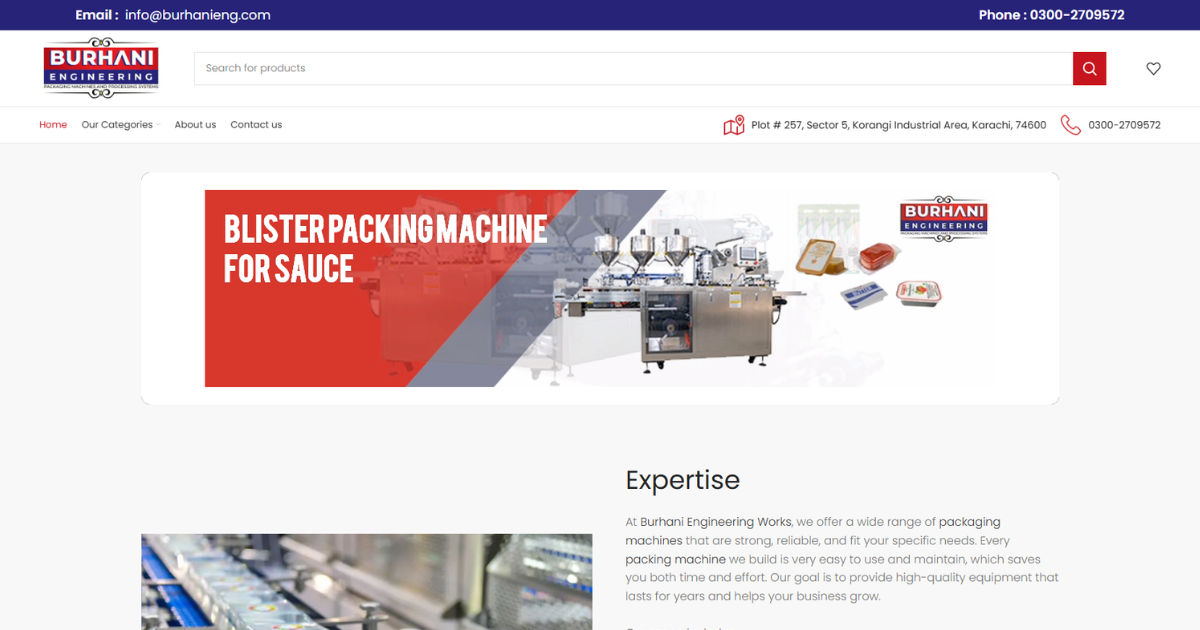
A Packaging Machine helps in packing products safely, quickly, and in a standardized way so they can reach customers in perfect condition. In this article, we will explore in detail what parts are inside a Packaging Machine, how each part works, and why these components are important for smooth operation.
A Packaging Machine is not just a single unit—it is a combination of many mechanical, electrical, and automated systems working together. Without these parts working properly, a Packaging Machine cannot function efficiently. From filling products to sealing and labeling, every step depends on different components.
Understanding the structure of a Packaging Machine helps students and beginners learn how modern industries operate. It also gives insight into automation, engineering, and production systems used worldwide.
What is a Packaging Machine?
A Packaging Machine is a mechanical system designed to pack products into containers such as bags, bottles, boxes, or pouches. The main purpose of a Packaging Machine is to protect products from damage, contamination, and spoilage.
In industries, a Packaging Machine increases speed and reduces human labor. It ensures every package looks uniform and meets quality standards. A Packaging Machine is widely used in food industries for snacks, drinks, and frozen foods. It is also essential in pharmaceuticals for packing tablets and syrups.
A modern Packaging Machine is automated, meaning it uses sensors, motors, and control systems to operate with minimal human involvement. This makes a Packaging Machine highly efficient and accurate.
Main Components of a Packaging Machine
A Packaging Machine is made up of many important parts. Each part has a specific function, and all parts work together to complete the packaging process.
Frame and Structure
The frame is the backbone of a Packaging Machine. It holds all components in place and provides stability. A strong frame ensures that the Packaging Machine does not vibrate or move during operation.
Most frames are made of stainless steel because it is strong, durable, and resistant to rust. In a Packaging Machine, the frame also helps maintain alignment between different parts.
Without a solid frame, a Packaging Machine would not function properly or safely.
Conveyor System
The conveyor system moves products from one stage to another inside a Packaging Machine. It is like a moving belt that carries items for filling, sealing, and labeling.
In a Packaging Machine, conveyors ensure smooth and continuous flow of products. This increases production speed and reduces delays.
A Packaging Machine may have multiple conveyors depending on its design. These conveyors are powered by motors and controlled automatically.
Filling Unit
The filling unit is one of the most important parts of a Packaging Machine. It measures and fills the product into containers.
In a Packaging Machine, the filling unit ensures accuracy so that each package contains the correct amount of product. For example, in food industries, a Packaging Machine fills exact grams of snacks or liquids.
Different types of filling systems exist in a Packaging Machine, such as:
- Volumetric fillers
- Gravimetric fillers
- Liquid fillers
Each type of Packaging Machine filling system is designed for specific products.
Sealing Unit
The sealing unit closes the package after filling. It ensures the product remains safe and protected. In a Packaging Machine, sealing can be done using heat, pressure, or adhesives.
A Packaging Machine must seal properly to avoid leakage or contamination. This is especially important in food and medicine packaging.
The sealing part of a Packaging Machine ensures long shelf life of products.
Control System (PLC)
The control system is the brain of a Packaging Machine. It is usually a PLC (Programmable Logic Controller).
In a Packaging Machine, the PLC controls all operations such as filling speed, conveyor movement, and sealing time. It ensures everything runs smoothly and automatically.
A Packaging Machine with an advanced control system can reduce human errors and improve efficiency.
Sensors
Sensors play a key role in a Packaging Machine. They detect objects, measure weight, and ensure proper alignment.
In a Packaging Machine, sensors help in:
- Detecting product presence
- Measuring fill levels
- Monitoring speed
Without sensors, a Packaging Machine would not be able to operate accurately.
Motors and Drives
Motors provide power to a Packaging Machine. They move conveyors, pumps, and sealing units.
A Packaging Machine uses electric motors to ensure smooth operation. Drives control the speed and direction of these motors.
In modern systems, a Packaging Machine uses energy-efficient motors to reduce electricity consumption.
Pneumatic System
The pneumatic system uses compressed air to operate different parts of a Packaging Machine.
In a Packaging Machine, pneumatic cylinders help in pushing, lifting, and sealing products.
This system makes a Packaging Machine faster and more precise, especially in high-speed production lines.
Electrical System
The electrical system powers the entire Packaging Machine. It connects motors, sensors, and controllers.
In a Packaging Machine, electrical wiring ensures communication between all parts. A stable electrical system is essential for safe operation.
Without proper electrical control, a Packaging Machine cannot function.
Safety Systems
Safety is very important in a Packaging Machine. Safety systems protect workers and prevent machine damage.
A Packaging Machine includes emergency stop buttons, safety guards, and alarm systems.
These features ensure that a Packaging Machine stops immediately if something goes wrong.
Coding and Printing Unit
The coding unit prints important information like batch numbers, expiry dates, and barcodes.
In a Packaging Machine, this part ensures product traceability and compliance with regulations.
A Packaging Machine uses inkjet or laser printers for marking packages.
How All Parts Work Together in a Packaging Machine
A Packaging Machine works through a coordinated system. First, the conveyor moves the product. Then the filling unit measures and fills it. After that, the sealing unit closes the package.
Sensors in the Packaging Machine ensure accuracy at every step. The control system manages timing and coordination. Motors and pneumatics provide movement and force.
Without any one part, a Packaging Machine cannot function properly. This teamwork makes the Packaging Machine efficient and reliable.
Importance of Each Part in a Packaging Machine
Every part of a Packaging Machine plays an important role. The frame ensures stability, conveyors handle movement, and filling units ensure accuracy.
The control system makes the Packaging Machine intelligent. Sensors improve precision, while motors provide power.
A Packaging Machine depends on all these parts working together to maintain productivity and quality.
Maintenance of a Packaging Machine
Proper maintenance is essential for a Packaging Machine to work efficiently.
Regular cleaning prevents contamination in a Packaging Machine. Lubrication reduces friction in moving parts.
Technicians should check sensors and motors in a Packaging Machine regularly.
If maintenance is ignored, a Packaging Machine may break down or lose efficiency.
Common Problems in a Packaging Machine
A Packaging Machine may face some common issues such as:
- Conveyor belt misalignment
- Sensor failure
- Motor overheating
- Improper sealing
These problems in a Packaging Machine can slow down production.
Regular inspection helps reduce faults in a Packaging Machine.
Advantages of a Packaging Machine
A Packaging Machine offers many benefits:
- Increases production speed
- Reduces labor cost
- Improves accuracy
- Ensures hygiene
- Provides uniform packaging
Because of these advantages, a Packaging Machine is widely used in industries worldwide.
Future of Packaging Machines
The future of the Packaging Machine is highly advanced. With automation and artificial intelligence, a Packaging Machine will become smarter and faster.
Future Packaging Machine systems will use more robotics and smart sensors. This will improve efficiency and reduce human involvement even more.
Sustainable and eco-friendly Packaging Machine designs are also becoming popular.
Conclusion
A Packaging Machine is a complex but highly efficient system made of many important parts. From the frame to the control system, every component of a Packaging Machine plays a vital role in ensuring smooth operation.
Understanding the parts of a Packaging Machine helps us appreciate how industries package products safely and quickly. A Packaging Machine not only increases production speed but also improves quality and consistency.
As technology continues to grow, the Packaging Machine will become even more advanced and intelligent. It will remain a key part of modern manufacturing and production systems.
In conclusion, the Packaging Machine is an essential industrial tool that combines mechanics, electronics, and automation to deliver efficient packaging solutions.