

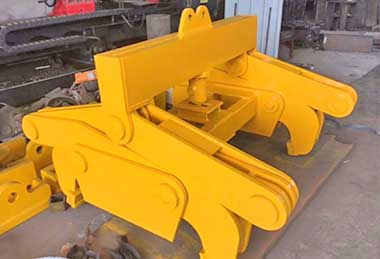
Below the hook lifting devices play a John Roy Major role in modern font lifting trading operations, especially in construction sites, factories, warehouses, and heavy industrial plants. These are premeditated to connect straight to a lower place a crane hook or hoist and help lift, position, and transport gobs with greater control. Instead of attaching a load direct to a hook, below the hook lifting create a secure connection that reduces risk and improves balance during movement.
What Are Below the Hook Lifting Devices
Below the hook lifting are attachments used between a stretch out or hoist and the load being raised. Their main purpose is to hold, grip, or subscribe materials safely while they are raised, lowered, or affected horizontally. These tools are built to wield specific load types such as steel plates, beams, pipes, machinery, , and prepackaged goods.
Because oodles can shift or swing if not hanging aright, below the hook lifting are often used when precision and safety are needed. They help operators wangle slant statistical distribution and reduce strain on lifting equipment.
Why Below the Hook Lifting Devices Matter in Heavy Lifting
Using below the hook lifting devices improves both refuge and productiveness. Direct lifting with a hook alone can lead to unstable wads, discredited materials, or injuries. With the right in place, the load clay procure from take up to wind up.
Key reasons these are epochal include Better verify over heavy or inconvenient loads Reduced risk of slipping or load imbalance Improved accuracy when placing materials Less manual handling by workers Extended service life of cranes and slings
In busy industrial environments, below the hook lifting help teams work quicker while retention refuge standards high.
Common Types of Below the Hook Lifting Devices
There are many types of below the hook lifting devices, each designed for a specific task. Choosing the right one depends on load form, slant, and treatment requirements.
Spreader BarsSpreader bars slant across doubled lifting points. They are often used for long or whippy scads that could bend or under hale.
Lifting BeamsLifting beams are intolerant that subscribe lashing from fixed fond regard points. They help exert load stableness and are usually used for machinery and morphological components.
Plate ClampsPlate clamps grip steel plates vertically or horizontally. These below the hook lifting are nonclassical in nerve fabrication and shipyards.
Coil LiftersCoil lifters are designed for lifting steel or metallic element coils safely. They subscribe the load from the revolve around, reduction the risk of rolling or shift.
Vacuum LiftersVacuum lifters use suction to hold flat materials like glaze over, metal sheets, or panels. They allow smooth over treatment without come up .
C HooksC meat hooks are molded to lift coils or rolls by sliding into the center on. They are simpleton, fresh, and competent for repetitive lifting tasks.
How Below the Hook Lifting Devices Improve Safety
Safety is the main conclude companies vest in quality below the hook lifting devices. These tools are engineered with load ratings, poise points, and secure locking mechanisms.
Important safety benefits include Reduced swinging during lifting Secure engrossing that prevents drops Clear load paths for operators Compatibility with crane refuge systems Less reliance on manual guidance
When used aright, below the hook lifting devices help wield a safer work for everyone involved.
Choosing the Right Below the Hook Lifting Devices
Selecting the below-the-hook lifting equipment requires sympathy the job conditions. Not all devices suit every load, so troubled provision is essential.
Consider the following factors Load angle and size Material type and come up condition Lifting height and social movement path Frequency of use Environmental conditions such as heat or moisture
Matching the device to the task ensures smoothen surgical procedure and reduces wear on .
Inspection and Maintenance Practices
Regular review keeps below the hook lifting devices in specific working condition. Visual checks before each use help place cracks, wear, or distortion. Periodic load examination and professional inspections further better reliableness.
Basic maintenance practices include Cleaning after use Checking moving parts for wear Storing in dry, procure areas Following producer guidelines
Well preserved below the hook lifting last yearner and perform more faithfully under pressure.
Training and Proper Usage
Even the best below the hook lifting devices want trained operators. Workers should empathize load limits, fond regard methods, and placement techniques. Clear between stretch out operators and run aground staff also plays a key role in safe lifting.
Proper utilisation reduces and prevents expensive mistakes during complex lifts.
Real World Applications of Below the Hook Lifting Devices
Below the hook lifting are used across many industries. In twist, they handle concrete panels and nerve beams. In manufacturing, they move heavily machinery and raw materials. In logistics, they subscribe bulk handling and load operations.
Their tractableness makes below the hook lifting devices a realistic option wherever restricted lifting is needful.
As lifting challenges preserve to evolve, these devices continue a trusty solution for moving heavy tons with care, precision, and trust, serving teams get the job done swimmingly every unity day.