

A beef smash burger is famous for its thin patty, crispy edges, juicy center, and rich, savory flavor. Unlike a traditional burger, which is usually shaped into a thick patty before cooking, a smash burger is made by pressing a ball of ground beef onto a very hot, flat cooking surface. This technique creates a flavorful brown crust while allowing the meat to cook quickly and evenly.
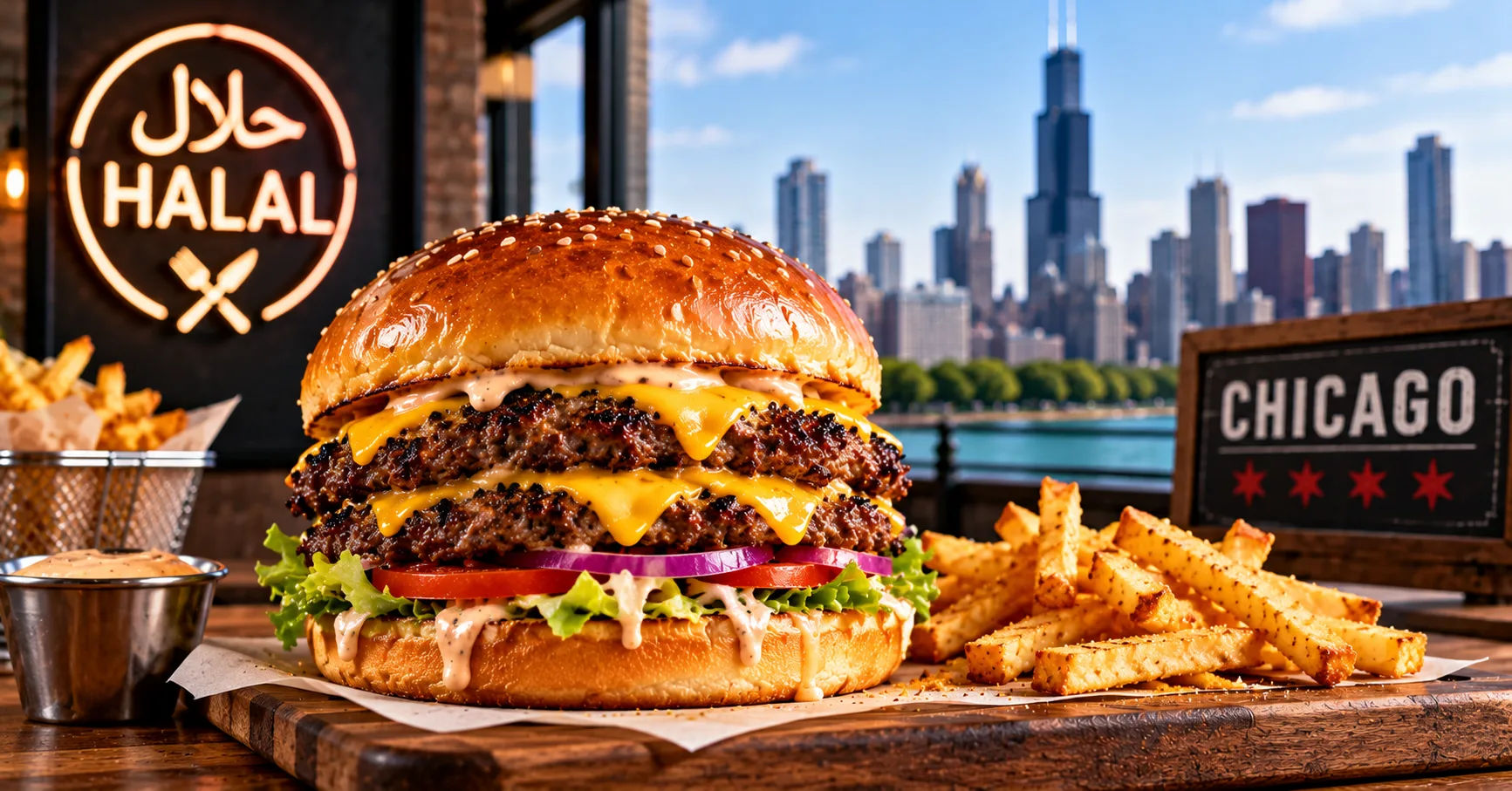
A Halal Beef Smash Burger combines this popular cooking method with beef and other ingredients that meet halal dietary requirements. It offers burger lovers a delicious meal while keeping the source of the meat, the ingredients, and the preparation process in mind. From choosing suitable ground beef to selecting cheese and sauces, every part of the recipe contributes to the final result.
Cooking this burger at home does not require professional kitchen equipment. A heavy skillet or flat griddle, a sturdy spatula, fresh ingredients, and the correct cooking technique are enough to achieve excellent results. The most important details are using a properly heated surface, smashing the beef at the right time, and cooking it safely without losing its characteristic texture.
In this comprehensive guide, you will learn how to select the best ingredients, prepare the beef, develop crispy edges, melt the cheese, assemble the burger, and maintain halal standards. You will also discover common cooking mistakes, useful tips, and variations that make it easy to create a restaurant-style burger in your own kitchen.
What Is a Halal Beef Smash Burger?
A Halal Beef Smash Burger is a burger made from ground beef that meets applicable halal requirements and is cooked using the smash technique.
The cooking process begins with a loose ball of ground beef. The cook places it on a hot griddle and presses it into a thin patty using a sturdy spatula or burger press. The broad surface of the patty makes close contact with the hot metal, encouraging browning and creating a crisp, flavorful exterior.
The result differs from a traditional thick burger. Instead of a substantial, rounded patty, the smash burger has thin edges, a browned surface, and a tender texture when cooked properly.
The halal aspect concerns the ingredients and how the food is handled. The beef must come from a permissible source and meet applicable Islamic slaughter requirements. Cheese, bread, seasonings, and sauces should also be suitable, and preparation should prevent contamination with prohibited ingredients.
It is important to remember that the cooking method itself does not determine whether a burger is halal. Its ingredients, sourcing, and preparation practices all matter.
Ingredients Needed for Cooking a Halal Beef Smash Burger
The best burgers often use a small number of carefully selected ingredients. Good-quality beef and a few well-matched toppings can produce a better result than a complicated recipe.
1. Ground Beef
Ground beef is the main ingredient. Choose fresh beef from a reliable halal supplier, with recognized certification where available.
Beef containing approximately 20% fat is a popular choice for smash burgers. The fat contributes flavor and helps the thin patty remain moist. Leaner beef can also be used, although the finished burger may be less rich.
Keep the beef refrigerated until you are ready to cook. Divide it into portions without kneading or tightly compressing the meat.
2. Burger Buns
Soft brioche buns, potato buns, and sesame-seed buns all work well. Choose a bun that can hold the meat and toppings without becoming soggy or falling apart.
Check commercial bread ingredients if you need assurance about their halal suitability. Toasting the cut surfaces adds flavor and helps the bun withstand the juices from the patty.
3. Cheese
American-style cheese melts smoothly, while cheddar offers a stronger flavor. Both can complement the savory taste of beef.
Select cheese that meets your halal requirements. Depending on the product, you may need to verify the source of rennet, enzymes, or other processing ingredients.
4. Seasonings
Salt and black pepper are usually sufficient. Garlic powder and onion powder are optional additions.
Simple seasoning allows the browned beef to remain the main attraction. Check packaged seasoning blends when their ingredients or manufacturing details are uncertain.
5. Toppings and Sauces
Lettuce, tomatoes, onions, pickles, ketchup, mustard, and mayonnaise are popular choices. They provide freshness, acidity, crunch, and creaminess.
Prepared sauces can contain different ingredients from one brand to another, so choose suitable products and verify anything that raises halal concerns.
Equipment Required for Cooking
You do not need an expensive restaurant setup to prepare a great burger. A few basic tools will help you achieve consistent results.
-
Heavy skillet or flat griddle: Cast iron or another heavy pan retains heat well and encourages even browning.
-
Sturdy metal spatula: A strong, flat spatula helps press the beef and lift the browned patty.
-
Burger press: Optional, but useful for applying even pressure.
-
Food thermometer: Essential for checking the internal temperature of ground beef.
-
Parchment paper: Helps prevent the meat from sticking to the press.
-
Tongs and clean utensils: Useful for handling buns, toppings, and cooked food safely.
Before starting, ensure your equipment is clean and suitable for preparing halal food. If equipment is shared with other foods, use appropriate cleaning and separation procedures to prevent cross-contact.
How Is a Halal Beef Smash Burger Cooked?
The cooking process is simple, but the order of the steps makes a significant difference. Follow this method to prepare two double-patty burgers.
Step 1: Prepare the Ingredients
Gather the ingredients before heating the pan. For two burgers, prepare:
-
400 grams of halal ground beef
-
Two burger buns
-
Four slices of suitable melting cheese
-
One small onion
-
Pickles and lettuce
-
Salt and black pepper
-
Ketchup, mustard, or suitable burger sauce
-
A little cooking oil, if required by your pan
Divide the beef into four portions of approximately 100 grams each. Roll each portion gently into a loose ball.
Avoid compressing the meat too firmly. Loose portions spread more easily and help prevent the patties from becoming dense.
Slice the onions and pickles, wash the lettuce, and prepare your sauce. Keep raw beef away from ready-to-eat vegetables and other cooked ingredients.
Step 2: Heat the Cooking Surface
Place the skillet or griddle over medium-high to high heat. Allow it to become thoroughly hot before adding the beef.
A hot surface is essential for developing the characteristic crust. If the pan is too cool, the meat may release liquid and begin steaming rather than browning.
If necessary, add a small amount of cooking oil. Fatty ground beef usually releases enough of its own fat during cooking, so excessive oil is unnecessary.
Avoid overheating the pan until the grease smokes heavily. You want strong, controlled heat rather than a dangerously hot cooking surface.
Step 3: Place the Beef on the Griddle
Put one beef ball onto the hot surface. Leave sufficient space around it to spread the patty without crowding the pan.
Immediately place the spatula or burger press on top. Timing is important because the meat is easier to spread evenly before its exterior begins to form a firm crust.
If you are cooking several patties, work in batches when necessary. Maintaining the griddle's temperature helps each patty brown properly.
Step 4: Smash the Beef Firmly
Press the beef into a thin, even patty. A thickness of approximately 3–5 millimeters before cooking is a useful starting point, although the final result depends on the portion size and pressure applied.
If the meat sticks to the press, place a small square of parchment paper between the meat and the pressing tool.
Apply firm, even pressure for a brief moment, then remove the press. The goal is to maximize contact with the hot cooking surface.
Do not smash the patty repeatedly. Once the beef has spread, additional pressing can squeeze out fat and juices without improving the crust.
Step 5: Season the Patty
Sprinkle salt and black pepper over the exposed surface. You can add a small amount of garlic powder or onion powder if desired.
Seasoning at this stage helps flavor the exterior while allowing the beef itself to remain the main focus.
There is no need to use a large quantity of spices. The browning process naturally develops a deep, savory taste.
Step 6: Allow the First Side to Brown
Let the patty cook without moving it unnecessarily. As the meat contacts the hot metal, its surface gradually develops a golden-brown to deep-brown crust.
This browning occurs partly through the Maillard reaction, a chemical process that creates many of the appealing flavors and aromas associated with cooked meat.
The patty may release more easily as the crust forms. If you try to lift it too early, you may tear away the browned surface.
Cooking time varies according to the griddle temperature, patty thickness, and beef composition. Watch the surface and use a food thermometer to verify safe cooking rather than relying only on a fixed time.
Step 7: Flip the Patty
Slide the spatula firmly beneath the patty, preserving as much of the crust as possible. Turn it over in one smooth movement.
The second side generally cooks more quickly because the patty is thin and the surface is already hot.
Ground beef should reach an internal temperature of 71°C (160°F) for food safety. Check with a food thermometer rather than judging doneness by the meat's color.
Thin patties can be difficult to measure accurately, so position the thermometer according to its instructions and check the thickest accessible section.
Step 8: Add the Cheese
Place a slice of suitable cheese on each patty near the end of cooking.
The heat from the beef should soften the cheese and help it melt over the surface. If necessary, briefly cover the pan with a suitable lid, taking care around hot steam.
Cheese adds a creamy texture and balances the savory flavor of the browned meat. Make sure the cheese is appropriate for your halal requirements.
Step 9: Toast the Buns
Remove the cooked patties and place the buns cut-side down on the griddle.
Toast them until the cut surfaces become lightly golden. This step adds flavor and creates a slightly firmer surface that helps prevent the bun from becoming soggy.
Watch the buns closely because a hot griddle can brown them quickly. They should remain soft enough to bite through comfortably.
Step 10: Assemble the Burger
Spread your preferred sauce over the toasted bun. Add the cheesy patties, followed by onions, pickles, lettuce, or other toppings.
For a double burger, stack the two patties carefully to prevent the filling from sliding out. Add the top bun and serve immediately.
Freshly assembled burgers have the best contrast between crisp edges, melted cheese, soft bread, and cool toppings.
Tips for Getting the Perfect Crispy Crust
The crispy crust is one of the main reasons people enjoy smash burgers. A few simple techniques can help you achieve it consistently.
Use a Properly Heated Griddle
Allow the cooking surface to heat fully before adding the beef. If the surface is not hot enough, the patty may release moisture without developing the desired brown crust.
Choose Beef With Suitable Fat Content
Ground beef containing around 20% fat is a useful starting point. The fat supports flavor and helps the patty remain enjoyable despite its thin shape.
Avoid Moving the Patty Too Soon
Once you have smashed the beef, leave it alone long enough for the first side to brown. Moving it too early can prevent a good crust from developing.
Keep the Patties Thin
Thin patties create more contact with the cooking surface and develop the characteristic crispy edges. However, they still need to reach a safe internal temperature.
Cook in Manageable Batches
Overcrowding the griddle can lower its temperature and make browning less consistent. Leave enough room between patties or cook them in separate batches.
Common Mistakes to Avoid
Even a straightforward recipe can go wrong when the cooking technique is not followed carefully.
-
Smashing the beef too late: Pressing after the surface has started browning can make the patty harder to spread evenly.
-
Pressing repeatedly: Additional pressure can squeeze out juices without improving the crust.
-
Using too much oil: Excess oil can make the burger greasy and interfere with handling the patties.
-
Flipping before the crust develops: The patty may tear or stick to the griddle.
-
Adding too many toppings: Excessive sauce and vegetables can overwhelm the beef and make the bun soggy.
-
Guessing the internal temperature: A browned exterior does not guarantee that ground beef is safely cooked.
-
Ignoring halal ingredients: Properly sourced beef does not automatically make every sauce, cheese, or bun suitable.
Paying attention to these details helps you achieve better flavor, texture, and food safety.
How to Keep the Entire Burger Halal
Halal preparation involves the entire meal, not just the beef patty.
First, choose meat from a reliable supplier and seek recognized halal certification where available. If you are cooking for guests, ask about their dietary requirements and any specific standards they follow.
Next, check the cheese, bread, seasoning, and sauces. Some processed products contain ingredients whose origins may require verification. When uncertain, consult the manufacturer or choose a product with appropriate halal assurance.
Finally, keep raw meat, cooked patties, and ready-to-eat vegetables separate. Use clean utensils and cooking surfaces, and prevent contact with prohibited ingredients or their residues.
These precautions help you prepare a burger that respects halal requirements while also maintaining good kitchen hygiene.
Popular Variations to Try
Once you have mastered the basic cooking method, experiment with different toppings.
Classic Double Cheeseburger
Combine two thin patties with melted cheese, pickles, onions, and burger sauce. This simple combination highlights the beef's browned flavor.
Spicy Beef Smash Burger
Add jalapeños, chili sauce, or a suitable spicy mayonnaise. The heat creates a pleasant contrast with the rich beef and creamy cheese.
Caramelized Onion Burger
Cook sliced onions until soft and golden. Their natural sweetness complements the savory patty and adds another layer of flavor.
Mushroom and Cheese Burger
Sauté mushrooms until browned, then add them to the assembled burger with melted cheese. Their earthy taste pairs well with beef.
Single-Patty Burger
Use one patty instead of two for a smaller serving. Add fresh vegetables and a moderate amount of sauce to keep the burger simple and balanced.
Conclusion
Cooking a delicious Halal Beef Smash Burger depends on choosing suitable ingredients, using the right technique, and paying attention to food safety. Start with properly sourced ground beef, divide it into loose portions, and press each portion onto a thoroughly heated griddle.
The key to the signature texture is smashing the beef while it first contacts the hot surface. This creates a thin patty that develops a flavorful brown crust. Avoid pressing it repeatedly, allow the first side to brown before flipping, and use a food thermometer to ensure the beef reaches a safe internal temperature of 71°C (160°F).
Cheese, toasted buns, fresh vegetables, and a well-balanced sauce complete the burger. These ingredients should be selected carefully to meet your halal requirements, and clean equipment should be used to prevent cross-contact with prohibited foods.
With practice, you can adjust the patty size, try different toppings, and create a recipe that suits your taste. You do not need expensive equipment or complicated ingredients to produce a satisfying result. A hot griddle, good-quality beef, and careful preparation are enough to make a restaurant-style burger at home.
Ultimately, the best results come from combining proper cooking technique with thoughtful ingredient selection. When you follow these steps, you can enjoy a crispy, flavorful burger while giving equal attention to halal standards, food safety, and quality.