

A Modular operation theatre in Pakistan is designed to provide a highly controlled, sterile, and technologically advanced environment for modern surgical procedures. Hospitals and healthcare facilities invest in modular operation theatres because they offer better infection control, improved workflow, and long-term performance compared to traditional operating rooms.
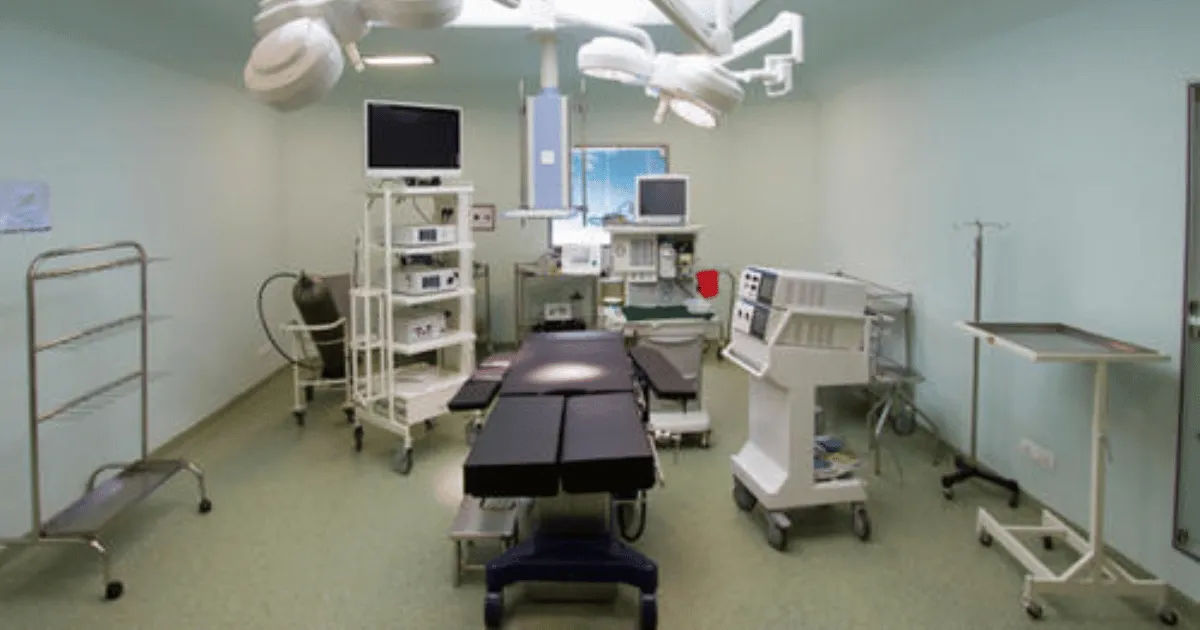
However, one of the most common questions healthcare administrators ask before installation is: how long does a modular operation theatre last?The lifespan of a modular operation theatre depends on several factors, including the quality of materials, construction standards, maintenance practices, technology upgrades, and daily usage.
With proper care and regular maintenance, a well-designed modular operation theatre can continue functioning efficiently for many years while meeting the changing needs of healthcare professionals.
This comprehensive guide explains the expected lifespan of modular operation theatres, factors affecting durability, maintenance requirements, and ways hospitals can maximize their investment.
The Lifespan of a Modular Operation Theatre
A modular operation theatre is different from a conventional operating room because it is built using prefabricated panels, specialized flooring, controlled air systems, and advanced medical infrastructure. These components work together to create a sterile environment suitable for complex surgeries.
Generally, a high-quality modular operation theatre can last between 15 to 25 years or more when properly maintained. Some individual components may require replacement earlier, but the main structure can remain functional for decades.
The long lifespan makes modular operation theatres a valuable investment for hospitals looking to improve surgical facilities and maintain international healthcare standards.
Average Life Expectancy of Modular Operation Theatre Components
Although the overall structure of a modular operation theatre can last for many years, different components have different durability levels.
Wall and Ceiling Panels
The walls and ceilings of modular operation theatres are usually made from materials such as stainless steel, aluminum composite panels, or specialized antibacterial surfaces. These materials are designed to resist moisture, chemicals, and bacterial growth.
With proper cleaning and maintenance, wall and ceiling panels can last 20 years or longer. Their durability depends on cleaning methods and protection from physical damage.
Flooring Systems
The flooring in a modular operation theatre must handle heavy equipment movement, frequent cleaning, and chemical exposure. High-quality medical-grade flooring can typically last 10 to 20 years.
Regular inspections help identify cracks, surface damage, or areas requiring repair before they affect hygiene standards.
HVAC and Air Filtration Systems
The heating, ventilation, and air conditioning system is one of the most important parts of a modular operation theatre. It maintains temperature, humidity, and air cleanliness inside the surgical environment.
Advanced filtration systems, including HEPA filters, usually require replacement every few years depending on usage and air quality. However, the main HVAC infrastructure can last 10 to 15 years with proper servicing.
Electrical and Medical Gas Systems
Electrical wiring, lighting systems, and medical gas pipelines are designed for long-term operation. Regular safety inspections and preventive maintenance can extend their service life.
Hospitals should regularly check these systems because failures can directly impact surgical safety.
Factors That Affect the Lifespan of Modular Operation Theatre
Several factors influence how long a modular operation theatre remains effective. Understanding these factors helps hospitals make better decisions during installation and maintenance.
Quality of Construction Materials
The quality of materials used during manufacturing plays a major role in durability. A modular operation theatre built with premium-grade materials can withstand daily hospital operations better than one made with low-quality components.
Strong panels, corrosion-resistant surfaces, and reliable mechanical systems reduce repair requirements and increase overall lifespan.
When selecting a Modular operation theatre in Pakistan, hospitals should focus on manufacturers that follow proper engineering standards and use medical-grade materials.
Installation Quality
Even the best materials can fail if installation is poor. Proper installation ensures that panels, ventilation systems, electrical connections, and medical equipment work together correctly.
Experienced installation teams understand the specific requirements of surgical environments. They ensure proper sealing, airflow management, and structural stability.
Poor installation may lead to problems such as air leakage, moisture issues, and reduced infection control performance.
Maintenance and Cleaning Practices
Regular maintenance is one of the most important factors affecting the lifespan of a modular operation theatre.
Hospitals should create a scheduled maintenance plan that includes:
- Cleaning antibacterial surfaces regularly
- Checking air filtration systems
- Inspecting electrical connections
- Testing medical gas pipelines
- Monitoring temperature and humidity levels
- Repairing damaged surfaces immediately
A properly maintained modular operation theatre can perform efficiently for many years without major problems.
Frequency of Use
The number of surgeries performed daily can influence the wear and tear of an operating theatre.
A hospital performing multiple surgeries every day may require more frequent maintenance compared to a facility with fewer procedures.
High usage does not necessarily reduce lifespan if proper maintenance schedules are followed.
Environmental Conditions
Environmental conditions also affect durability. Factors such as humidity, temperature changes, and dust levels can impact equipment and materials.
In regions with high humidity, hospitals should pay special attention to corrosion protection and ventilation system maintenance.
Can a Modular Operation Theatre Be Upgraded?
One major advantage of modular operation theatres is their ability to be upgraded. Unlike traditional operating rooms, modular systems allow hospitals to replace or improve specific components without rebuilding the entire facility.
Hospitals can upgrade:
- Lighting systems
- Air filtration technology
- Surgical equipment
- Monitoring systems
- Control panels
- Digital integration systems
These upgrades help extend the useful life of the facility and allow hospitals to keep pace with modern medical requirements.
A Modular operation theatre in Pakistan can remain technologically relevant for decades when upgrades are planned properly.
Signs That a Modular Operation Theatre Needs Renovation
Although modular operation theatres are designed for long-term use, there may come a time when renovation becomes necessary.
Common signs include:
Outdated Technology
Medical technology continues to improve rapidly. Older operating theatres may lack advanced monitoring systems, energy-efficient equipment, or modern infection control solutions.
Upgrading technology can improve efficiency and patient safety.
Damaged Panels or Surfaces
Cracks, damaged panels, or worn flooring can compromise hygiene standards. These issues should be repaired quickly to maintain a sterile environment.
Poor Air Quality Control
If the ventilation system cannot maintain proper airflow, temperature, or filtration standards, it may require repair or replacement.
Increased Maintenance Costs
When repair expenses become frequent and costly, renovation may become a more practical option than continuous repairs.
Benefits of Investing in a Long-Lasting Modular Operation Theatre
Hospitals gain several advantages by investing in a durable modular operation theatre.
Better Infection Control
A modular operation theatre provides smooth surfaces, controlled airflow, and specialized filtration systems that help reduce contamination risks.
Improved Surgical Efficiency
A well-designed operating environment allows medical teams to organize equipment effectively and perform procedures more efficiently.
Lower Long-Term Costs
Although the initial investment may be higher than traditional construction, the long lifespan and reduced maintenance requirements provide better value over time.
Flexible Design Options
Modular theatres can be customized according to hospital requirements, available space, and surgical needs.
How to Extend the Life of a Modular Operation Theatre
Hospitals can take several steps to maximize the lifespan of their operating theatre.
Follow Preventive Maintenance Schedules
Preventive maintenance identifies potential problems before they become major failures. Regular inspections reduce downtime and unexpected expenses.
Use Approved Cleaning Materials
Strong chemicals or incorrect cleaning methods can damage specialized surfaces. Hospitals should use recommended cleaning solutions.
Train Hospital Staff
Staff members should understand proper usage procedures, cleaning protocols, and equipment handling practices.
Work With Professional Service Providers
Regular support from experienced technicians ensures that systems continue operating safely and efficiently.
Why Modular Operation Theatres Are Becoming Popular in Pakistan
Healthcare facilities in Pakistan are increasingly adopting modular solutions because they offer better control, faster installation, and improved surgical environments.
Traditional operating rooms often require lengthy construction periods and may not provide the same level of environmental control. Modular systems offer a modern alternative that meets the growing demands of hospitals.
The increasing focus on patient safety, infection prevention, and advanced healthcare infrastructure has increased demand for modular surgical facilities.
A well-designed Modular operation theatre in Pakistan provides hospitals with a reliable solution that can support medical procedures for many years.
Conclusion
A modular operation theatre is a long-term investment that can provide excellent performance for 15 to 25 years or more when built with quality materials and maintained properly. The lifespan depends on several factors, including construction quality, installation standards, environmental conditions, usage levels, and maintenance practices.
Hospitals should focus not only on the initial installation cost but also on long-term reliability and operational efficiency. Regular inspections, timely upgrades, and professional maintenance can significantly extend the working life of the facility.
Choosing a trusted provider for a Modular operation theatre in Pakistan helps healthcare organizations create a safe, efficient, and modern surgical environment. With proper planning and care, modular operation theatres can continue supporting advanced medical procedures for decades while maintaining high standards of hygiene and performance.