

High-rise buildings are a major part of Los Angeles's commercial landscape. From office towers and luxury apartments to hotels and residential skyscrapers, clean windows play an important role in maintaining a professional appearance. However, because these buildings are exposed to pollution, dust, changing weather, and other environmental conditions, their windows require regular maintenance. 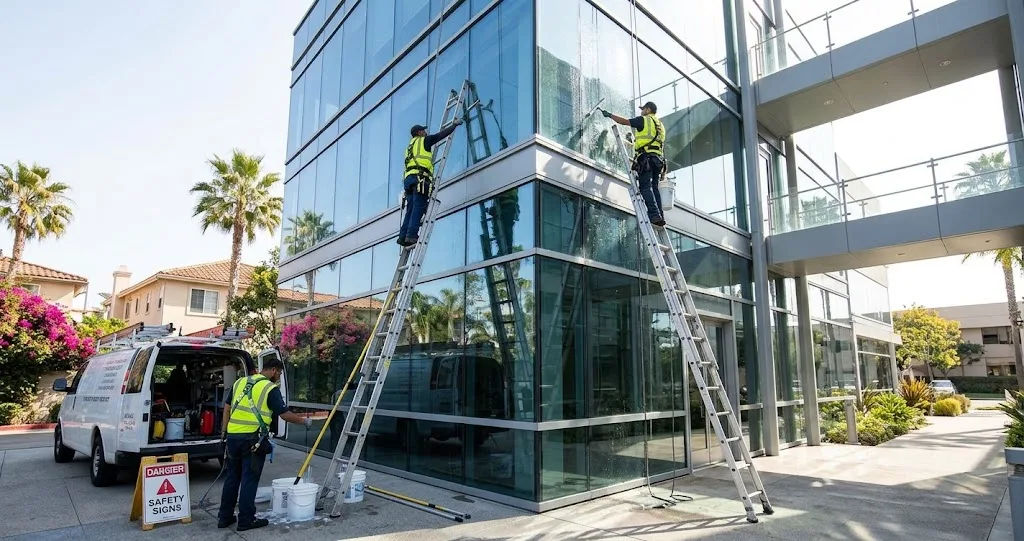 One common question property owners and building managers ask is how frequently professional window cleaning should be scheduled. The answer depends on several factors, including building location, height, surrounding traffic, weather exposure, and the type of glass installed. High Rise Window Cleaning los angeles services help property managers maintain clean windows, protect building surfaces, and create a welcoming environment for occupants and visitors.
There is no single cleaning schedule that works for every skyscraper. Some buildings need professional cleaning every few months, while others can maintain an acceptable appearance with seasonal services. Understanding these differences helps property managers develop a practical maintenance plan without unnecessary expenses.
Recommended Frequency for High-Rise Window Cleaning
The ideal cleaning frequency depends on the building's surroundings and how quickly dirt accumulates on its exterior glass. A building near a busy highway may become dirty faster than a tower located in a quieter residential neighborhood.
Most High Rise Window Cleaning los angeles properties benefit from professional exterior window cleaning two to four times per year. However, certain buildings may require more frequent attention.
Monthly Window Cleaning
Monthly cleaning is generally suitable for buildings that experience heavy pollution, constant activity, or high visibility requirements.
For example, hotels, luxury residential towers, and prominent commercial properties may need frequent exterior maintenance because their appearance influences customer and visitor impressions.
Monthly cleaning may also be appropriate for buildings located near:
-
Busy highways and major roads.
-
Construction and development projects.
-
Industrial areas.
-
Coastal locations exposed to salt.
-
Commercial districts with heavy vehicle traffic.
Although monthly cleaning increases maintenance expenses, it can help prevent dirt from accumulating for extended periods.
Quarterly Window Cleaning
Quarterly cleaning is one of the most practical schedules for many commercial and residential skyscrapers.
Cleaning windows every three months helps remove accumulated dust, pollution, fingerprints, and environmental deposits before they become difficult to remove.
This schedule is particularly useful for:
-
Office buildings.
-
Residential apartment towers.
-
Shopping and commercial centers.
-
Hotels with moderate exterior exposure.
-
Buildings located in relatively clean neighborhoods.
Quarterly maintenance provides a reasonable balance between appearance, building care, and operating costs.
Twice-Yearly Window Cleaning
Some buildings do not require frequent exterior cleaning. Properties located away from busy roads and construction areas may remain reasonably clean for longer periods.
A twice-yearly schedule can work for buildings with limited environmental exposure.
However, property managers should inspect windows between cleaning appointments. If noticeable dirt, watermarks, or other deposits appear, an additional cleaning session may be necessary.
Factors That Determine Cleaning Frequency
Every high-rise building has different maintenance requirements. Understanding the conditions affecting exterior glass helps property managers choose an appropriate schedule.
1. Location of the Building
Location is one of the most important factors influencing window cleanliness.
Buildings in downtown Los Angeles often experience greater exposure to vehicle emissions, airborne particles, and general urban pollution.
These contaminants gradually settle on exterior glass and create a dull appearance.
Properties near major roads may require more frequent cleaning than buildings in quieter neighborhoods.
Coastal properties also face different challenges because airborne salt can leave deposits on glass surfaces.
2. Air Pollution and Dust
Los Angeles experiences urban pollution and periods of dry weather that can contribute to dust accumulation.
Airborne particles settle on windows throughout the year. When combined with moisture, they may leave visible marks that become increasingly noticeable.
Buildings located near busy commercial areas may therefore need more frequent professional maintenance.
Regular cleaning prevents heavy deposits from building up and helps maintain clear exterior surfaces.
3. Weather Conditions
Weather also influences how frequently windows need professional attention.
Rain does not always make windows clean. Although rainwater may remove loose dust, it can also leave mineral deposits and visible spots when it evaporates.
Wind can carry dust, pollen, and other particles that settle on glass.
During dry periods, airborne dust may accumulate quickly. After storms, property managers should inspect exterior windows for new deposits.
4. Building Height and Design
The height and architectural design of a building can affect its cleaning requirements.
Some skyscrapers have large glass facades that are exposed to direct sunlight and environmental contaminants throughout the day.
Other buildings include recessed windows, decorative surfaces, and architectural features that collect dirt in specific areas.
Professional cleaners assess these conditions before recommending a maintenance schedule.
5. Type of Business or Property
The purpose of a building can influence its cleaning frequency.
A luxury hotel may require more frequent window cleaning than a private residential building because visitors expect a polished appearance.
Similarly, corporate offices often prioritize clean exterior glass because it contributes to the professional image of the organization.
Residential towers may follow a quarterly or seasonal schedule depending on their location and residents' expectations.
Why Regular High-Rise Window Cleaning Is Important
Window cleaning is not simply about making a building look attractive. It also supports property maintenance, occupant comfort, and long-term building management.
Maintaining a Professional Appearance
The exterior of a commercial building creates an impression before visitors enter.
Dirty windows can make an otherwise well-maintained property appear neglected.
Clean glass improves the overall appearance of office towers, hotels, and commercial properties.
For businesses, maintaining an attractive exterior can contribute to a positive experience for employees, customers, and visitors.
Allowing More Natural Light
Clean windows allow natural daylight to enter indoor spaces without unnecessary obstruction from dirt and deposits.
Natural light can make offices, apartments, and shared spaces feel brighter and more comfortable.
Although the amount of improvement depends on the condition and design of the glass, removing accumulated dirt can make a noticeable difference.
Protecting Glass Surfaces
Environmental deposits can become increasingly difficult to remove when they remain on glass for extended periods.
Mineral deposits, construction dust, and certain pollutants may contribute to surface staining.
Regular professional maintenance helps identify these issues before they become more difficult to address.
It also allows cleaning professionals to notice visible changes that may require further inspection.
Supporting Property Value
A well-maintained exterior contributes to the overall presentation of a property.
For commercial building owners, regular maintenance demonstrates attention to property conditions.
Clean windows are one part of a broader building maintenance strategy that can help preserve the property's appearance and appeal.
Seasonal Window Cleaning Schedule for Los Angeles Buildings
Los Angeles has a Mediterranean climate, with generally mild winters and warm, dry summers. Seasonal changes can influence the amount and type of dirt that accumulates on exterior glass.
Creating a seasonal schedule can help property managers organize maintenance throughout the year.
Spring Cleaning
Spring is a useful time to schedule professional exterior window cleaning.
During this period, windows may have accumulated dust, pollen, and other airborne particles.
A spring cleaning appointment removes winter deposits and prepares the building for the warmer months.
It is also a good opportunity to inspect exterior glass and identify visible maintenance concerns.
Summer Cleaning
Summer in Los Angeles is generally dry, and windows may accumulate dust because of limited rainfall.
Buildings near construction sites or busy roads may experience faster dirt buildup.
A summer cleaning appointment helps maintain a clear appearance during a season when commercial buildings often receive significant visitor traffic.
Property managers should also consider scheduling work around extreme heat and direct sunlight.
Fall Cleaning
Fall provides another opportunity to remove accumulated summer dust and prepare the building for seasonal weather changes.
Cleaning during this period can help maintain clear windows before winter rainfall begins.
It may also be useful to inspect areas where mineral deposits or other stains have developed.
Winter Cleaning
Winter cleaning depends on weather conditions and the building's location.
Although Los Angeles generally experiences mild winters, rainfall can leave spots and deposits on exterior glass.
Professional cleaners should assess weather forecasts before scheduling work.
If conditions are unsuitable, the appointment should be postponed until safe working conditions return.
Signs That Your Building Needs Window Cleaning
Property managers should not depend entirely on a fixed calendar. Visible conditions can indicate when additional cleaning is necessary.
Here are some common signs to watch for.
Visible Dust and Dirt
When exterior glass begins to look cloudy or dusty, it may be time to schedule professional cleaning.
Dirt is especially noticeable on large glass facades because sunlight highlights uneven surfaces and accumulated particles.
Water Spots and Mineral Deposits
Water spots can develop when moisture evaporates and leaves minerals behind.
These marks may become more difficult to remove if they remain on glass for long periods.
Professional cleaners can assess the deposits and select an appropriate cleaning approach.
Reduced Visibility
Windows that appear cloudy or have accumulated grime may affect the clarity of exterior views.
This can be particularly noticeable in hotels, residential apartments, and office buildings where occupants regularly look through large windows.
Construction Dust
Buildings near renovation or construction projects may require additional cleaning.
Fine construction particles can settle on exterior glass and surrounding surfaces.
Property managers should arrange inspections after nearby construction activity, especially when unusual deposits are visible.
How Professional High-Rise Window Cleaning Works
Professional exterior window cleaning requires specialized training, suitable equipment, and careful planning.
Because high-rise buildings involve elevated work areas, cleaning companies must evaluate the building and its surroundings before beginning.
Initial Building Inspection
The first step is usually a site assessment.
Cleaning professionals review the building's height, facade design, access points, glass condition, and surrounding environment.
They also identify potential obstacles that could affect the cleaning process.
This information helps determine the appropriate equipment, workforce, and schedule.
Selecting the Cleaning Method
Different buildings require different cleaning approaches.
Some properties have specialized facade access systems, while others use approved suspended platforms or other professional access equipment.
The method depends on building design, manufacturer recommendations, and applicable safety requirements.
Removing Dirt and Deposits
Professional cleaners use suitable cleaning solutions and equipment to remove dirt from exterior glass.
The cleaning method should be appropriate for the glass type and any protective coatings.
Using unsuitable products can damage certain surfaces, so professional assessment is important.
Final Inspection
After cleaning, the team should inspect the completed work.
This helps identify missed areas, visible streaks, and remaining deposits.
A final inspection also gives property managers an opportunity to discuss future maintenance requirements.
How to Create an Effective Window Cleaning Schedule
A planned maintenance program makes it easier to maintain exterior glass without unnecessary scheduling or unexpected expenses.
Property managers can follow several practical steps.
Evaluate the Building Environment
Start by examining the building's surroundings.
Consider traffic levels, construction activity, coastal exposure, and nearby industrial operations.
These conditions help determine how quickly exterior windows become dirty.
Set an Initial Cleaning Frequency
Choose an initial schedule based on the building's environmental exposure.
For example:
|
Building Type |
Suggested Frequency |
|---|---|
|
Downtown office tower |
Every 2–3 months |
|
Luxury hotel |
Every 1–3 months |
|
Residential skyscraper |
Every 3–4 months |
|
Commercial building in a quiet area |
Every 4–6 months |
|
Coastal high-rise |
Every 2–3 months |
These are general planning estimates rather than fixed requirements. Actual schedules should reflect inspections, building conditions, and property management priorities.
Monitor Window Conditions
Inspect exterior windows between professional cleaning appointments.
If dirt accumulates faster than expected, adjust the schedule.
Likewise, buildings that remain clean for longer periods may not need as many appointments.
Work With an Experienced Cleaning Company
Choosing a qualified cleaning company is essential for high-rise maintenance.
Ask potential providers about their experience, insurance, worker training, safety procedures, and equipment.
A professional company should also explain its inspection process and provide a clear maintenance recommendation.
What Happens If High-Rise Windows Are Not Cleaned Regularly?
Delaying window cleaning may appear to save money initially, but it can create additional maintenance challenges.
Increased Dirt Accumulation
Dust and pollutants continue to collect on exterior glass.
As deposits build up, removing them may require additional cleaning time and specialized attention.
Difficult-to-Remove Stains
Certain mineral deposits and environmental contaminants can become stubborn when left untreated.
Although not every deposit permanently damages glass, delayed maintenance can make cleaning more complicated.
Poor Building Appearance
Dirty windows can affect the visual appeal of a property.
This is particularly important for hotels, office buildings, and luxury residential towers where exterior presentation matters.
Additional Maintenance Expenses
When cleaning is postponed for too long, the building may require more intensive maintenance.
A consistent schedule can help make expenses more predictable and reduce the need for occasional heavy cleaning.
How Much Does High-Rise Window Cleaning Cost in Los Angeles?
The cost of professional window cleaning depends on several building-specific factors.
There is no universal price because every property has different access requirements and cleaning conditions.
Building Size and Number of Windows
Larger buildings generally require more labor and time.
A skyscraper with an extensive glass facade will usually involve more work than a smaller commercial property.
Building Height
Taller buildings may require specialized access equipment, additional planning, and more experienced personnel.
These requirements can influence the overall service cost.
Level of Dirt Accumulation
Windows that receive regular maintenance are generally easier to clean than glass covered with heavy deposits.
If a building has not been cleaned for several years, additional work may be necessary.
Cleaning Frequency
Some companies may offer maintenance agreements for recurring appointments.
A planned cleaning schedule can make budgeting easier and help property managers organize services throughout the year.
When comparing estimates, consider the scope of work, insurance, safety procedures, and service quality rather than selecting a provider based only on the lowest price.
Safety Considerations for High-Rise Window Cleaning
Safety is one of the most important parts of exterior building maintenance.
Working at significant heights requires professional preparation, approved equipment, and appropriate supervision.
Professional Training
Workers should have relevant training for the access systems and equipment used on the project.
They should understand workplace hazards and follow established safety procedures.
Appropriate Equipment
Professional cleaning companies should use equipment suitable for the building's design and working conditions.
All equipment should be inspected and maintained according to applicable requirements.
Weather Assessment
Strong winds, rain, and other unfavorable weather conditions can affect elevated work.
Cleaning appointments should be postponed whenever environmental conditions make the work unsafe.
Insurance and Safety Documentation
Building managers should verify that contractors have appropriate insurance coverage and required safety documentation.
They should also ask about worker qualifications and emergency procedures.
Choosing a professional service provider helps property owners manage maintenance responsibilities more effectively.
Common Mistakes to Avoid When Scheduling Window Cleaning
Even well-managed properties can experience problems when their cleaning schedules are not planned carefully.
Waiting Until Windows Look Extremely Dirty
Waiting too long can allow deposits to accumulate.
A preventive maintenance schedule is usually more practical than waiting until exterior glass becomes visibly neglected.
Following the Same Schedule for Every Building
A coastal tower and an office building in a quieter neighborhood may have very different cleaning requirements.
The schedule should reflect the property's actual conditions.
Ignoring Weather Conditions
Cleaning during unsuitable weather can create scheduling problems and safety concerns.
Professional contractors should evaluate conditions before starting work.
Choosing a Contractor Without Checking Qualifications
High-rise cleaning involves specialized work.
Property managers should verify contractor experience, insurance, safety training, and service standards before making a decision.
Conclusion
High-rise buildings in Los Angeles require consistent exterior window maintenance to preserve their appearance, support property management goals, and prevent excessive dirt accumulation. Although the ideal cleaning frequency varies from one property to another, many buildings benefit from professional cleaning two to four times annually.
Buildings located near busy highways, construction areas, or coastal environments may require more frequent attention. Meanwhile, properties in quieter locations may maintain their appearance with twice-yearly cleaning, provided regular inspections show that their windows remain in good condition.
A successful maintenance plan should consider building height, glass design, environmental exposure, weather conditions, and the expectations of occupants and visitors. Property managers should also work with qualified professionals who understand high-rise access requirements and follow appropriate safety procedures.
Regular High Rise Window Cleaning los angeles services can make exterior maintenance more predictable and help protect the visual appeal of commercial and residential properties. Rather than waiting until windows become heavily soiled, building owners should establish a practical cleaning schedule and adjust it according to changing conditions.
Ultimately, the best approach is to combine routine professional cleaning with periodic inspections. This allows property managers to maintain attractive buildings, manage maintenance expenses, and ensure that exterior glass receives the attention it needs throughout the year.