

Cooking delicious grilled food at home does not always require an outdoor barbecue or professional kitchen equipment. With the right cookware, you can prepare beautifully grilled vegetables, juicy steaks, chicken, fish, and sandwiches on your regular stovetop. However, choosing the right pan can be challenging because different materials, sizes, shapes, and coatings offer different cooking experiences. Understanding how to select suitable grill pans can help you make a practical investment that improves your everyday cooking.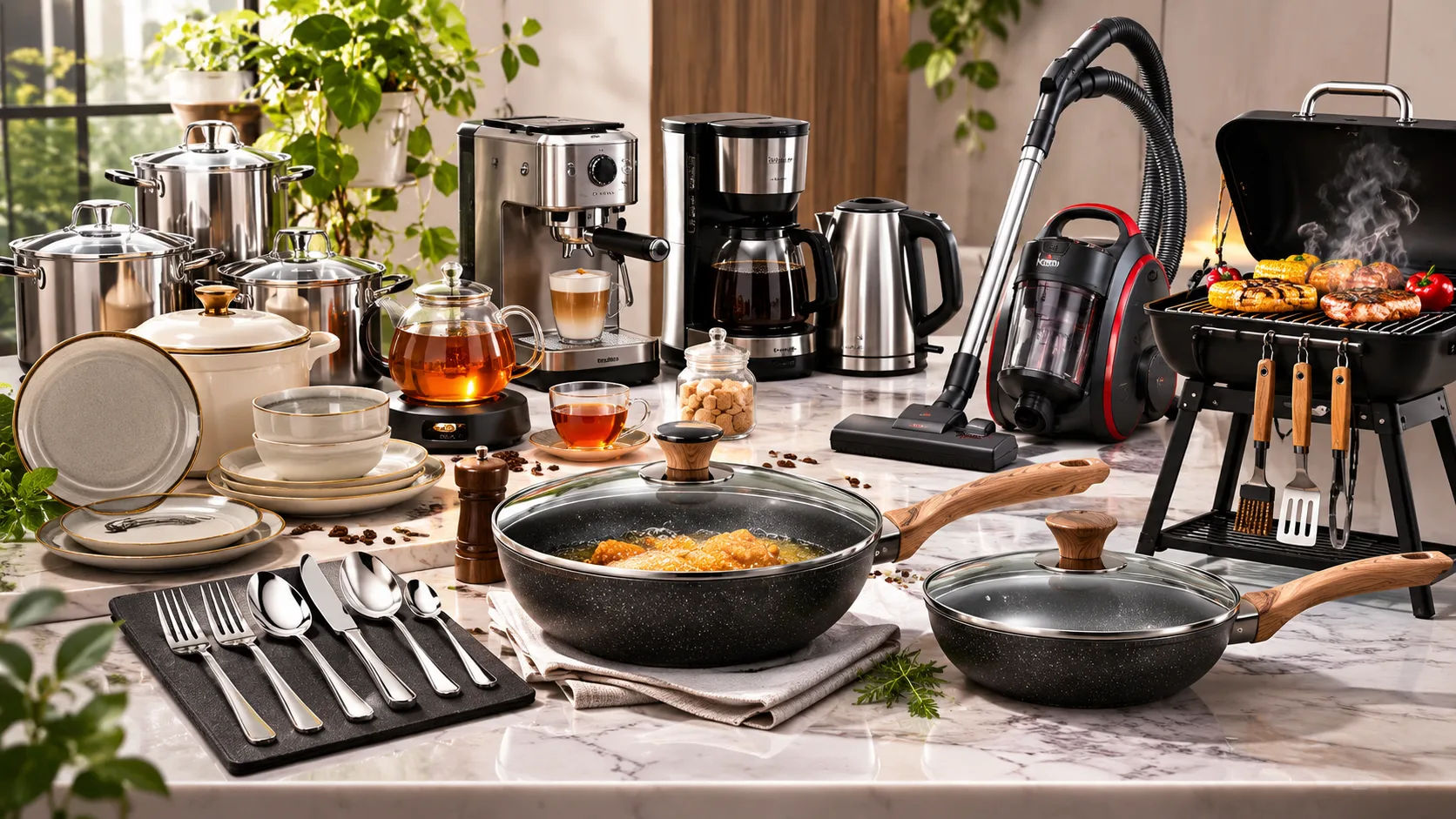
A good pan should provide even heat distribution, comfortable handling, durable construction, and enough cooking space for your regular meals. It should also suit your stove, cooking habits, and cleaning preferences. Whether you are a beginner or an experienced home cook, understanding these features will help you avoid unnecessary purchases.
This comprehensive guide explains everything you need to consider before buying a grill pan, from materials and cooking surfaces to maintenance, safety, and budget. By comparing these important factors, you can confidently choose cookware that delivers excellent results for years.
What a Grill Pan Is
A grill pan is a type of cookware designed with raised ridges across its cooking surface. These ridges create spaces between the food and the bottom of the pan, allowing excess fat and moisture to collect underneath.
This design produces attractive grill marks and helps recreate some of the results associated with outdoor grilling. It is particularly useful when preparing food indoors.
Unlike ordinary frying pans, grill pans provide a different cooking surface that encourages direct contact between food and the raised ridges.
How Does a Grill Pan Work?
When the pan becomes hot, its raised ridges transfer heat to the parts of the food that touch them. This creates browned lines while the remaining surface cooks through the surrounding heat.
The channels between the ridges collect dripping oils, juices, and fats. This can reduce the amount of grease that remains in direct contact with the food.
However, grill pans do not automatically make every meal healthier. The final nutritional result depends on ingredients, cooking temperatures, portion sizes, and added oils.
Common Foods to Prepare
A versatile grill pan can be used for several types of food, including:
-
Chicken breasts and chicken pieces.
-
Beef steaks and burgers.
-
Fish fillets and prawns.
-
Zucchini, peppers, and eggplant.
-
Mushrooms and asparagus.
-
Grilled sandwiches and wraps.
-
Paneer and other suitable cheeses.
Choosing a pan that accommodates your favourite ingredients is an important part of making the right purchase.
Choose the Right Material
Material is one of the most important considerations when shopping for cookware. It affects heat retention, cooking performance, weight, durability, and maintenance requirements.
Different materials offer different advantages, so your choice should depend on how frequently you cook and what results you expect.
Cast Iron
Traditional construction with excellent heat retention
Cast iron is a popular material for people who enjoy cooking steaks, burgers, and vegetables. It retains heat effectively, making it useful for achieving deep browning and attractive grill marks.
Once properly heated, it can maintain a relatively stable temperature even when cold food is added.
However, cast iron is generally heavier than other cookware. It also requires appropriate care to prevent rust.
Uncoated cast iron usually needs seasoning, which involves applying a thin layer of cooking oil and heating the pan to develop a protective surface.
Best for: Frequent home cooks who prioritise heat retention, durability, and traditional cooking performance.
Cast Aluminium
Cast aluminium cookware is generally lighter than cast iron and heats up relatively quickly.
It is easier to lift, move, and handle, making it convenient for everyday cooking. Some models also include non-stick coatings that make food release and cleaning easier.
However, aluminium does not retain heat as effectively as cast iron. Construction quality also matters because thinner pans may develop hot spots.
Best for: People who want lightweight cookware that heats quickly and is relatively easy to manage.
Stainless Steel
Stainless steel is another practical option. It offers durability, resistance to corrosion, and a clean appearance.
High-quality stainless steel grill pans can handle regular cooking and are generally suitable for different types of food.
However, food may stick if the pan is not heated correctly or if insufficient cooking oil is used.
Look for models with an aluminium or copper core because these materials can improve heat distribution.
Best for: People who prefer durable cookware without traditional non-stick coatings.
Non-Stick Materials
Non-stick grill pans are designed to make cooking and cleaning easier. Their coated surfaces help prevent food from sticking, which is particularly useful when preparing delicate fish, chicken, and vegetables.
These pans often require less cooking oil than uncoated alternatives.
However, non-stick coatings need careful handling. Avoid overheating them, using metal utensils, or cleaning them with abrasive materials unless the manufacturer specifically permits it.
Best for: Beginners and people who value convenient cooking and easy cleaning.
Select the Appropriate Size
Size is another important factor because it determines how much food you can prepare at one time.
A pan that is too small may require several cooking batches, while an oversized model may be difficult to store and handle.
Small Grill Pans
Small pans are useful for individuals, couples, and people with limited kitchen space.
They are suitable for preparing a few vegetables, one chicken breast, or a small portion of fish.
Their compact design also makes storage easier.
However, they may not provide enough room for preparing meals for larger families.
Medium Grill Pans
Medium-sized cookware offers a useful balance between cooking capacity and convenience.
It can accommodate several food portions without occupying too much space on the stovetop.
For many households, this size provides enough flexibility for everyday cooking.
Large Grill Pans
Large pans are useful for families and people who regularly prepare multiple servings.
They provide more cooking space for chicken pieces, vegetables, burgers, and other ingredients.
Before purchasing a large model, check your stove dimensions. The pan should fit comfortably over the heating element without extending too far beyond it.
Consider the Depth
The depth of a pan also affects convenience.
Shallower models provide easy access to food and allow excess grease to drain into the channels. Deeper designs may offer more protection against splattering.
Choose a depth that suits the ingredients you prepare most frequently.
Examine the Shape and Design
Grill pans are available in several shapes, and each design offers different practical benefits.
The right choice depends on your stove, storage space, and cooking requirements.
Square Grill Pans
Square pans are popular because they provide a large usable cooking surface.
Their shape makes them suitable for preparing multiple chicken breasts, sandwiches, and vegetables.
The corners can also provide additional space compared with some round alternatives.
However, square pans may require more careful placement on smaller burners.
Round Grill Pans
Round pans are traditional and work well with many stovetops.
They are often convenient for everyday cooking and are available in several sizes.
Their curved edges also make them relatively easy to handle and clean.
Double-Sided Grill Pans
Some models feature two connected cooking surfaces that close together.
These designs can be useful for cooking sandwiches, chicken, and other foods that benefit from heat on both sides.
However, they may be heavier and require additional storage space.
Check the hinge, handle connection, and locking mechanism before purchasing.
Check the Quality of the Cooking Ridges
The raised ridges are what distinguish grill cookware from ordinary frying pans.
Their construction can influence how effectively food browns and how easily the pan can be cleaned.
Look for Clearly Defined Ridges
Good-quality ridges should be evenly spaced and consistently shaped.
They should provide sufficient contact with food without being excessively sharp or uneven.
Well-designed ridges help create attractive grill marks and allow grease to collect in the channels.
Consider Ridge Height
The height of the ridges affects how food contacts the cooking surface.
Higher ridges can create more noticeable grill marks and provide additional space for grease underneath.
However, excessively high ridges may make cooking delicate ingredients more difficult.
A moderate design is generally practical for everyday use.
Examine the Channels
The channels should be wide enough to collect dripping fats and juices.
They should also be accessible during cleaning because food particles can become trapped between the ridges.
A pan with a well-designed surface makes both cooking and maintenance more convenient.
Check Heat Distribution and Compatibility
Good heat distribution helps food cook consistently and reduces the likelihood of burnt or undercooked areas.
Before buying, consider the type of stove you use.
Gas Stoves
Most quality grill pans can work on gas stoves.
However, the base should sit securely over the burner.
Avoid models that are too large for your flame because uneven heating may affect cooking results.
Electric Stoves
Electric stoves require cookware with a stable and relatively flat base.
A pan that makes good contact with the heating surface can distribute heat more consistently.
Check the manufacturer's compatibility information before purchasing.
Induction Cooktops
Not every grill pan works with induction cooktops.
Induction cooking requires cookware with a suitable magnetic base.
Look for an induction-compatible label or check whether a magnet sticks firmly to the bottom of the pan.
Cast iron and certain stainless steel models are commonly suitable, but compatibility should always be confirmed.
Consider Handle Design and Comfort
A good handle improves control and makes cookware safer to use.
Since some grill pans can become extremely hot, the handle deserves careful attention.
Choose a Comfortable Grip
Look for handles that are easy to hold and provide sufficient space for your fingers.
An ergonomic design can reduce discomfort when lifting or moving a heavy pan.
Check Heat Resistance
Some handles are made from stainless steel, while others use heat-resistant materials.
Metal handles can become hot during stovetop cooking, so protective gloves or a suitable handle cover may be necessary.
Always check the manufacturer's instructions.
Examine Handle Attachment
The handle should be firmly attached without unnecessary movement.
Loose connections can create safety problems, especially when the pan contains hot food.
For heavier cookware, a secondary support handle can make lifting easier.
Evaluate Weight and Storage Requirements
The weight of cookware can affect your everyday cooking experience.
Cast iron pans are usually heavier, while aluminium models are generally easier to lift.
Consider whether you can comfortably move the pan when it is hot and filled with food.
Storage is equally important. Large and heavy cookware requires sufficient cabinet space.
If your kitchen has limited storage, a compact model may be more practical.
Some pans include hanging holes in their handles, allowing them to be stored on kitchen hooks.
Look for Easy Cleaning and Maintenance
Cleaning requirements should influence your purchasing decision.
Food particles, oil, and seasoning can become trapped between the raised ridges, making certain models harder to maintain.
Non-Stick Cleaning
Non-stick pans are generally easier to clean because food releases more readily.
Allow the cookware to cool before washing it with warm water, mild dish soap, and a soft sponge.
Avoid abrasive scrubbers that could damage the coating.
Cast Iron Maintenance
Uncoated cast iron requires slightly more attention.
After cooking, remove food residue and clean the pan according to its care instructions.
Dry it thoroughly to prevent rust.
Applying a thin layer of cooking oil after cleaning can help maintain its seasoning.
Stainless Steel Cleaning
Stainless steel cookware can usually be cleaned with warm water and dish soap.
For stubborn residue, soaking the pan may help loosen food particles.
Always follow the manufacturer's recommendations to protect the cooking surface.
Understand Safety and Temperature Limits
Safety should never be overlooked when selecting kitchen cookware.
Different materials and coatings have different temperature limits.
Before purchasing, read the manufacturer's guidance about maximum cooking temperatures and oven compatibility.
Avoid Excessive Heating
Preheating helps improve cooking performance, but overheating can damage certain coatings and may create unnecessary smoke.
Use moderate heat and allow the pan to warm gradually.
Use Appropriate Utensils
Wooden, silicone, or other manufacturer-approved utensils can help protect coated cooking surfaces.
Metal utensils may scratch some non-stick coatings.
Handle Hot Grease Carefully
Grease can collect inside the channels during cooking.
Avoid filling the pan with excessive oil, and be careful when removing hot cookware from the stove.
Keep children away from hot surfaces and use appropriate protective equipment when necessary.
Compare Prices and Overall Value
Price is important, but the cheapest option is not always the best investment.
A very inexpensive pan may have poor heat distribution, weak handles, or a coating that wears out quickly.
Similarly, an expensive product does not automatically guarantee better performance.
Set a Practical Budget
Decide how much you want to spend before comparing products.
Consider your cooking frequency and the features that matter most.
If you cook occasionally, a reliable mid-range pan may be sufficient.
People who regularly prepare grilled meals may benefit from investing in more durable cookware.
Check Warranty and Brand Reputation
A manufacturer's warranty can provide additional confidence.
Read the warranty conditions to understand what types of damage are covered.
Customer reviews can also help you identify common problems, such as uneven heating, difficult cleaning, or loose handles.
Look for feedback from people who have used the cookware for several months rather than relying only on initial impressions.
Common Mistakes to Avoid When Buying Grill Pans
Even attractive cookware can become disappointing when it does not suit your requirements.
Avoid these common purchasing mistakes.
Choosing Appearance Over Performance
A stylish design may look attractive, but appearance should not be the main purchasing factor.
Prioritise construction quality, heat distribution, handle strength, and cooking performance.
Ignoring Stove Compatibility
Buying cookware without checking stove compatibility can lead to unnecessary expenses.
Always confirm whether the pan works with your particular cooking surface.
Purchasing the Wrong Size
A small pan may become inconvenient for family meals, while an oversized model may be difficult to store.
Consider your usual serving sizes before making a decision.
Overlooking Maintenance Requirements
Some materials need seasoning and careful drying, while others require protection from high temperatures and abrasive utensils.
Choose cookware that matches the amount of maintenance you are willing to perform.
Ignoring Customer Feedback
Reviews can reveal problems that are not obvious from product descriptions.
Pay attention to repeated complaints about coating durability, handle quality, and cleaning difficulties.
Tips for Getting Better Results from Your Grill Pan
Once you have purchased suitable cookware, proper cooking techniques can improve your results.
Preheat the Pan Properly
Allow the pan to warm gradually before adding ingredients.
A properly heated surface encourages browning and helps create attractive grill marks.
Avoid excessive heat, particularly when using coated cookware.
Prepare Ingredients Before Cooking
Pat meat and fish dry with a paper towel before placing them in the pan.
Excess surface moisture can prevent effective browning.
Cut vegetables into reasonably consistent sizes so they cook evenly.
Avoid Overcrowding
Placing too much food in the pan can reduce the temperature of the cooking surface.
It can also create excess moisture, preventing ingredients from browning properly.
Cook in smaller batches when necessary.
Turn Food at the Right Time
Allow food to develop contact with the hot ridges before turning it.
Moving ingredients too frequently may prevent attractive grill marks from forming.
Use a suitable spatula or pair of tongs to turn food carefully.
Clean After Every Use
Remove food residue after cooking and follow the manufacturer's cleaning instructions.
Regular maintenance prevents grease and burnt particles from accumulating.
It also helps preserve the cookware's appearance and performance.
Conclusion
Choosing the right cookware requires more consideration than simply selecting an attractive product from a kitchen store. Material, size, shape, ridge design, heat distribution, handle comfort, and cleaning requirements all influence the overall cooking experience. Understanding these factors makes it easier to find a product that suits your kitchen and everyday needs.
When comparing grill pans, start by identifying how you intend to use them. If you regularly prepare steaks and other foods that require strong heat retention, cast iron may be an excellent option. If lightweight construction and convenient handling are more important, cast aluminium may be suitable. Stainless steel offers durability, while non-stick cookware provides convenient food release and easier cleaning.
You should also consider your stove type, available storage space, and the number of people you normally cook for. A comfortable handle, well-designed ridges, and an evenly constructed base can make a noticeable difference in daily use. Checking product warranties and customer reviews can further reduce the risk of purchasing unsuitable cookware.
Remember that the most expensive product is not necessarily the best choice. The ideal option is one that balances quality, performance, durability, safety, and affordability.
After purchasing your cookware, use appropriate temperatures, avoid overcrowding, and follow the recommended cleaning instructions. These simple habits can help maintain its condition and improve your cooking results.
Ultimately, selecting suitable grill pans is about finding cookware that makes home cooking more enjoyable, practical, and efficient. With careful research and an understanding of your requirements, you can choose a reliable pan that supports a wide variety of delicious meals for years to come.