

Workplaces that involve heat, flames, sparks, electricity, or flammable materials require more than ordinary clothing. Workers need protective garments designed to reduce the risk of serious burns and injuries. flame resistant coveralls for men are one of the most practical forms of protective workwear because they cover much of the body with a single, durable garment.
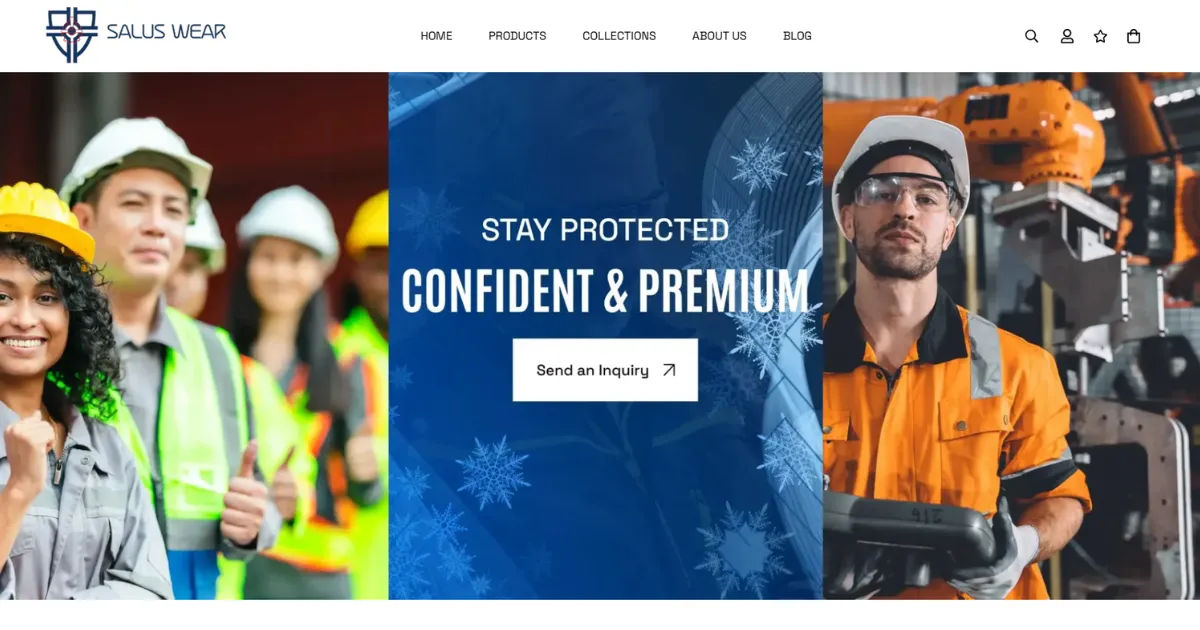
Unlike regular clothing, flame-resistant coveralls are made from specially selected fabrics that are designed to resist ignition and limit the spread of flames. They are commonly worn by professionals working in oil and gas, electrical, welding, manufacturing, chemical processing, construction, and other industries where fire-related hazards may exist.
The main purpose of flame resistant coveralls for men is to provide an additional layer of protection when a worker is exposed to sudden heat, flames, sparks, or thermal hazards. They do not make a worker completely fireproof, but they can help reduce the severity of an injury during a dangerous event.
What Are Flame Resistant Coveralls?
Flame-resistant coveralls are one-piece protective garments designed to resist catching fire and to help prevent flames from continuing to burn through the fabric. They generally cover the torso, arms, and legs, leaving only the head, hands, and feet to be protected with other appropriate equipment.
The fabric may be inherently flame resistant or treated with flame-resistant chemicals. Inherently flame-resistant materials have protective properties built into the fibers, while treated fabrics receive a chemical treatment intended to provide resistance to ignition and flame spread.
A major advantage of coveralls is their continuous design. Instead of having a separate shirt and trousers, workers wear one garment that covers the upper and lower body. This can reduce exposed areas between separate pieces of clothing.
What Are Flame Resistant Coveralls for Men Used For?
flame resistant coveralls for men are primarily used in occupations where workers may encounter fire, flash fires, molten substances, electrical hazards, or intense heat.
Their specific uses depend on the workplace and the hazards identified by the employer. Some common applications include the following.
Oil and Gas Industry
Oil and gas operations can involve highly flammable liquids, gases, and vapors. Workers may operate around drilling equipment, pipelines, refineries, storage facilities, and processing systems.
A sudden release of combustible material can create a flash fire. Flame-resistant clothing can help provide valuable protection during such an incident by resisting ignition and reducing continued burning of the garment.
Welding and Metal Fabrication
Welders regularly work with high temperatures, sparks, and hot metal. Ordinary synthetic clothing can present additional risks because some materials may melt or ignite when exposed to high heat.
Protective coveralls made for welding environments can help protect the worker's body from sparks and brief exposure to heat. Depending on the task, additional protection such as welding jackets, gloves, aprons, face shields, and safety footwear may also be required.
Electrical Work
Electrical workers may face the risk of an arc flash, which can release an intense burst of heat and energy. This type of incident can cause severe burns and damage clothing very quickly.
Properly rated flame-resistant garments are often part of an electrical worker's personal protective equipment. The correct garment must be selected according to the electrical hazard and applicable safety requirements rather than simply choosing any garment labeled flame resistant.
Chemical Processing
Chemical plants may handle combustible chemicals, solvents, fuels, and other hazardous substances. Workers can potentially encounter both chemical and fire hazards.
In these environments, protective clothing must be selected carefully. Flame resistance alone may not provide protection against chemical exposure. Workers may require garments with additional chemical-resistant properties depending on the substances involved.
Construction and Maintenance
Construction and industrial maintenance workers may encounter welding operations, cutting tools, sparks, hot equipment, and temporary fuel sources.
flame resistant coveralls for men can provide convenient protection for workers who need durable clothing while performing tasks around these hazards. However, the coveralls should always be appropriate for the specific job rather than being treated as universal protection.
How Do Flame Resistant Coveralls Work?
The protective performance of flame-resistant clothing depends largely on its fabric and construction.
When exposed to a flame, suitable flame-resistant fabric is designed to resist ignition or limit flame spread. Some materials can form a protective char when exposed to intense heat. This char can create a barrier that slows further damage to the fabric.
The goal is not to allow someone to work directly in flames. Instead, the garment is designed to provide protection during short-duration or accidental exposure.
This distinction is important. Flame-resistant clothing can improve protection, but it cannot eliminate the danger of fire, explosions, or extreme heat.
Key Features to Look For
Not every protective coverall is suitable for every workplace. Several features should be considered before selecting a garment.
Flame-Resistant Fabric
The most important feature is the fabric's protective performance. Look for clothing that has been tested and certified according to standards relevant to the intended workplace.
Different jobs have different requirements, so employers should identify workplace hazards before selecting garments.
Durable Construction
Industrial workwear needs to withstand frequent movement, abrasion, washing, and general workplace use. Reinforced seams and durable stitching can improve the garment's service life.
Secure Closures
Quality coveralls commonly feature strong zippers, snaps, or other closures designed to keep the garment properly positioned during work.
Closures should not create unnecessary openings that expose the worker to hazards.
Multiple Pockets
Workers often need to carry small tools, identification cards, or other job-related items. Properly designed pockets can make coveralls more practical.
However, pockets should not interfere with movement or create additional hazards.
Comfortable Fit
Protective clothing should fit correctly. Clothing that is too tight can restrict movement, while clothing that is excessively loose may become caught in machinery.
Comfort is also important because workers are more likely to wear protective clothing correctly when it allows them to perform their duties without unnecessary discomfort.
Are Flame Resistant Coveralls the Same as Fireproof Clothing?
The terms are sometimes used interchangeably, but they do not mean exactly the same thing.
Flame-resistant clothing is designed to resist ignition and limit flame spread under specified conditions. It is not completely immune to fire.
The term "fireproof" can create a misleading impression that clothing can protect a person indefinitely against extreme temperatures or direct flames. No ordinary protective coverall should be considered unlimited protection.
Understanding this difference helps workers use protective garments realistically and safely.
Benefits of Wearing Protective Coveralls
One major benefit is body coverage. A single garment can protect the torso, arms, and legs while reducing gaps between separate clothing items.
Another advantage is convenience. Workers do not have to coordinate a separate protective shirt and trousers when a coverall is appropriate for their task.
flame resistant coveralls for men can also provide durability in demanding work environments. Many designs are made for repeated industrial use and may include features such as reinforced seams, adjustable cuffs, tool pockets, and high-visibility elements.
Some garments are designed for hot working environments and may provide a balance between protection and breathability. Choosing the right design is particularly important for workers who spend long periods outdoors or in high-temperature facilities.
How Should Flame Resistant Coveralls Fit?
A protective coverall should provide enough room for normal movement without becoming excessively loose.
Workers should be able to bend, walk, climb, sit, and perform their normal duties comfortably. Sleeves should provide appropriate coverage, and trouser legs should not be so long that they create a tripping hazard.
The garment should be worn according to the manufacturer's instructions. Rolling up sleeves or leaving protective closures open can reduce the intended level of protection.
Workers should also avoid modifying protective clothing unless the manufacturer or safety professional confirms that the modification is acceptable.
How Should They Be Maintained?
Proper care is essential for protective workwear.
Always follow the manufacturer's washing and maintenance instructions. Using the wrong cleaning method can potentially affect fabric performance or shorten the garment's useful life.
Workers should inspect coveralls regularly for holes, excessive wear, damaged closures, contamination, or other defects.
If a garment has been seriously damaged or contaminated, it may need to be removed from service. Employers should have procedures for inspecting, cleaning, repairing, replacing, and storing protective clothing.
Common Mistakes to Avoid
One common mistake is assuming that any flame-resistant garment is suitable for every job. Different hazards require different levels and types of protection.
Another mistake is wearing damaged clothing. Even high-quality protective garments cannot perform as intended when they are badly torn or improperly maintained.
Some workers also wear ordinary clothing underneath protective coveralls without considering the fabric. Workplace safety policies should specify suitable base layers and undergarments.
Another issue is failing to wear other required protective equipment. Coveralls may protect large areas of the body, but they do not replace helmets, gloves, eye protection, respiratory equipment, hearing protection, or safety footwear when those items are required.
How to Choose the Right Coveralls
Start by identifying the hazards present in the workplace. Consider whether the primary risks involve flash fire, electrical arc exposure, welding sparks, heat, chemicals, or another hazard.
Next, check the garment's certifications and performance ratings. These details can help determine whether the product is suitable for the intended application.
Consider the climate and working conditions as well. A worker in a hot outdoor environment may need a different fabric weight and design from someone working inside a controlled industrial facility.
Sizing should also be taken seriously. Workers should consult the manufacturer's sizing information instead of selecting a size based only on their usual everyday clothing.
Finally, consider durability, comfort, laundering requirements, visibility, pockets, closures, and other features that affect daily use.
Industries That Commonly Use Flame-Resistant Coveralls
Many industries use flame-resistant workwear as part of their broader safety programs.
These include oil and gas production, petrochemical processing, electrical utilities, welding, metal fabrication, manufacturing, industrial maintenance, construction, transportation, and certain emergency or utility operations.
In some industries, protective clothing is required by workplace regulations or company safety policies. In others, it may be recommended based on a formal hazard assessment.
Employers should never select protective clothing based solely on appearance or price. The garment must match the actual risks employees face.
Can Flame-Resistant Coveralls Prevent Burns?
They can reduce certain risks, but they cannot guarantee that burns will not occur.
The effectiveness of protective clothing depends on factors such as the intensity and duration of exposure, garment design, fabric performance, correct fit, and whether the worker is wearing the rest of the required PPE.
For example, a short accidental flash exposure is very different from prolonged direct exposure to fire. Protective clothing is designed and tested under specific conditions, so workers should understand its limitations.
The best approach is to combine appropriate clothing with safe work procedures, training, engineering controls, emergency planning, and other protective equipment.
Why Proper Training Matters
Even the best flame resistant coveralls for men cannot replace proper safety training.
Workers should understand the hazards associated with their jobs and know when and how protective clothing must be worn.
Training should also cover inspection, cleaning, storage, replacement, and emergency procedures. Employees should know how to report damaged protective equipment and where to obtain replacements.
Supervisors should make sure protective clothing is being used correctly and that workplace safety procedures are followed consistently.
Flame Resistance and Worker Safety
Protective clothing is one part of a larger workplace safety system. Employers should first attempt to eliminate or control hazards through engineering and administrative measures whenever possible.
Personal protective equipment is used when hazards remain after other controls have been implemented.
This approach is important because protective clothing should not be considered the first or only line of defense. Safe equipment design, proper ventilation, fire prevention systems, training, inspections, and emergency response plans all contribute to reducing workplace injuries.
Conclusion
flame resistant coveralls for men are designed for workers who may encounter fire, sparks, electrical arc hazards, heat, or other thermal risks during their jobs. They are especially useful in industries such as oil and gas, welding, electrical services, manufacturing, construction, chemical processing, and industrial maintenance.
Their greatest value comes from their ability to resist ignition and limit flame spread during certain hazardous exposures. However, they should never be considered completely fireproof or treated as a substitute for proper safety procedures.
Selecting the right garment requires understanding the workplace hazard, checking applicable safety standards, choosing the correct size, and following the manufacturer's care instructions. Regular inspection is equally important because damaged or improperly maintained protective clothing may not provide the expected level of protection.
Ultimately, effective workplace protection comes from combining suitable clothing with training, hazard controls, safe working practices, and appropriate personal protective equipment. When correctly selected and properly used, flame-resistant coveralls can be an important part of a worker's overall safety system and provide valuable protection in demanding environments.