

A leather jacket is often judged by the quality of its leather, stitching, and overall construction, but the zipper deserves just as much attention. A strong zipper can determine how long a jacket remains practical and comfortable. This is especially important in premium garments such as Pelle Pelle leather jackets, where hardware is expected to complement high-quality leather and withstand regular use.
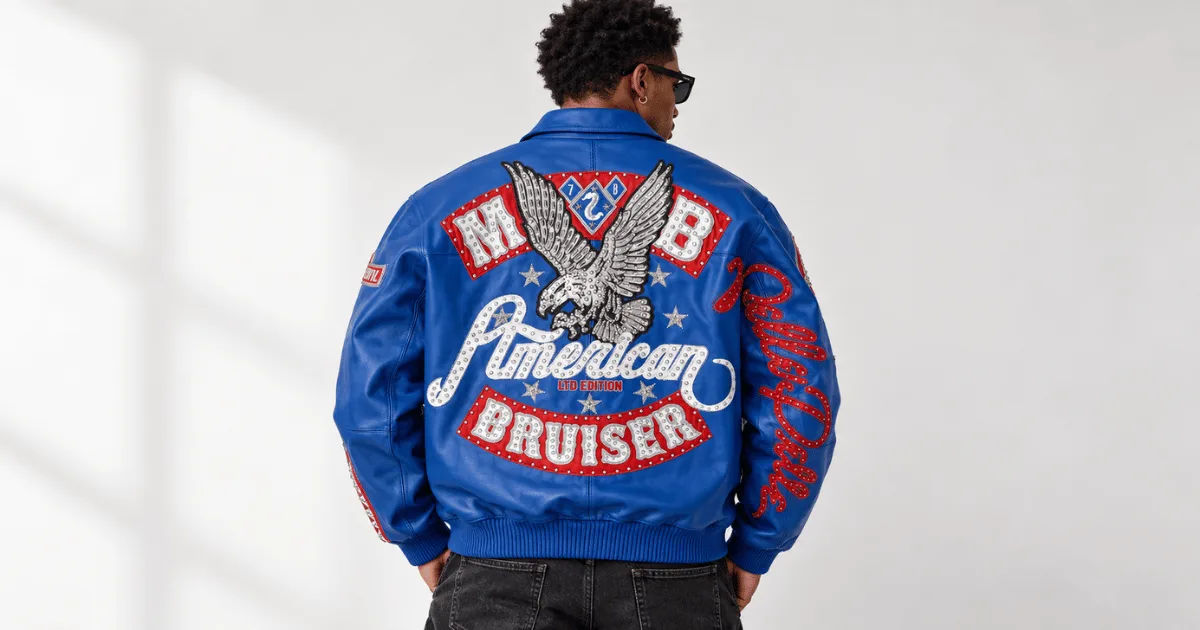
A zipper may look like a small part of a jacket, but it performs an important job every time the garment is opened or closed. It experiences pulling, bending, friction, moisture, and repeated movement. If its components are poorly made, the zipper can become difficult to operate or eventually fail.
Understanding what makes a zipper durable helps shoppers recognize quality before buying a leather jacket. It also makes it easier to care for the zipper properly and avoid problems that could shorten its useful life.
Why Zipper Quality Matters On Leather Jackets
Leather jackets are usually designed to last for years. Unlike lightweight fashion garments, they are often made from thick materials that can withstand regular wear. However, a weak zipper can become the first major problem even when the leather itself remains in excellent condition.
The zipper is used frequently. Every time you put on the jacket, remove it, adjust the opening, or protect yourself from cold weather, the zipper is subjected to mechanical stress.
A durable zipper needs to work smoothly without separating, catching, bending, or losing its teeth. The zipper pull should also remain firmly attached to the slider.
On a well-made jacket, the zipper should feel like an integrated part of the garment rather than a cheap accessory added afterward. Premium brands such as Pelle Pelle typically place attention on hardware because small construction details can have a significant effect on the overall wearing experience.
The Main Components Of A Durable Zipper
A zipper contains several individual parts. The durability of the entire system depends on how well these components work together.
Zipper Teeth
The teeth are among the most important parts of a zipper. They interlock when the slider moves upward or downward, creating a secure closure.
Metal teeth are commonly preferred for heavy leather jackets because they can provide strength and resistance to repeated use. The exact material and manufacturing quality matter, however. Simply having metal teeth does not automatically guarantee a high-quality zipper.
The teeth should be evenly aligned and firmly attached to the zipper tape. If they become bent or poorly positioned, the slider may catch or the zipper may separate.
Slider
The slider moves along the teeth and brings them together or separates them. A strong slider should move consistently without requiring excessive force.
A poorly manufactured slider may become loose over time. It can also fail to engage the teeth correctly, causing the zipper to open unexpectedly.
Quality leather jackets use sliders that are appropriately sized for the weight and construction of the garment. A heavier jacket generally benefits from a zipper system designed to handle greater mechanical stress.
Zipper Pull
The pull is the part you hold when opening or closing the jacket. Because it is handled directly, it experiences considerable stress.
A durable pull should be securely connected to the slider and comfortable enough to grip. A sturdy metal pull can be particularly useful on jackets intended for frequent use.
On designs from brands such as Pelle Pelle, zipper pulls may also contribute to the visual character of the jacket. Decorative hardware can add style, but it should still perform its basic function reliably.
Zipper Tape
The zipper tape connects the zipper teeth to the jacket. It is often overlooked because it is less noticeable than the metal components.
Strong tape helps keep the zipper properly positioned. It should resist tearing and excessive stretching, especially where the zipper is sewn into thick leather.
The stitching connecting the zipper to the jacket is equally important. Even a high-quality zipper can fail if it is attached with weak or inconsistent stitching.
Material Selection Makes A Difference
The materials used to manufacture zipper components have a direct effect on their durability.
Metal Zippers
Metal zippers are popular on leather jackets because they can provide a substantial feel and good resistance to everyday use. They can also complement the appearance of leather.
Brass, aluminum, and other metal alloys may be used depending on the design and manufacturer. The finish can range from polished to matte or antique-looking.
Metal zippers can eventually develop scratches or changes in finish. This does not necessarily mean that the zipper is failing. In many cases, these signs simply reflect normal use and can contribute to the worn-in character of a leather jacket.
Strong Synthetic Components
Some zipper systems use synthetic materials for parts such as the tape or teeth. High-quality synthetic components can offer flexibility, resistance to moisture, and smooth operation.
The important consideration is not simply whether a zipper is metal or synthetic. Manufacturing quality, appropriate sizing, attachment, and design all influence performance.
The Importance Of Proper Zipper Sizing
A zipper needs to match the weight and construction of the leather jacket.
A thin zipper on a very heavy leather garment may experience excessive stress. Each time the jacket is closed, the zipper must hold together sections of substantial material.
Conversely, an unnecessarily large zipper may make the jacket uncomfortable or interfere with its design.
Manufacturers need to select a zipper that fits the garment's purpose. A motorcycle-style jacket, winter jacket, or heavy fashion jacket may require different zipper specifications.
High-quality products such as Pelle Pelle jackets are designed with the relationship between the leather, stitching, lining, and hardware in mind. This helps create a balanced construction rather than treating the zipper as an isolated component.
Stitching And Attachment Affect Zipper Durability
Even an excellent zipper can fail when it is poorly attached.
The zipper must be sewn securely into the leather and surrounding fabric. Stitching should remain consistent along the zipper's length, with enough reinforcement around areas that receive greater stress.
The top and bottom portions of the zipper can experience considerable pulling force. Proper reinforcement helps prevent the zipper tape from separating from the jacket.
Leather also behaves differently from ordinary fabric. It is thicker and does not always recover from punctures in the same way as woven materials. For that reason, zipper installation needs to be performed carefully.
A carefully installed zipper can last much longer than one attached with rushed or inadequate stitching.
How Leather Quality Supports Zipper Performance
The zipper and leather work together. If the leather around the zipper is excessively weak, stretched, or damaged, the zipper can experience additional stress.
Good leather provides a stable foundation around the zipper area. It helps the jacket maintain its shape while the zipper is being operated.
This is one reason premium leather jackets can provide a better overall experience. A brand such as Pelle Pelle is known for combining leather construction with distinctive hardware and detailed design, making the interaction between these elements important to the finished garment.
The leather does not make the zipper stronger by itself, but the quality and construction of the surrounding material can reduce unnecessary strain on the zipper.
Manufacturing Precision Is Essential
Durability is not determined by materials alone. Manufacturing precision plays a major role.
The zipper teeth must be positioned correctly. The slider needs to fit those teeth accurately. The zipper tape must be attached securely, and the entire assembly must be installed in a straight line.
Small manufacturing errors can create problems that become noticeable after repeated use.
For example, if one section of the zipper is slightly misaligned, the slider may repeatedly encounter resistance at the same point. Over time, this can damage the teeth or slider.
Consistent manufacturing helps prevent these problems before the jacket reaches the customer.
Why Smooth Operation Is A Sign Of Quality
A durable zipper should generally operate smoothly.
That does not mean it must feel completely frictionless. Leather jackets often use substantial hardware, so some resistance can be normal. However, the slider should not repeatedly snag or require excessive force.
A zipper that operates smoothly places less stress on its teeth, slider, tape, and stitching.
When trying on a jacket, it is useful to open and close the zipper several times. This can reveal problems that are not visible when the jacket is simply hanging on a rack.
For a jacket such as Pelle Pelle, smooth zipper movement should complement the overall quality of the garment rather than feel like a weak point.
Zipper Finishes And Corrosion Resistance
Leather jackets are often worn in different weather conditions. Rain, humidity, sweat, and environmental moisture can affect metal hardware.
A quality finish can help protect zipper components from corrosion and premature deterioration.
However, no zipper is completely immune to environmental damage. Regular exposure to moisture without proper care can eventually affect metal surfaces.
After a jacket becomes wet, allowing it to dry naturally in a well-ventilated area can help protect both the leather and hardware. Direct high heat should generally be avoided because it can damage leather and affect its condition.
Proper Zipper Care Can Extend Its Life
Even the strongest zipper can be damaged through careless use.
The most important habit is simple: do not force a zipper when it becomes stuck.
If the zipper catches on the lining or another piece of material, stop pulling. Gently free the trapped material first. Continuing to force the slider can bend the teeth or damage the slider.
It is also helpful to keep the zipper area reasonably clean. Dirt and debris can interfere with smooth movement.
Avoid pulling aggressively on the zipper handle. Use steady pressure and allow the slider to follow the teeth naturally.
These habits are especially useful for premium leather garments, including Pelle Pelle jackets, where preserving the original hardware can help maintain both appearance and function.
The Role Of Lining In Zipper Performance
The inner lining can affect how a zipper operates.
If the lining is loose or poorly positioned, it may become trapped in the slider. This can create repeated friction and potentially damage the lining or zipper.
A well-constructed jacket keeps the lining away from the zipper's moving mechanism while still allowing comfortable movement.
This is another example of why jacket quality should be judged as a complete construction rather than by looking at the zipper alone.
Common Causes Of Zipper Failure
Several problems can shorten the life of a leather jacket zipper.
Excessive Force
Pulling too hard is one of the easiest ways to damage a zipper. If the teeth are not aligned, additional force can bend them or damage the slider.
Misalignment
Trying to close a zipper while the two sides are not properly positioned can put unnecessary pressure on the teeth.
Dirt And Debris
Dust, lint, and other particles can interfere with the slider's movement. Keeping the zipper reasonably clean helps reduce this problem.
Damaged Teeth
Bent or missing teeth can prevent the slider from functioning correctly. Continuing to use a zipper with damaged teeth can make the problem worse.
Weak Stitching
If the zipper begins pulling away from the leather, the problem may be with the stitching rather than the zipper itself.
How To Choose A Leather Jacket With A Durable Zipper
When shopping for a leather jacket, inspect the zipper before making a purchase.
Move the zipper slowly from top to bottom. Notice whether the slider catches at any point. Look at the teeth and check whether they appear evenly aligned.
Examine the area where the zipper is sewn into the jacket. The stitching should look neat and secure.
Pay attention to the zipper pull as well. It should not feel excessively loose or flimsy.
You can also consider the overall construction of the garment. Strong leather, quality lining, consistent stitching, and substantial hardware usually indicate that the manufacturer has paid attention to durability.
With established leatherwear brands such as Pelle Pelle, examining these details can help buyers understand how the jacket's hardware contributes to its overall construction.
Can A Damaged Zipper Be Repaired?
Yes, many zipper problems can be repaired.
A tailor or leather repair specialist may be able to replace a damaged slider, repair stitching, or replace the entire zipper assembly depending on the problem.
Minor issues should be addressed early. A small stitching problem can become more serious if the zipper continues to pull against a weakened area.
Replacing an entire zipper can be more involved with a leather jacket because the repair needs to preserve the leather and maintain the original appearance.
For expensive garments, professional repair is often preferable to attempting complicated zipper work at home.
Why Durable Zippers Add Value To Leather Jackets
A leather jacket is an investment for many buyers. Its value comes not only from its appearance but also from how well it performs over time.
A durable zipper allows the wearer to use the jacket regularly without constantly worrying about hardware failure.
It also contributes to comfort. A zipper that opens and closes easily makes the jacket more convenient, particularly when the wearer needs to adjust ventilation or quickly put the jacket on or remove it.
The combination of durable leather, reliable hardware, strong stitching, and thoughtful construction is what makes a jacket dependable. This is why details such as the zipper should not be ignored when evaluating a premium garment such as Pelle Pelle.
Conclusion
The durability of zippers on leather jackets comes from several factors working together. Strong materials, well-designed teeth, a reliable slider, secure stitching, suitable sizing, and careful manufacturing all contribute to long-term performance.
Metal hardware can provide strength and a substantial appearance, but material alone does not guarantee durability. The zipper must be correctly matched to the jacket and securely attached to the leather.
Proper use is equally important. Avoid forcing a stuck zipper, keep the mechanism reasonably clean, protect the jacket from unnecessary moisture, and address small problems before they become major failures.
When choosing a leather jacket, take time to inspect the zipper just as carefully as the leather. A high-quality zipper should feel secure, operate smoothly, and remain firmly attached to the garment. When these qualities are combined with good leather and careful construction, the result is a jacket designed for years of use.
Ultimately, durable hardware is one of the details that separates a well-made leather jacket from an ordinary one. Whether you are considering Pelle Pelle or another established leatherwear brand, paying attention to zipper construction can help you make a more informed purchase and get greater value from your jacket over time.