

When searching for the Best Perfumes, many people focus on the fragrance notes, bottle design, or brand reputation. However, one of the most important factors that determines how long a fragrance stays on your skin is its concentration. Understanding perfume concentrations helps you choose a fragrance that lasts throughout the day and offers better value for your money.
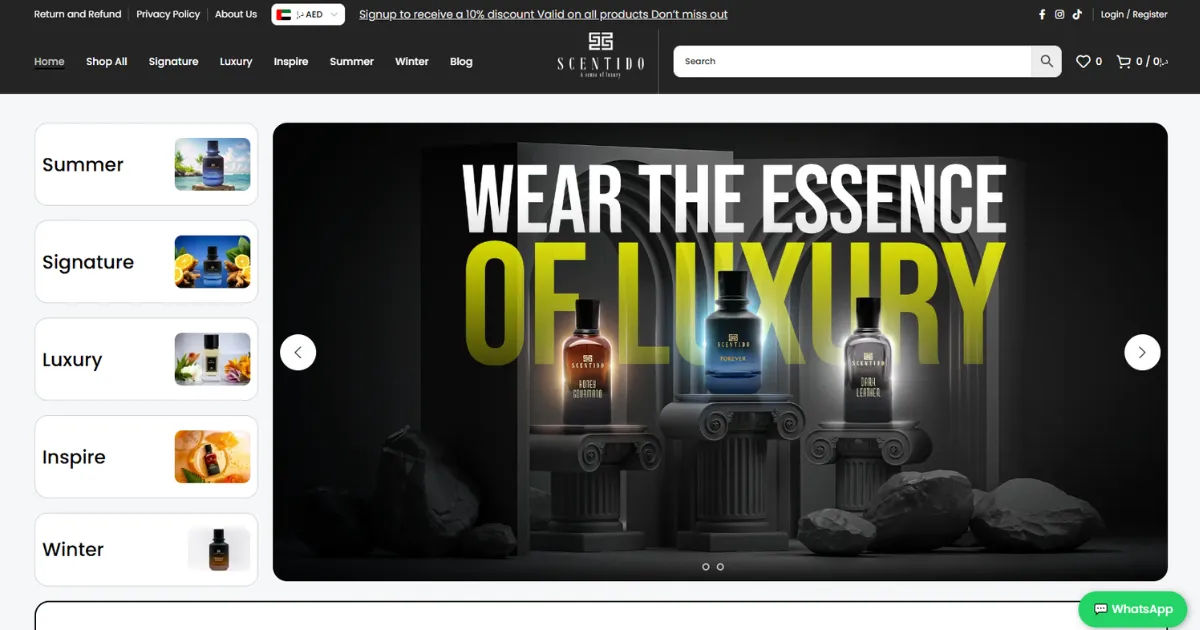
Whether you are buying luxury fragrances or affordable options, knowing the difference between each concentration will help you select the Best Perfumes for your lifestyle.
In this comprehensive guide, you will learn what perfume concentration means, the different fragrance categories, which one lasts the longest, and how you can make any fragrance perform better. By the end, you'll know exactly which concentration matches your needs and preferences.
What Is Perfume Concentration?
Perfume concentration refers to the percentage of aromatic oils mixed with alcohol and water in a fragrance. The higher the percentage of fragrance oils, the stronger and longer-lasting the scent usually becomes.
Fragrance oils are responsible for the smell you notice when wearing a perfume. Alcohol acts as a carrier that helps the fragrance evaporate gradually. The balance between these ingredients determines the intensity, longevity, and projection of a perfume.
When choosing the Best Perfumes, concentration often matters more than the price tag.
Why Perfume Concentration Matters
Many people believe that expensive perfumes automatically last longer. While quality ingredients certainly help, concentration has a much greater impact on performance.
A higher concentration generally provides:
-
Longer wear time
-
Richer scent
-
Better depth
-
Slower evaporation
-
Less frequent reapplication
This is why understanding concentrations can help you make smarter purchasing decisions.
Types of Perfume Concentrations
There are several fragrance concentrations available on the market. Each one offers different longevity and intensity.
Parfum (Extrait de Parfum)
Parfum, also known as Extrait de Parfum, contains the highest concentration of fragrance oils.
Typical concentration ranges between 20% and 40%.
Average longevity:
-
8 to 12 hours
-
Sometimes even 24 hours depending on the ingredients
Parfum is considered the most luxurious fragrance type because it contains the greatest amount of perfume oils and the least alcohol.
Advantages include:
-
Exceptional longevity
-
Smooth scent development
-
Ideal for sensitive skin because of lower alcohol content
-
Requires only a small amount
The only downside is that parfum is often more expensive than other concentrations.
For people looking for the Best Perfumes with outstanding performance, parfum is usually the top choice.
Eau de Parfum (EDP)
Eau de Parfum is one of the most popular fragrance concentrations worldwide.
It generally contains between 15% and 20% fragrance oils.
Average longevity:
-
6 to 8 hours
This concentration provides an excellent balance between price, strength, and versatility.
Benefits include:
-
Strong but not overwhelming
-
Suitable for daily wear
-
Long-lasting enough for work and evening events
-
Widely available
Many designer fragrances are released as Eau de Parfum because it appeals to the widest range of users.
Eau de Toilette (EDT)
Eau de Toilette contains around 5% to 15% fragrance oils.
Average longevity:
-
3 to 5 hours
This concentration feels lighter and fresher.
Advantages include:
-
Perfect for daytime use
-
Great during hot weather
-
More affordable
-
Refreshing scent profile
Many fresh citrus and aquatic fragrances are sold as Eau de Toilette.
Eau de Cologne (EDC)
Eau de Cologne contains approximately 2% to 5% fragrance oils.
Average longevity:
-
2 to 3 hours
Cologne is designed to provide a quick burst of freshness rather than long-lasting performance.
It works well for:
-
Casual outings
-
Summer weather
-
Quick refreshes
Eau Fraiche
Eau Fraiche has the lowest fragrance concentration.
Typically contains only 1% to 3% fragrance oils.
Average longevity:
-
1 to 2 hours
It contains more water than alcohol, making it very light and refreshing.
Which Perfume Concentration Lasts the Longest?
The simple answer is:
Parfum (Extrait de Parfum) lasts the longest.
Its high concentration of fragrance oils allows the scent to evaporate much more slowly.
Typical longevity comparison:
-
Parfum: 8–12+ hours
-
Eau de Parfum: 6–8 hours
-
Eau de Toilette: 3–5 hours
-
Eau de Cologne: 2–3 hours
-
Eau Fraiche: 1–2 hours
If long-lasting wear is your highest priority, parfum is the best choice.
Does Higher Concentration Always Mean Better?
Not necessarily.
Although parfum lasts the longest, it may not always be the right option.
Some people prefer lighter fragrances because they:
-
Feel fresher
-
Work better in hot climates
-
Are less intense in offices
-
Can be reapplied throughout the day
The Best Perfumes are those that suit your lifestyle rather than simply having the highest concentration.
How Fragrance Notes Affect Longevity
Perfume concentration is only one part of longevity.
The ingredients themselves also matter.
Top Notes
These are the first scents you notice.
Examples include:
-
Lemon
-
Bergamot
-
Orange
-
Grapefruit
Top notes disappear quickly.
Heart Notes
These appear after the top notes fade.
Common examples:
-
Rose
-
Jasmine
-
Lavender
-
Cinnamon
Heart notes typically last several hours.
Base Notes
These create the lasting impression.
Popular base notes include:
-
Vanilla
-
Amber
-
Sandalwood
-
Patchouli
-
Musk
-
Oud
Perfumes with strong base notes often last much longer.
Skin Type and Perfume Longevity
Your skin chemistry also affects fragrance performance.
Oily Skin
Perfumes generally last longer on oily skin because natural oils help retain fragrance molecules.
Dry Skin
Dry skin tends to absorb fragrance faster, causing quicker evaporation.
Using fragrance-free moisturizer before applying perfume can improve longevity.
Weather and Climate
Environmental conditions influence how long fragrances remain noticeable.
Hot Weather
Heat increases evaporation.
Fresh fragrances may disappear more quickly.
Cold Weather
Cool temperatures slow evaporation.
Heavy fragrances often perform exceptionally well during winter.
Where Should You Apply Perfume?
Proper application significantly affects longevity.
Apply perfume to pulse points such as:
-
Wrists
-
Neck
-
Behind ears
-
Inside elbows
-
Behind knees
These warm areas help release fragrance gradually.
Should You Rub Perfume?
No.
Many people rub their wrists together after spraying perfume.
This creates friction that can alter the fragrance's opening and slightly reduce its performance.
Instead, allow the perfume to dry naturally.
How to Make Perfume Last Longer
Even lighter fragrances can last longer with proper application.
Moisturize First
Hydrated skin holds fragrance better.
Spray on Pulse Points
Body heat enhances fragrance projection.
Apply After Showering
Freshly cleaned skin helps perfume adhere more effectively.
Layer Matching Products
Using matching shower gel, lotion, and perfume creates longer-lasting scent.
Store Perfume Properly
Keep bottles away from:
-
Direct sunlight
-
Humidity
-
Heat
Proper storage preserves fragrance quality for years.
Is Expensive Perfume Always Longer Lasting?
Not always.
Some affordable parfum fragrances outperform expensive Eau de Toilette products.
Quality ingredients, concentration, formulation, and storage all influence performance.
Instead of focusing only on price, compare concentration and reviews.
Choosing the Right Concentration
Different situations call for different fragrance strengths.
Daily Office Wear
Eau de Parfum offers an ideal balance.
School or College
Eau de Toilette provides a lighter, more appropriate scent.
Evening Events
Parfum delivers elegance and impressive longevity.
Summer Vacations
Fresh Eau de Toilette or Eau Fraiche works well.
Winter Season
Parfum and Eau de Parfum perform beautifully in colder temperatures.
Common Myths About Perfume Longevity
Myth 1: More Sprays Mean Longer Wear
Applying excessive perfume rarely increases longevity.
It simply creates a stronger opening.
Myth 2: Designer Perfumes Always Last Longer
Many niche and independent brands produce fragrances with outstanding longevity.
Myth 3: Dark Bottles Mean Stronger Perfume
Bottle color has no connection to concentration.
Myth 4: Alcohol Makes Perfume Last Longer
Alcohol helps distribute fragrance but evaporates quickly.
Fragrance oils determine most of the longevity.
Signs of a High-Quality Long-Lasting Perfume
Look for fragrances that offer:
-
High fragrance oil concentration
-
Balanced scent progression
-
Strong base notes
-
Positive longevity reviews
-
Reputable manufacturing standards
Many of the Best Perfumes combine these characteristics instead of relying on a single factor.
Popular Long-Lasting Fragrance Families
Certain fragrance families naturally remain noticeable longer.
These include:
-
Oriental
-
Woody
-
Amber
-
Leather
-
Gourmand
-
Oud
Fresh citrus fragrances usually fade faster because of their lighter molecular structure.
Should Beginners Buy Parfum?
Not necessarily.
Beginners often enjoy Eau de Parfum because it balances longevity with versatility.
Once you understand your fragrance preferences, investing in parfum becomes easier.
Trying sample sizes before purchasing full bottles is also a smart approach.
Tips for Buying the Best Perfumes
When shopping for the Best Perfumes, keep these recommendations in mind:
-
Test perfume on your skin instead of paper strips.
-
Wait several hours before making a decision.
-
Consider your climate.
-
Think about your daily activities.
-
Compare fragrance concentrations.
-
Read customer reviews.
-
Buy from trusted retailers.
-
Store bottles correctly after purchase.
These simple steps help ensure your fragrance performs as expected.
Conclusion
Choosing the right perfume concentration can completely change your fragrance experience. While every concentration has its own purpose, Parfum (Extrait de Parfum) remains the clear winner for longevity because it contains the highest percentage of fragrance oils. Most parfum fragrances comfortably last between eight and twelve hours, with some lasting even longer depending on their ingredients and your skin chemistry.
However, longevity is only one part of selecting a fragrance. Your skin type, the weather, fragrance notes, application method, and personal preferences all contribute to how a perfume performs. Eau de Parfum offers an excellent balance for everyday use, while Eau de Toilette is ideal for warmer weather or those who enjoy lighter scents. Understanding these differences helps you make informed decisions and get the most value from every bottle.
Ultimately, the Best Perfumes are the ones that match your personality, lifestyle, and expectations. By paying attention to fragrance concentration and following proper application techniques, you can enjoy a scent that stays with you throughout the day while leaving a memorable impression wherever you go.