

Art is one of the most powerful ways people express their culture, creativity, and identity. It can communicate stories, traditions, emotions, and beliefs without requiring words. Around the world, different communities have developed unique art forms that reflect their history and lifestyle. One colourful and fascinating example is truck art, which has attracted attention far beyond the countries where it first became popular. 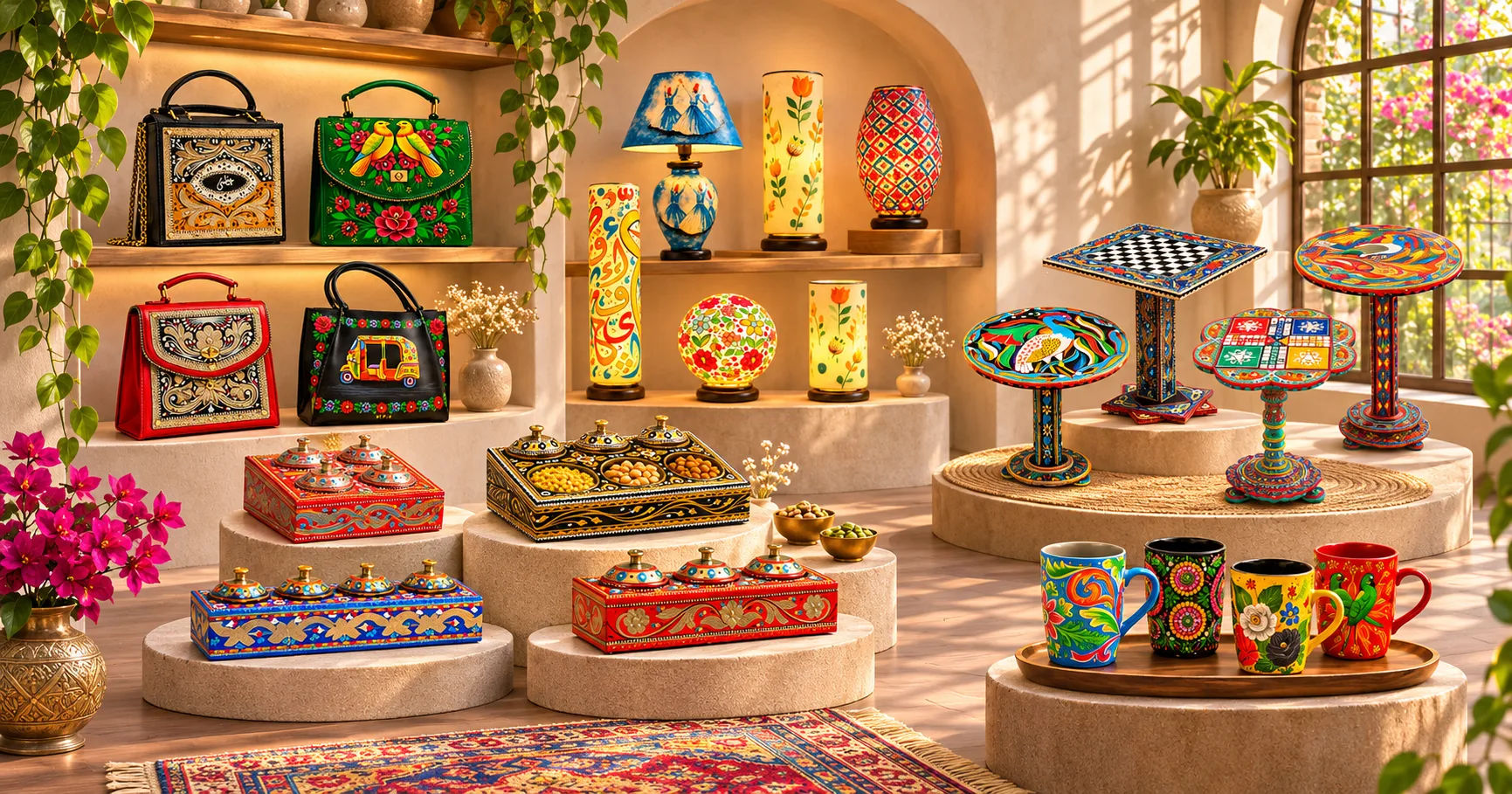 Its bright colours, detailed patterns, creative designs, and cultural meanings make it an interesting subject for art lovers, travellers, photographers, and designers.
The popularity of this artistic tradition is not limited to decorated vehicles. It represents the creativity of skilled painters, the identity of local communities, and the relationship between transportation and cultural expression. In countries such as Pakistan, decorated trucks are an important part of everyday road culture. Their colourful appearance turns ordinary vehicles into moving displays of creativity. Today, this traditional style has inspired international fashion, interior decoration, exhibitions, and commercial products.
Understanding why this art form has become internationally recognised requires looking at its history, visual beauty, cultural importance, and influence on modern design. Its growing popularity demonstrates how traditional creativity can connect people from different backgrounds.
1. The Cultural History Behind Truck Art
The history of decorated truck art is closely connected to the transportation industry in South Asia. As road transportation developed, truck owners and drivers began decorating their vehicles to make them attractive and distinctive.
In Pakistan, this tradition gradually developed into a recognisable visual art form. Different regions introduced their own colours, patterns, symbols, and decorative techniques. Over time, truck decoration became an important part of the country's cultural identity.
Regional Traditions and Artistic Influence
Different areas contribute unique characteristics to the designs. Some vehicles feature colourful flowers, while others display landscapes, animals, birds, and traditional patterns.
These decorations often reflect regional traditions and the personal preferences of truck owners and drivers. Artists use their creativity to transform large vehicle surfaces into colourful compositions.
From Local Roads to International Recognition
Initially, these decorated vehicles were mainly appreciated by local communities. However, photography, television, international exhibitions, and social media introduced their beauty to a much wider audience.
People from different countries became interested in the unusual combination of transportation, craftsmanship, and cultural storytelling.
2. Bright Colours Make It Visually Attractive
One of the biggest reasons for its worldwide popularity is its colourful appearance.
Artists frequently use bright shades of red, blue, green, yellow, orange, pink, and white. These colours create strong visual contrasts that immediately attract attention.
Unlike many modern commercial vehicles, which usually have simple designs, decorated trucks display bold artistic expressions.
Colour Combinations Create Visual Interest
The combination of different colours gives each vehicle a distinctive appearance. Artists carefully arrange colours to make flowers, borders, animals, and other decorative elements stand out.
These combinations can also communicate emotions and cultural meanings. Bright colours often create a feeling of happiness, celebration, and energy.
Every Vehicle Looks Different
Another attractive feature is that no two decorated trucks need to look exactly alike. Artists create individual designs based on the owner's preferences and their own imagination.
This uniqueness makes the vehicles interesting to photographers, designers, and international audiences.
3. It Represents Pakistani Culture and Identity
Cultural identity plays an important role in the international recognition of this artistic tradition.
Pakistan has a rich cultural background influenced by different languages, regions, traditions, and communities. Decorated trucks often bring these elements together through paintings, poetry, symbols, and traditional patterns.
For many people, these vehicles represent more than transportation. They are moving examples of Pakistani creativity and craftsmanship.
Traditional Poetry and Messages
Some truck decorations include poetry, short messages, famous sayings, or humorous expressions.
These written elements make the artwork more meaningful because they communicate ideas and emotions. They may express love, friendship, humour, wisdom, or respect for family.
International visitors often find these messages interesting because they offer a glimpse into local culture.
Religious and Cultural Symbols
Some designs include religious expressions, symbolic imagery, and references to traditional values. These elements reflect the beliefs and preferences of individual owners.
Together, these features help communicate the diversity of Pakistani society.
4. Skilled Artists Make Every Design Special
Another important reason for international popularity is the skill required to create these decorations.
Truck painters often develop their abilities through years of experience. Their work requires patience, creativity, precision, and an understanding of colour combinations.
Decorating a large vehicle is not a simple task. Artists must consider different surfaces, shapes, and angles when planning their designs.
Hand-Painted Details
Many decorations are created manually rather than through completely automated processes.
Artists paint flowers, birds, landscapes, geometric patterns, and other illustrations using specialised techniques.
The amount of detail can be impressive. Even small areas may contain carefully arranged lines, shapes, and colours.
Traditional Skills Passed Between Generations
In many communities, artistic techniques are learned through apprenticeships and family traditions.
Experienced painters teach younger workers how to prepare surfaces, select colours, create patterns, and complete detailed decorations.
This transfer of knowledge helps preserve traditional craftsmanship.
5. Social Media Has Increased Its Global Popularity
Social media has played a major role in introducing this art form to international audiences.
Platforms such as Instagram, Pinterest, YouTube, and Facebook allow photographers, travellers, artists, and cultural organisations to share pictures and videos of decorated vehicles.
A photograph of a colourful truck can reach viewers in different countries within seconds.
Photography Makes the Art Accessible
Not everyone has the opportunity to visit Pakistan or see decorated trucks on local roads.
However, online photographs allow people to appreciate their designs from almost anywhere.
Close-up images also reveal details that might be difficult to notice when watching a moving vehicle.
Travel Content Creates International Interest
Travel bloggers and documentary creators frequently explore local traditions during their journeys.
When they feature decorated vehicles, their audiences learn about the people and artistic communities behind them.
This exposure encourages further interest in Pakistani culture and traditional craftsmanship.
6. It Has Influenced International Fashion and Design
The influence of this artistic style has expanded beyond transportation.
Designers have adapted its colours, patterns, and decorative elements for fashion, accessories, home decoration, and creative commercial products.
This development demonstrates that traditional art can remain relevant in modern industries.
Fashion and Accessories
Some designers incorporate colourful floral patterns and geometric details into clothing, handbags, shoes, jewellery, and other accessories.
These products attract people who appreciate distinctive designs and cultural inspiration.
The combination of traditional patterns and modern fashion creates interesting visual results.
Interior Decoration
Decorative elements inspired by truck designs can also appear in home interiors.
For example, artists may use similar patterns on furniture, mirrors, decorative panels, cushions, and wall paintings.
Such items can introduce colour and cultural character into otherwise simple spaces.
Modern Commercial Products
Businesses may use traditional decorative patterns in packaging, promotional materials, notebooks, and lifestyle products.
This allows the artistic style to reach consumers who may never have seen an actual decorated truck.
7. Every Design Tells a Different Story
One of the most interesting characteristics of this tradition is its storytelling ability.
A decorated vehicle can communicate personal experiences, regional identity, cultural values, and artistic imagination.
Unlike artwork displayed in a gallery, these designs travel through towns, cities, and villages.
Flowers and Natural Landscapes
Flowers, mountains, rivers, trees, and birds are common decorative subjects.
These images reflect the beauty of nature and provide artists with opportunities to experiment with colours and patterns.
Animals and Symbolic Images
Some vehicles feature paintings of horses, lions, peacocks, and other animals.
These images may represent strength, beauty, pride, or personal interests.
Their meanings can vary depending on regional traditions and individual preferences.
Personal Messages
Truck owners sometimes request specific designs or messages that reflect their personalities.
This makes each decorated vehicle a personal creative project rather than simply a standard decoration.
8. It Connects Traditional and Modern Art
Traditional artistic styles can sometimes struggle to attract younger generations when modern design trends become dominant.
However, this colourful tradition demonstrates how older techniques can remain relevant in changing societies.
Artists and designers are finding new ways to combine traditional patterns with contemporary ideas.
Inspiration for Younger Artists
Young designers may study traditional vehicle paintings to understand colour combinations, decorative techniques, and cultural storytelling.
They can then apply these lessons to graphic design, illustration, fashion, and digital artwork.
Digital Adaptation
Modern technology allows artists to recreate traditional patterns in digital formats.
These designs can be used in posters, websites, advertisements, animations, and creative projects.
Digital adaptation helps preserve visual traditions while introducing them to new audiences.
Balancing Tradition and Innovation
Although modern applications are increasing, preserving the original craftsmanship remains important.
Traditional artists should receive recognition for their work, and cultural inspiration should be used respectfully.
9. International Exhibitions Have Introduced It to New Audiences
International exhibitions and cultural events have helped introduce this artistic tradition to people who may not have experienced it before.
Museums, galleries, cultural organisations, and educational institutions sometimes showcase decorated vehicle components, paintings, photographs, and related artwork.
These exhibitions provide opportunities to understand the history and cultural background of the designs.
Cultural Exchange Through Art
Art exhibitions bring people from different countries together.
Visitors can learn about the traditions behind the artwork while comparing them with decorative styles from their own cultures.
This exchange encourages appreciation and respect for different artistic communities.
Recognition of Traditional Artists
Exhibitions also provide opportunities for talented painters to receive recognition beyond their local communities.
Their work can demonstrate that traditional craftsmanship deserves attention alongside modern forms of visual art.
10. It Supports Local Artists and Small Businesses
The popularity of decorated vehicles also creates opportunities for people working in traditional creative industries.
Painters, woodworkers, metalworkers, and other craftspeople may contribute to different parts of the decoration process.
Their combined efforts support a network of specialised skills.
Employment Opportunities
Vehicle owners often hire experienced artists to decorate their trucks.
This creates work for painters and other skilled craftspeople.
The industry can also support businesses that supply paints, decorative materials, mirrors, and accessories.
Opportunities for Small Creative Businesses
Some artisans produce smaller decorative items inspired by traditional vehicle designs.
These products can include paintings, miniature vehicles, keychains, ornaments, and household decorations.
Tourists and international customers may purchase such items as souvenirs or gifts.
Protecting Traditional Skills
Supporting local artists helps keep traditional techniques alive.
When customers appreciate handmade products, craftspeople have more opportunities to continue developing their skills and teaching younger generations.
11. Why International Tourists Find It Fascinating
International travellers often search for experiences that help them understand the culture of a destination.
Decorated vehicles offer something different from ordinary tourist attractions because they are part of everyday life.
They combine visual beauty with local stories, craftsmanship, and cultural expression.
A Unique Travel Experience
Visitors may encounter colourful vehicles while travelling through cities, markets, villages, and highways.
Their appearance often creates memorable photographic opportunities.
For many travellers, seeing these designs provides a deeper understanding of the country's artistic traditions.
An Opportunity to Discover Local Communities
Observing the artwork can encourage visitors to learn about the people who create it.
They may become interested in traditional painters, regional designs, and the history of transportation decoration.
This interest can make cultural travel more educational and meaningful.
12. Environmental and Modern Challenges
Despite its growing popularity, this traditional art form faces several challenges.
Changes in transportation, commercial requirements, vehicle regulations, and modern manufacturing practices can influence how decorations are produced.
Changing Vehicle Designs
Modern trucks may have different shapes and materials from older vehicles.
These changes can affect the techniques artists use when decorating them.
Some owners may also prefer simpler designs because they are easier to maintain.
Cost of Traditional Decoration
Detailed handmade decoration requires time, materials, and skilled labour.
Rising material costs can make traditional designs more expensive for vehicle owners.
This may encourage some people to choose simpler or machine-produced alternatives.
Preserving Authentic Craftsmanship
The growing commercial use of traditional patterns creates an important responsibility.
Designers and businesses should recognise the artists and communities responsible for these techniques.
Supporting authentic craftsmanship helps ensure that cultural traditions are not separated from their original creators.
13. The Future of Truck Art Around the World
The international popularity of this tradition suggests that it will continue influencing creative industries.
Its colourful designs, cultural messages, and handmade details offer inspiration for artists and businesses.
However, its future depends on balancing modern opportunities with cultural preservation.
More International Collaborations
Artists may work with international designers, fashion brands, cultural organisations, and creative businesses.
These partnerships can introduce traditional techniques to new markets.
Educational Opportunities
Art schools and cultural institutions can include traditional vehicle decoration in programmes about visual culture and craftsmanship.
Students can learn about colour theory, pattern design, and the cultural importance of handmade art.
Greater Digital Visibility
Online platforms will likely remain important for sharing photographs, educational videos, and artistic projects.
Digital exposure can help younger audiences discover traditional craftsmanship and encourage interest in its preservation.
14. How People Can Appreciate and Support This Art Form
People do not need to be professional artists or international travellers to appreciate this creative tradition.
There are several meaningful ways to support the people and communities behind it.
-
Learn about its history: Understand the cultural background and regional influences behind the designs.
-
Support local artists: Purchase authentic handmade products when possible.
-
Share responsibly: Give proper recognition to artists when sharing their work online.
-
Visit cultural exhibitions: Explore events that celebrate traditional craftsmanship.
-
Encourage younger generations: Introduce students and young designers to traditional decorative techniques.
-
Respect cultural meanings: Avoid using important symbols without understanding their significance.
These actions can help preserve traditional creativity while encouraging its continued development.
Conclusion
The worldwide popularity of truck art comes from its unique combination of colour, creativity, cultural identity, and traditional craftsmanship. What began as a way to decorate transportation vehicles has developed into an internationally recognised form of artistic expression.
Its bright colours immediately attract attention, while its detailed paintings and decorative patterns reveal the skills of talented artists. More importantly, these designs communicate stories about communities, personal experiences, regional traditions, and cultural values.
Social media, international exhibitions, tourism, fashion, and modern interior design have introduced this artistic style to audiences across the world. Its influence demonstrates that traditional creativity can inspire modern industries without losing its cultural significance.
Pakistan has an especially important place in this artistic tradition. Its decorated trucks are recognised for their distinctive patterns, colourful illustrations, poetry, and impressive handmade details. They represent the dedication of artists who transform ordinary vehicles into moving examples of cultural expression.
However, international recognition should also bring greater appreciation for the people behind the artwork. Supporting local craftspeople, preserving traditional techniques, and encouraging younger artists are important steps towards protecting this cultural heritage.
Ultimately, the popularity of this art form shows that creativity has no geographical boundaries. A painting created on a vehicle in one country can inspire designers, artists, travellers, and art lovers thousands of miles away. Its ability to connect cultures through visual storytelling makes it an important and fascinating part of the global artistic landscape.